
26 Rounded To The Nearest Hundred
Hey there, math adventurer! Ever stumbled upon a number so...awkwardly specific that you just wished you could simplify it? Yeah, me too! Today, we're diving into the wonderful world of rounding, specifically rounding 26 to the nearest hundred. Buckle up; it's easier (and more useful) than you think!
So, 26 to the nearest hundred. What does that even mean? Well, think of it like this: imagine you're standing on a number line. On one side, you've got 0, and on the other side, you've got 100. Where does 26 fit in? And more importantly, which is it closer to?
Why Rounding Matters (and is Actually Fun!)
Okay, before we solve our little rounding riddle, let's talk about why rounding is even a thing. Is it just some weird math exercise designed to torture us? Nope! Rounding is all about simplification. It's about making numbers easier to understand and work with. Think about it: if someone asks you how much you spent on groceries this month, you probably wouldn't say "$347.83." You'd say, "About $350." See? Rounding in action!
Must Read
Rounding helps us make quick estimations, understand trends, and generally make sense of a world overflowing with data. Plus, it's kinda fun! It's like a mini-puzzle every time you encounter a decimal or a large number. You get to decide what's important and what can be, well, rounded away!
The Great 26 Rounding Revelation
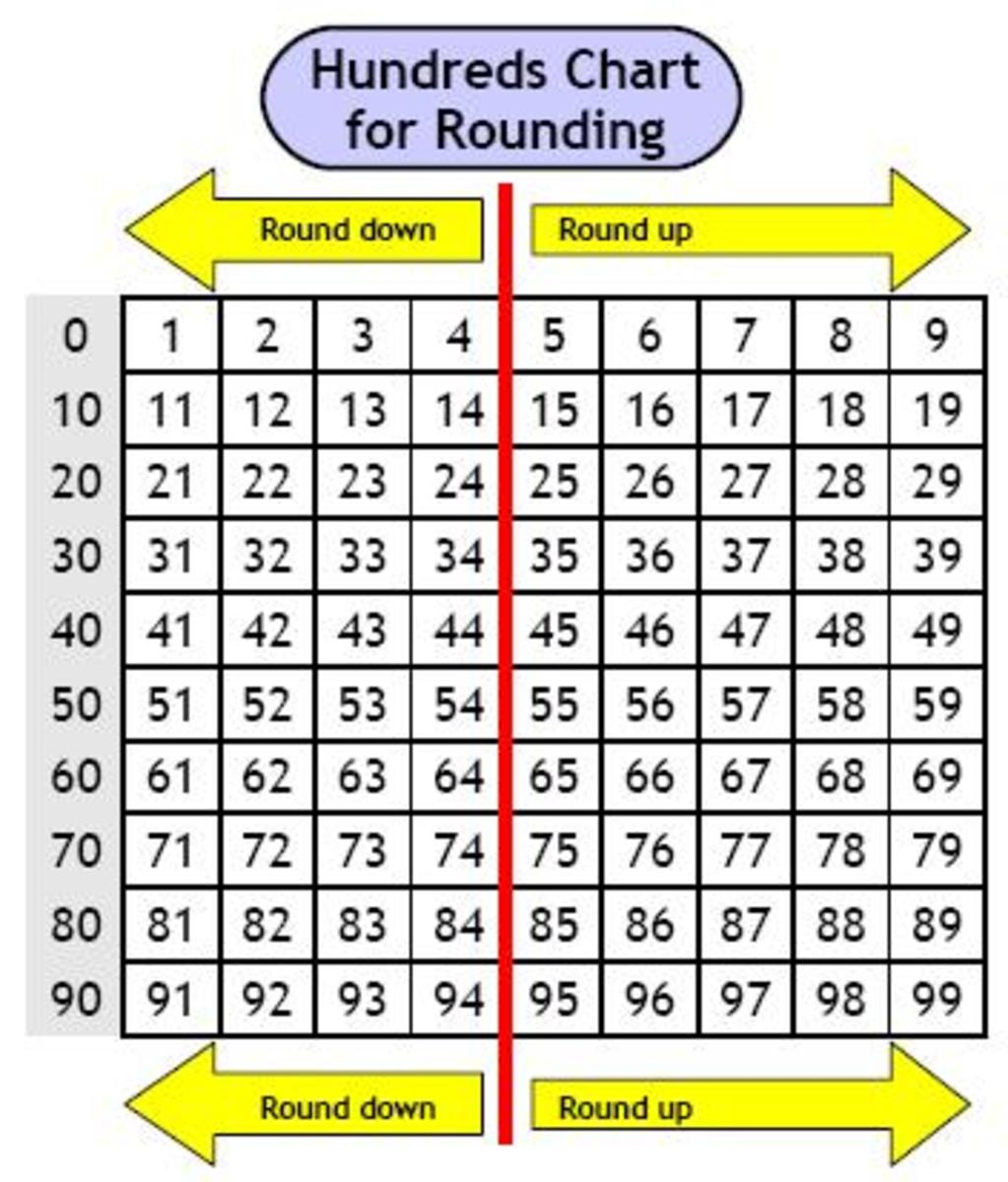
Alright, back to our original question: 26 rounded to the nearest hundred. Remember our number line with 0 and 100? Where does 26 fall? Pretty close to 0, right? In fact, it's much closer to 0 than it is to 100.

Here's the key rule: If the number you're rounding is less than halfway to the next hundred, you round down. If it's halfway or more, you round up. Halfway between 0 and 100 is, of course, 50. Since 26 is less than 50, we round down.
Therefore, 26 rounded to the nearest hundred is...0! Ta-da! 🎉
Now, you might be thinking, "Wait, that's it? All this build-up for zero?" And I get it! But the process is what's important. Understanding why we round and how to do it opens up a whole new world of number sense.

Beyond 26: Rounding Like a Pro
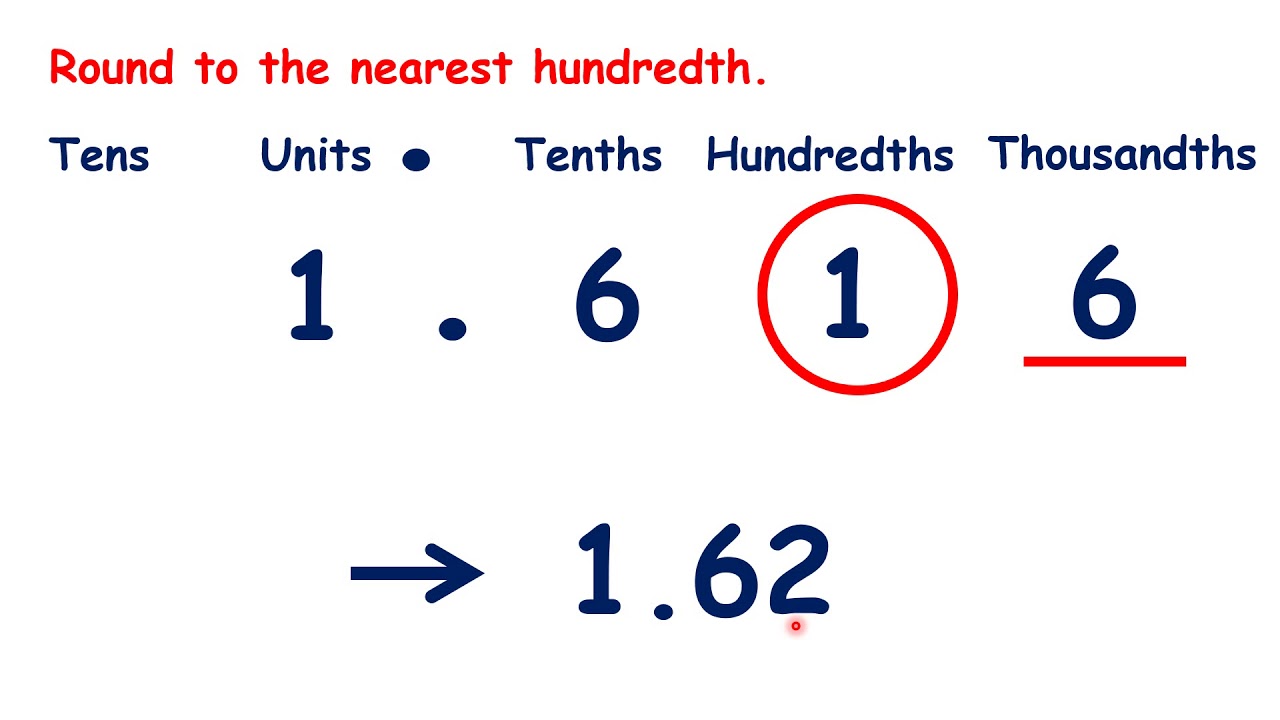
The same principles apply when rounding to other place values. Want to round to the nearest ten? Find the halfway point and see if your number is above or below. Nearest thousand? Same deal! It's all about identifying the relevant place value and comparing your number to the halfway mark.
Let's try a quick example: What about 78 rounded to the nearest ten? The halfway point between 70 and 80 is 75. 78 is greater than 75, so we round up to 80! Easy peasy, lemon squeezy!

Pro-Tip: Don't overthink it! Rounding is a tool to make your life easier, not harder. If you're ever unsure, draw a quick number line. It can be surprisingly helpful.
Rounding and Real Life: A Winning Combination
Think about all the ways rounding can help you in everyday life. Budgeting? Round those expenses! Estimating travel time? Round those distances! Cooking? Round those ingredient measurements (within reason, of course! We don't want any baking disasters!).
Rounding even has its place in more complex areas. Data analysis, scientific research, and even financial modeling all rely on rounding to simplify results and highlight important trends. It's a fundamental skill that underpins a surprising amount of what we do.
More than just a mathematical operation, rounding empowers you to interpret information and make decisions with confidence. You are now equipped to handle a variety of numerical situations with poise and precision. Who knew rounding could be so powerful?
Embrace the Numbers!
So, there you have it! 26 rounded to the nearest hundred is 0. But more importantly, you've unlocked the secrets of rounding and discovered how it can make numbers less intimidating and more manageable. Go forth and round with confidence! Explore the fascinating world of mathematics and see what other cool tricks you can learn.
Keep exploring, keep questioning, and keep having fun with numbers. The world is full of numerical wonders just waiting to be discovered. And who knows? Maybe you'll even find a new way to use rounding to make your own life a little bit easier (and a lot more fun!). Happy rounding!