
23.50 An Hour Is How Much A Year

Okay, picture this: I'm at a coffee shop, totally spaced out, trying to decide if I can justify the extra shot of espresso. You know, the usual morning crisis. The barista calls out my name, and as I'm grabbing my caffeine fix, I overhear the person behind me saying, "So, at $23.50 an hour... that's enough, right?" And my brain, already struggling to function, just short-circuited. Enough for what?! A yacht? Ramen for life? The possibilities are endless! (Except, realistically, probably not a yacht. Unless it's a really small yacht.)
That got me thinking – a lot of us hear hourly rates and just nod along, but what does that actually translate to in a yearly salary? Because let’s be honest, we don't pay rent or buy groceries with hourly wages. We need the big picture! That's why we're diving into the magic number: $23.50 an hour.
The Simple Calculation: Crunching the Numbers
Alright, let's get down to the nitty-gritty. The most basic calculation assumes a standard 40-hour work week. This is important – some jobs are 37.5 hours, some are crazy overtime. But we're sticking with the standard for now.
Must Read
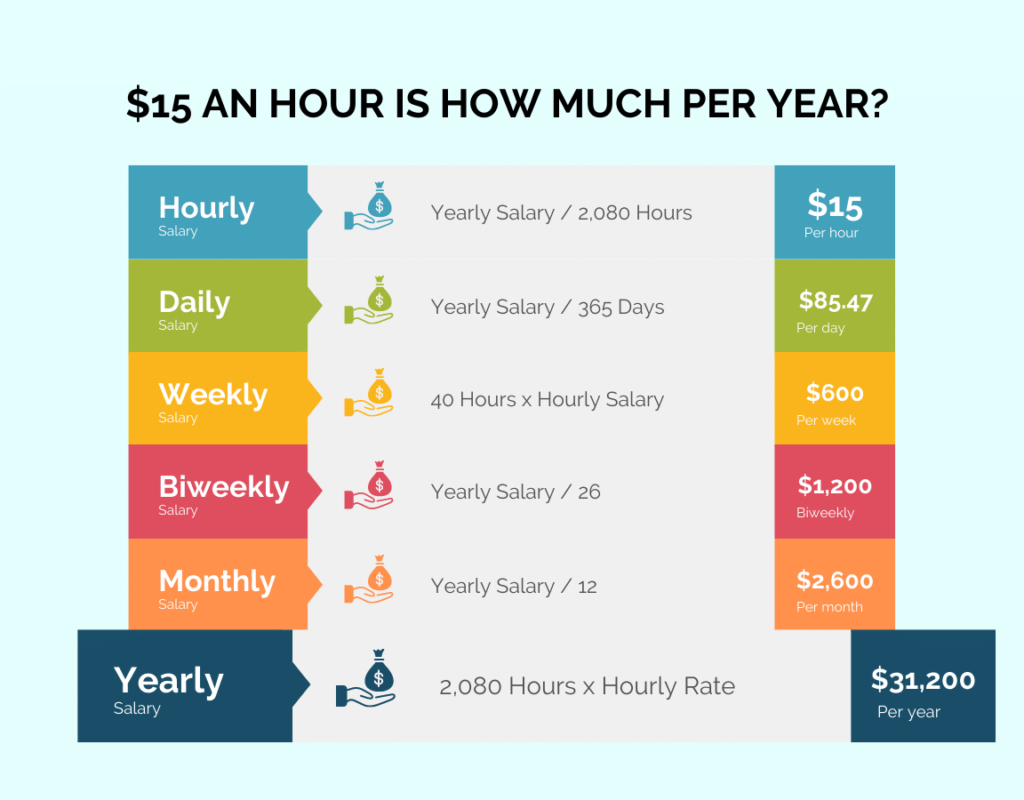
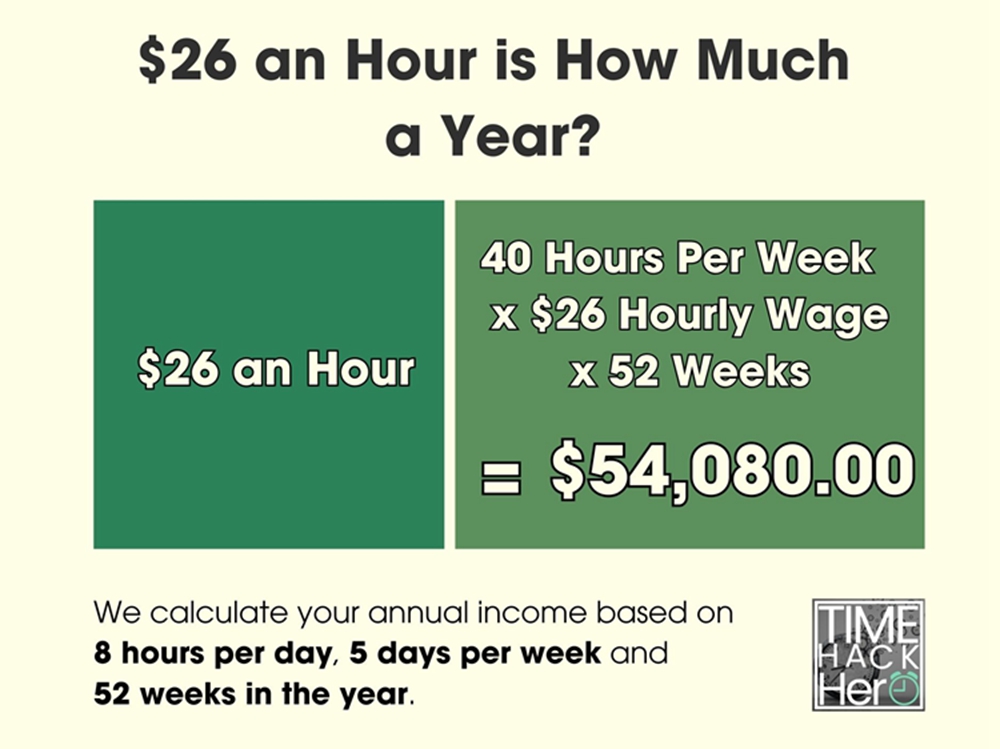
So, here's the formula: $23.50/hour * 40 hours/week * 52 weeks/year. Get your calculators ready (or just trust me, I already did the math!). That equals… $48,880 per year!
Boom! There you have it. Pretty straightforward, right? (Famous last words, because taxes are about to crash the party.)
But Wait, There's More! The Taxman Cometh.
Before you start planning your dream vacation based on that $48,880, let's talk about taxes. Uncle Sam, and possibly your state and local governments, are going to want their piece of the pie.
Taxes vary wildly depending on where you live, your filing status (single, married, etc.), and any deductions you might be eligible for. So, it's impossible to give you an exact "take-home pay" figure. But a good rule of thumb is to estimate that you'll lose somewhere between 20% and 30% of your gross salary to taxes. That could mean your actual take-home pay is closer to $34,216 to $39,104.
Ouch. Reality check, people! Don't forget to factor in those deductions, though! Contribute to a 401k? Those pre-tax contributions will lower your taxable income.
Beyond the Basics: Considering the Extras
Okay, so we've covered the basics. But real life isn't always that simple, is it?
Think about these factors that can influence your actual annual income:
- Overtime: Do you have the opportunity to work overtime? If so, those extra hours at time-and-a-half (or even double time!) can significantly boost your yearly earnings.
- Paid Time Off (PTO): How much vacation time and sick leave do you get? Getting paid for time off is essentially like getting a bonus! (Especially if you use it wisely... like on a beach somewhere.)
- Benefits: Health insurance, retirement plans, and other benefits are a huge part of your overall compensation package. A great benefits package can be worth thousands of dollars per year!
- Raises and Bonuses: Are there opportunities for raises or bonuses? Performance-based bonuses or cost-of-living adjustments can increase your income over time.
These things can make a HUGE difference. Don't just focus on the hourly rate; look at the whole picture when evaluating a job offer.

Is $23.50 an Hour Enough? It Depends!
The ultimate question: is $23.50 an hour enough? Honestly, it depends entirely on your individual circumstances. Cost of living varies drastically across the country (or even within the same state!). What's a comfortable salary in rural Iowa might be barely scraping by in San Francisco.
Consider your monthly expenses: rent/mortgage, utilities, food, transportation, debt payments, and everything else. Create a budget to see where your money is going. (And maybe cut back on those extra shots of espresso. Just kidding… mostly.)
Ultimately, knowing how to translate your hourly wage into an annual salary is a crucial step in financial planning. It's about understanding the real value of your work and making informed decisions about your financial future. So go forth, calculate, and conquer! And maybe, just maybe, start saving for that yacht. (Baby steps!)