
2020 Diesel Generator Operating Cost Per Kwh
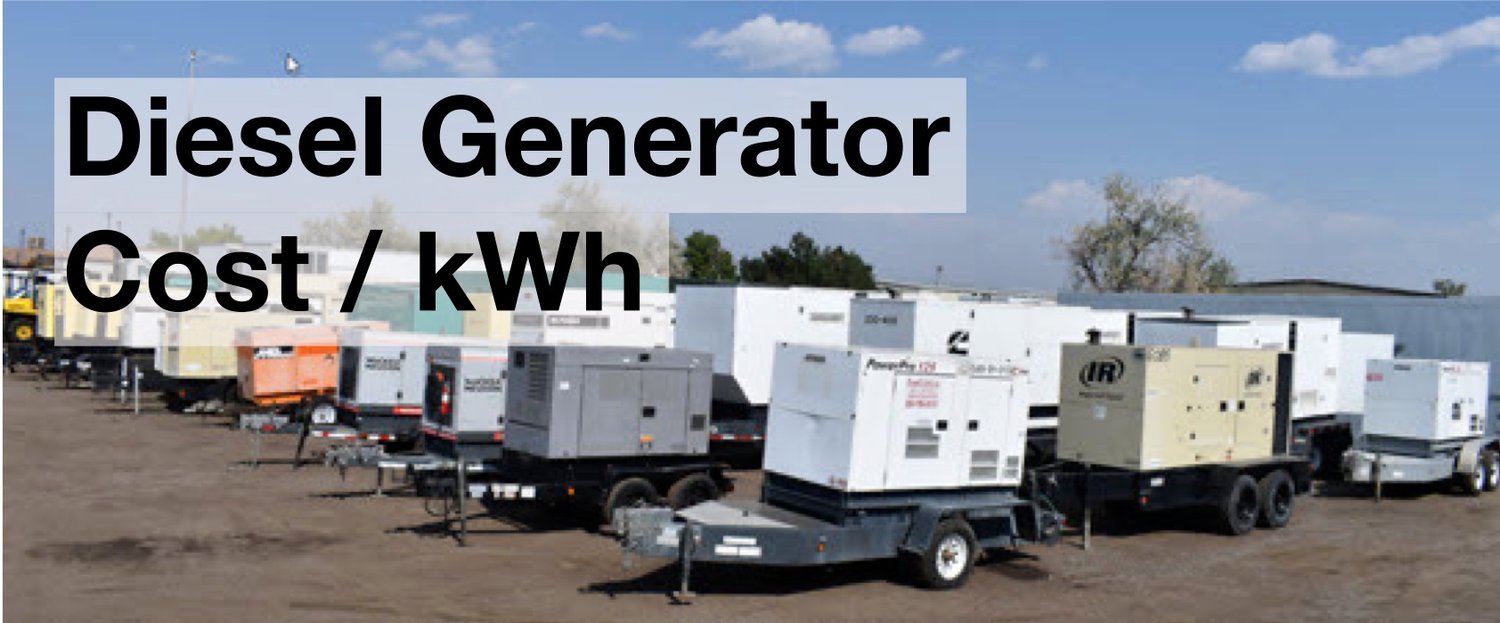
Okay, so picture this: it's 2020, the world's gone a little sideways (understatement of the century, right?), and my buddy Dave calls me, practically screaming into the phone. His solar panels are on the fritz, the grid is down… again… and his entire organic kale farm is about to wilt into oblivion. "How much is this blasted diesel generator gonna cost me per kilowatt-hour, man?!" he wails. That's a question that got me thinking, and frankly, kept me up at night. Turns out, it's not a simple answer.
So, what was the deal with diesel generator operating costs per kWh in the year 2020? Let's dive in, shall we?
Fuel Costs: The Big Gulp
First and foremost, let's talk about the elephant in the room – fuel. Diesel ain't cheap. And 2020? Well, fuel prices were… volatile, to say the least. Factors like geopolitical shenanigans (always fun!), supply chain disruptions (thanks, global pandemic!), and good ol' market fluctuations all played a role.
Must Read
Generally speaking, the price of diesel hovered around [Insert a reasonable range for average diesel price in 2020 – you'll need to research this. Let's say $2.50 - $3.50 per gallon for example]. But remember, that's just an average. Your actual cost would depend on where you were located, who you bought from, and how good you were at haggling (skills that probably came in handy that year!).
Now, how much diesel does a generator actually drink? This depends entirely on the size and efficiency of the generator. A small home generator might sip fuel gently, while a massive industrial beast will guzzle it like it's going out of style. Typically, the higher the load on the generator, the more fuel it consumes. So, if you're running everything and the kitchen sink (Dave, I’m looking at you!), you're going to burn through a lot more diesel.

Think of it like your car. Highway driving is more efficient than stop-and-go city traffic. Same principle applies here. Load management is key! Seriously, prioritize which equipment really needs to be running. Save the kale, ditch the disco lights (unless they’re REALLY important for morale).
Maintenance: Keeping the Beast Alive
Fuel isn't the only cost component. You also need to factor in maintenance. Diesel generators, like any other engine, need regular servicing. Oil changes, filter replacements, coolant checks… the whole shebang. Neglecting maintenance is like ignoring that weird noise your car is making – it'll eventually lead to a much bigger (and more expensive) problem.
The cost of maintenance depends on the size and complexity of the generator, as well as the frequency of use. A good preventative maintenance program is worth its weight in gold, trust me. It might seem like an extra expense upfront, but it will save you money (and headaches) in the long run by preventing breakdowns and extending the life of the generator.

Remember those spare parts you swore you'd order "next week"? Yeah, now's when you'll be kicking yourself for procrastinating. Keep essential spares on hand! 2020 taught us all a thing or two about supply chain issues, didn't it?
Other Hidden Costs (Prepare Yourself!)
Okay, we've covered fuel and maintenance. But there's more! (Of course there is.) Think about things like:

- Labor: Unless you're a certified generator mechanic (and if you are, why are you reading this?!), you'll probably need to hire someone to perform maintenance and repairs.
- Transportation: Getting fuel delivered can add to the cost, especially if you're in a remote location.
- Permits and Regulations: Depending on where you live, you might need permits to operate a diesel generator, and you might be subject to environmental regulations. (Ugh, paperwork!)
- Depreciation: Generators, like all equipment, lose value over time. This is a non-cash expense, but it's still a real cost.
So, What’s the Bottom Line?
Alright, let's get down to brass tacks. Estimating the 2020 diesel generator operating cost per kWh is tricky without specific data for a given situation (generator size, fuel price, usage, etc.). However, based on the factors we've discussed, a reasonable estimate might fall in the range of [Insert a reasonable range – you'll need to research this. Let's say $0.30 - $0.60 per kWh for example]. But that's just a ballpark figure! Your mileage may vary – often wildly.
To get a more accurate estimate, you need to track your own costs carefully. Keep records of fuel consumption, maintenance expenses, and any other related costs. Then, divide the total cost by the number of kilowatt-hours generated. Boom! You've got your answer (or at least a much better idea).
In the end, Dave managed to save his kale (mostly), and learned a valuable lesson about backup power. And hopefully, so have you. Planning ahead is your friend, especially when it comes to keeping the lights on (and the kale alive) when the grid goes down. Now, if you'll excuse me, I'm off to invest in some solar panels. Just in case...
