
2014 Nissan Sentra Transmission

Okay, let's talk transmissions. Specifically, the one hanging out in the 2014 Nissan Sentra. Now, you might be thinking, "Ugh, transmissions, that sounds boring!" But trust me, this is like talking about that weird uncle at Thanksgiving. You might not want to, but you kinda have to acknowledge he's there, especially if he's telling stories about his "invention" that's totally just a toaster glued to a Roomba.
The 2014 Sentra mostly uses a Continuously Variable Transmission, or CVT. Think of a CVT as the culinary equivalent of a smoothie. It's supposed to be smooth and seamless, no clunky gear shifts like a manual. But sometimes, you get a smoothie that's...well, not quite right. Maybe too much spinach, maybe the blender wasn't powerful enough. You get the idea.
The CVT Experience: A Spectrum of "Meh"
The CVT in the 2014 Sentra isn't universally hated. Some folks swear by it. They love the smooth acceleration and the fuel efficiency. It's like they're perfectly happy with their spinach smoothie. But others... oh boy. For them, it’s more like chewing on a rubber band attached to a lawnmower. Ok, maybe not that bad, but you get the picture. The experience is variable, to say the least.
Must Read
One common complaint? The dreaded "rubber band effect." Imagine stretching a rubber band, and instead of snapping back immediately, it just kind of… slowly creeps back. That's how some people describe the acceleration. You floor the gas pedal, and the engine revs up, but the car seems to take its sweet time catching up. It's like your car is thinking, "Hold on, let me contemplate the meaning of life before I actually accelerate."
Then there's the noise. Some CVTs can sound, well, distinctive. It’s not necessarily a bad noise, but it's definitely noticeable. Imagine a vacuum cleaner with a head cold trying to sing opera. Again, maybe a slight exaggeration, but you get the gist. Listen closely!

Potential Problems: More Than Just Annoying Noises
Beyond the subjective experience, there are some potential issues to be aware of. Like any car component, CVTs aren't infallible. They can be prone to problems, especially if not properly maintained.
One common issue is overheating. CVTs generate heat, and if the transmission fluid isn't regularly changed, that heat can cause damage. Think of it like cooking oil. If you keep using the same oil to fry everything, eventually it's going to get nasty and start to smoke. Same principle applies here. Regular transmission fluid changes are crucial.
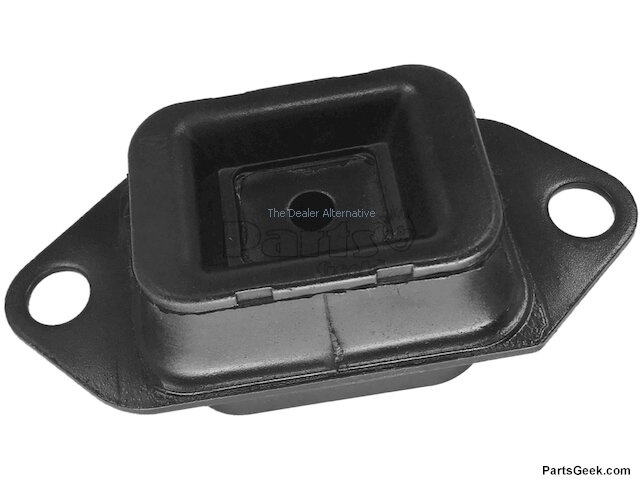
Another potential problem is slippage. This is when the transmission starts to lose its grip, and the car struggles to accelerate. It feels like you're driving on ice, even when you're not. Definitely not a good feeling.
So, What's the Verdict?
The 2014 Nissan Sentra's transmission is a mixed bag. Some people love it, some people tolerate it, and some people actively loathe it. It’s kind of like pineapple on pizza. It's not for everyone. But proper maintenance is key to extending the transmission's life, no matter your opinion of it. Regular fluid changes can make a world of difference.
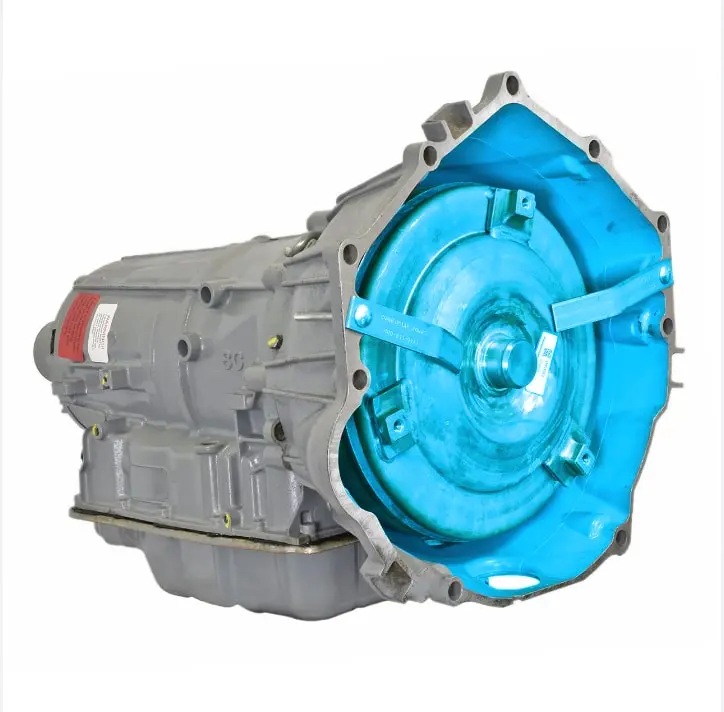
If you're considering buying a 2014 Sentra, or you already own one, it's worth doing your research and understanding the potential quirks of the CVT. Maybe even take it for a long test drive and see if the "rubber band effect" bothers you. Or, you know, bring a pizza with pineapple and see if you like that too.
Ultimately, the 2014 Sentra's transmission is just one part of the overall car. Don't let it be a deal breaker, but be informed and prepared. And hey, maybe you'll end up being one of those folks who actually likes the spinach smoothie. Stranger things have happened.
