
2013 Honda Civic Front Brakes
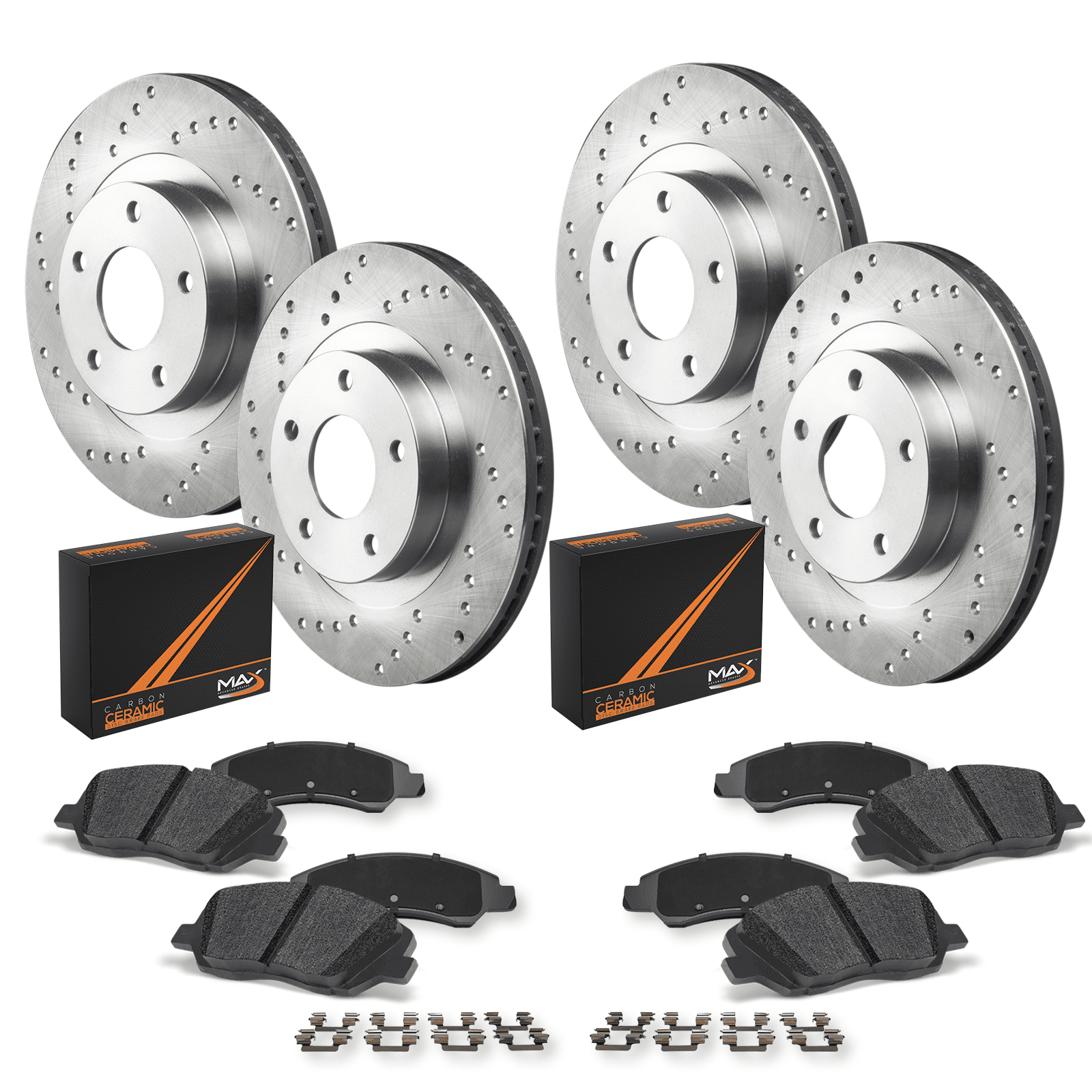
Let's talk about brakes. Specifically, the front brakes on a 2013 Honda Civic. Now, I know what you’re thinking: “Brakes? Seriously? That’s like, the most boring part of a car.” But hear me out! Brakes are like the unsung heroes of your daily commute. They're the reason you're not currently wearing the bumper of the minivan in front of you as a very unfortunate necklace.
Think about it. You’re cruising along, singing your heart out to 80s power ballads (don't deny it!), and suddenly, BAM! Someone slams on their brakes. What do you do? You mash that pedal, your front brakes scream in protest (or maybe just squeak a little if they’re feeling polite), and you come to a screeching halt. Disaster averted! You owe those front brakes a serious thank you. Maybe buy them a nice car wash later.
What Makes These Brakes Tick?
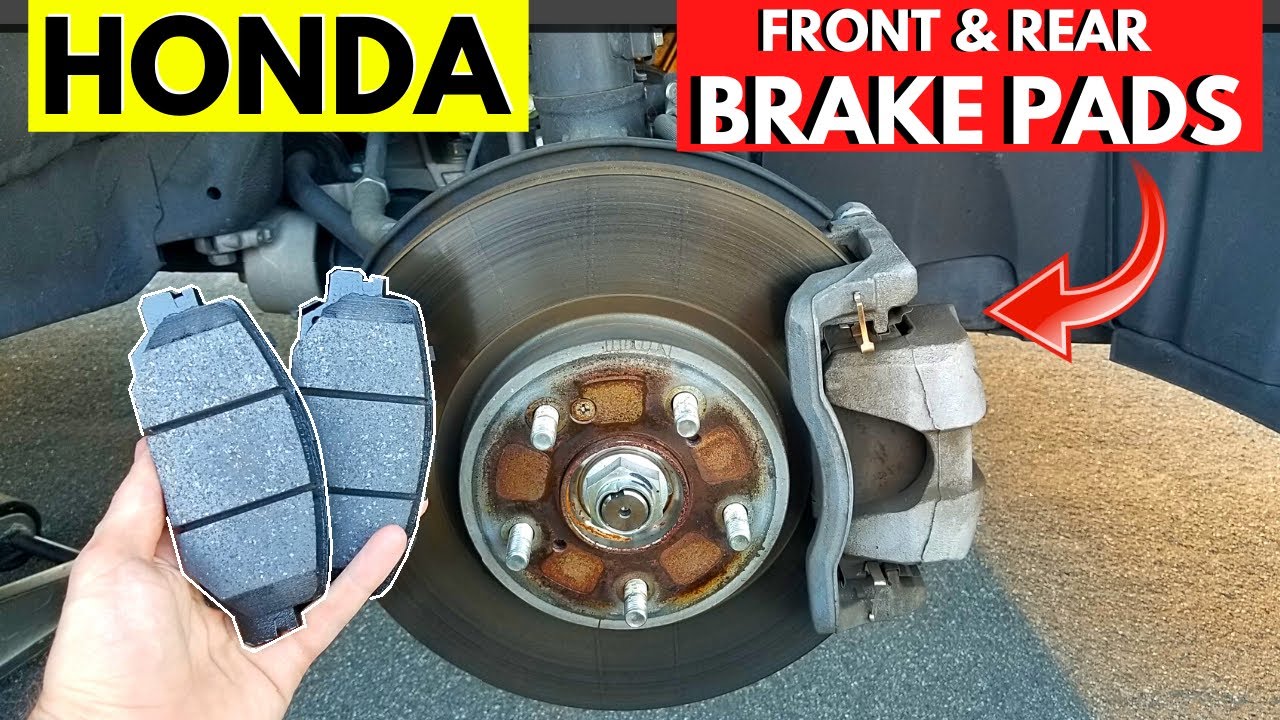
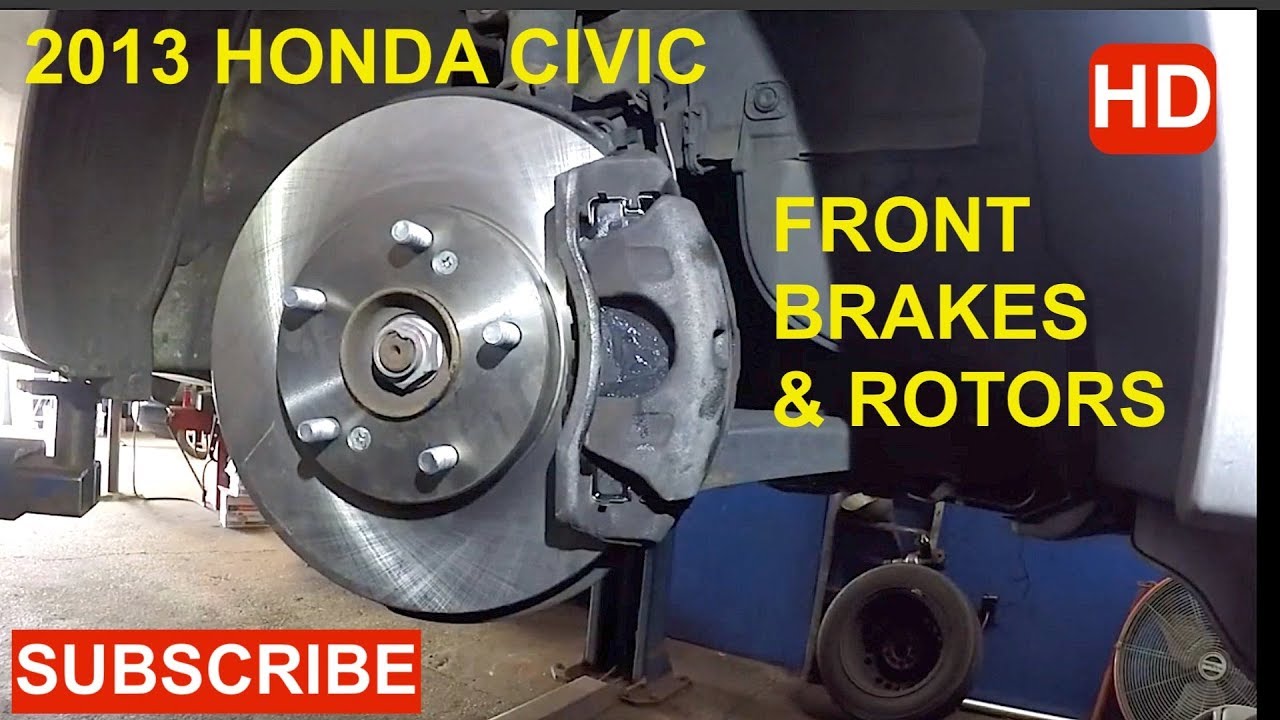
The 2013 Civic’s front brakes are, generally speaking, a pretty standard setup. We're talking about disc brakes. Imagine a pizza cutter squeezing a pizza, but instead of delicious pepperoni, it's clamping down on a metal disc attached to your wheel. That's essentially what happens. The "pizza cutter" in this scenario is the brake caliper, and the "pizza" is the rotor.
Must Read
Inside the caliper, you have brake pads. These are the friction material that presses against the rotor to slow you down. Think of them as the sandpaper of the braking world. Over time, they wear down, just like sandpaper loses its grit. That's why you need to replace them eventually. Ignoring worn brake pads is like trying to sand a table with a piece of tissue paper – not very effective, and potentially disastrous.
And then there's the brake fluid. This is the hydraulic fluid that transmits the pressure from your foot on the brake pedal to the calipers. Keep your brake fluid clean. Dirty or old brake fluid can cause all sorts of problems, from reduced braking power to a spongy pedal feel. It’s like trying to run a marathon with molasses in your shoes. Just...slow and sticky.
Common Issues (and How to Spot Them)
So, what are some common problems you might encounter with the front brakes on your trusty 2013 Civic? Well, the most obvious is noise. Squealing, grinding, or scraping sounds are usually a sign that your brake pads are worn down and need replacing. Don't ignore these noises! It's your car's way of screaming for help. Ignoring it is like ignoring your cat when it’s trying to cough up a hairball – unpleasant for everyone involved, and potentially messy.
Another issue is a pulsating brake pedal. This can be caused by warped rotors. Imagine your brake rotor is a vinyl record, and it’s been left out in the sun. It’s no longer perfectly flat, and when your brake pads clamp down on it, you feel that unevenness as a pulsation in the pedal.
You might also notice that your car is pulling to one side when you brake. This could indicate a problem with the brake caliper on one side, or unequal wear on the brake pads. It's like trying to walk a straight line with one shoe tied and the other untied – frustrating and potentially dangerous.

Reduced braking power is another red flag. If you find that you have to press the brake pedal harder than usual to stop, or if your stopping distance has increased, it's time to get your brakes checked. It's like trying to catch a runaway shopping cart on a downhill slope with your bare hands – not a good idea.
Taking Care of Your Brakes: A Few Simple Tips
Taking care of your 2013 Civic's front brakes is relatively straightforward. Regular inspections are key. Check your brake pads regularly for wear. Many auto parts stores will do this for free. And remember to replace your brake fluid every few years. Your owner's manual will have specific recommendations.
Also, avoid aggressive braking whenever possible. Sure, slamming on the brakes can be fun in a Hollywood action movie, but in real life, it just puts unnecessary wear and tear on your brakes. Drive defensively, leave plenty of following distance, and try to anticipate traffic conditions.
Finally, if you're not comfortable working on your brakes yourself, don't be afraid to take your car to a qualified mechanic. Brakes are too important to mess around with. Think of it as hiring a professional chef to cook your Thanksgiving dinner – you could try to do it yourself, but the results might be... disastrous. Let the professionals handle it.
So, there you have it! A slightly-less-than-boring look at the front brakes on your 2013 Honda Civic. Remember, your brakes are your friends. Treat them well, and they’ll keep you safe on the road. Now go out there and drive safely... and maybe lay off the 80s power ballads just a little bit.
