
2000 A Month Is How Much An Hour
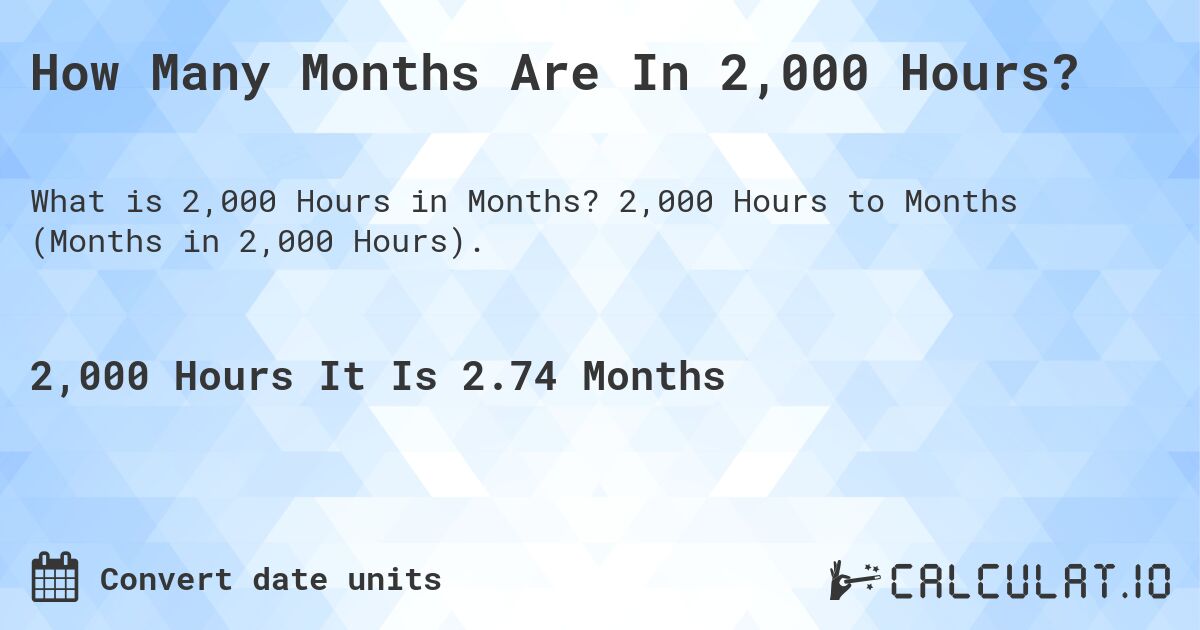
Ever wondered how much you really make in an hour? It's easy to get lost in the monthly salary number, especially when you see a nice round figure like $2000. But breaking it down to an hourly rate can be a real eye-opener, helping you understand the value of your time. Why should you care? Well, let's find out!
Think about it: knowing your hourly rate is like having a secret superpower. Suddenly, you can see through the marketing magic of "buy one get one free" deals and understand the true cost of that impulse online purchase. No more financial surprises!
So, How Do We Get There?
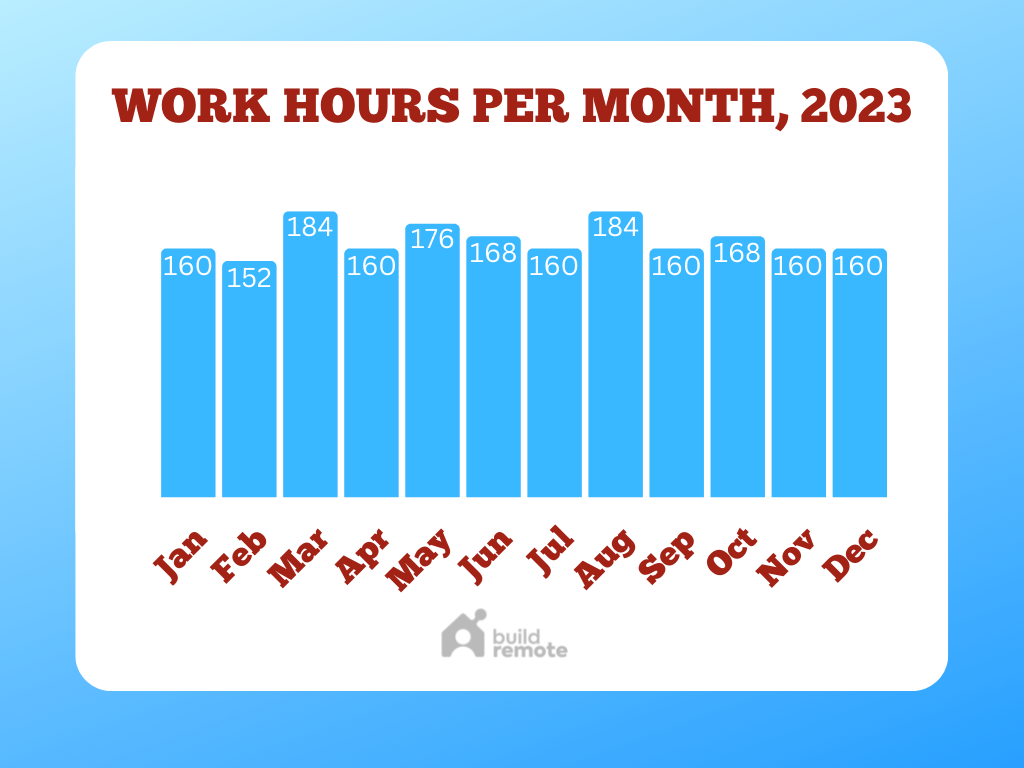
Alright, let's get down to brass tacks. Turning $2000 a month into an hourly wage is surprisingly simple. The key is to figure out how many hours you typically work in a month. Most full-time jobs are based on a 40-hour work week. So, let's roll with that for now.
Must Read
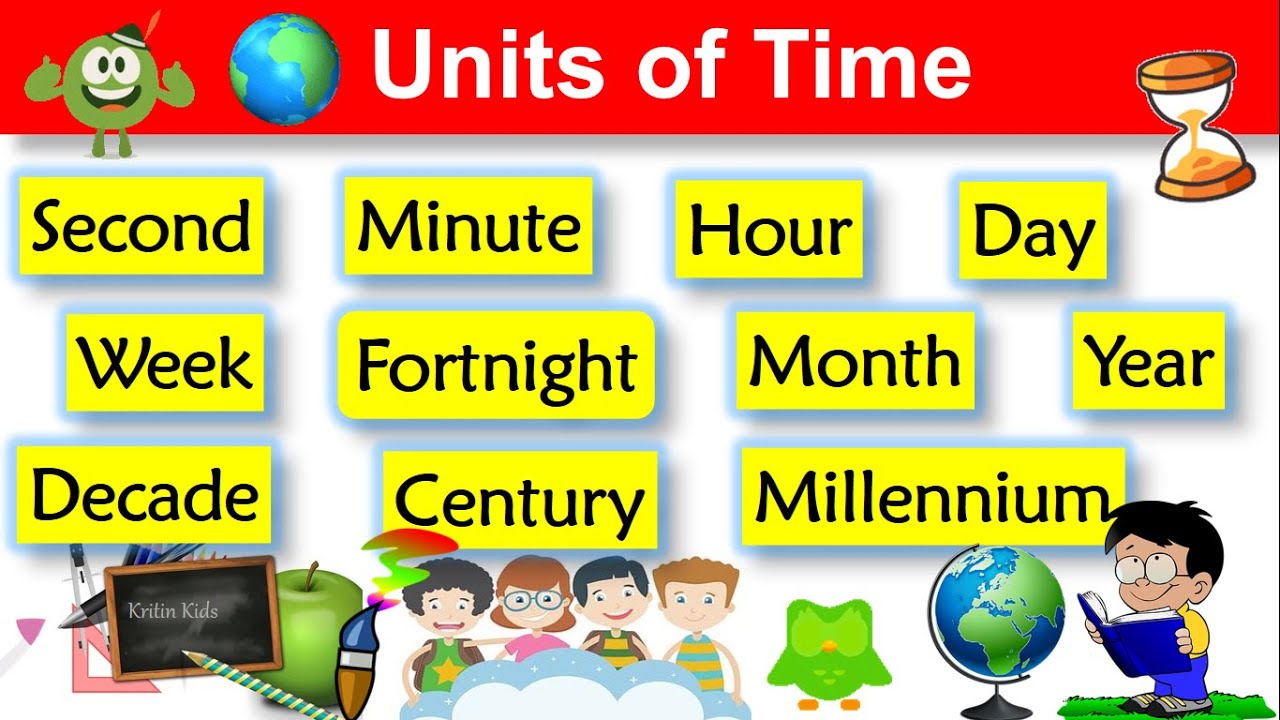
There are roughly four weeks in a month. To be super precise, we usually calculate it as 4.35 weeks per month on average. This accounts for the slight variations in the number of days each month has. But for simplicity, let's stick with four. 4 weeks x 40 hours/week = 160 hours per month.
Now, the magic formula: Monthly Salary / Hours Worked Per Month = Hourly Rate. So, $2000 / 160 hours = $12.50 per hour.
Ta-da! You're making $12.50 an hour.
But Wait, There's More! (Context is King)
Okay, so you know you're making $12.50 an hour. But what does that really mean? It depends entirely on where you live and what your expenses are. $12.50 an hour in a small town in the Midwest might go a lot further than $12.50 in New York City.
Think about the price of a gallon of milk, rent costs, and even the cost of your daily coffee. These things vary dramatically from place to place. So, comparing your hourly rate to the cost of living in your area is super important.
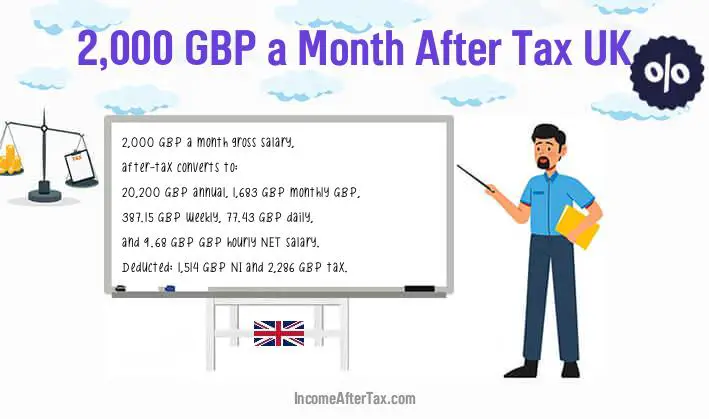
For example, that $12.50 might mean you can afford a decent apartment and still have some money left over for fun in one location. In another, it might mean you're struggling to make ends meet.
Why Bother Knowing Your Hourly Rate?
Besides feeling like a financial wizard? There are tons of practical reasons. Knowing your hourly rate helps you:
- Make informed spending decisions: Is that $5 latte really worth half an hour of your work? Maybe not.
- Negotiate a raise: When you know your worth, you can confidently ask for what you deserve.
- Evaluate job offers: Don't just look at the annual salary. Calculate the hourly rate and compare it to your current situation.
- Side hustles and freelancing: Knowing your value helps you price your services appropriately. Don't undersell yourself!
Let's say you're thinking about taking on a part-time gig. You can quickly figure out if it's worth your time. If they're offering $10 an hour, and you know your "real" rate is $12.50, it might not be the best use of your precious time, especially if you are tired or need a break.
The "Hidden" Hours
Don't forget to factor in the hidden hours! That's the time you spend getting ready for work, commuting, and even thinking about work when you're off the clock. These hours have value, too. They impact the quality of your life.
Commuting an hour each way to a job paying $12.50 per hour can quickly become exhausting and less financially attractive. Consider these factors when making career choices.
Beyond the Numbers: It's About Perspective
Ultimately, knowing your hourly rate is about empowering you to make smart financial decisions and understand the true value of your time. It's about shifting your perspective from just seeing a monthly number to truly understanding what each hour of your work is worth.
So, go forth and calculate! And the next time you're tempted to splurge on something, just remember to ask yourself: "Is this really worth the hours I had to work for it?" You might be surprised by the answer.
It's not just about the money; it's about having a clearer picture of how you're spending your most valuable resource: your time.