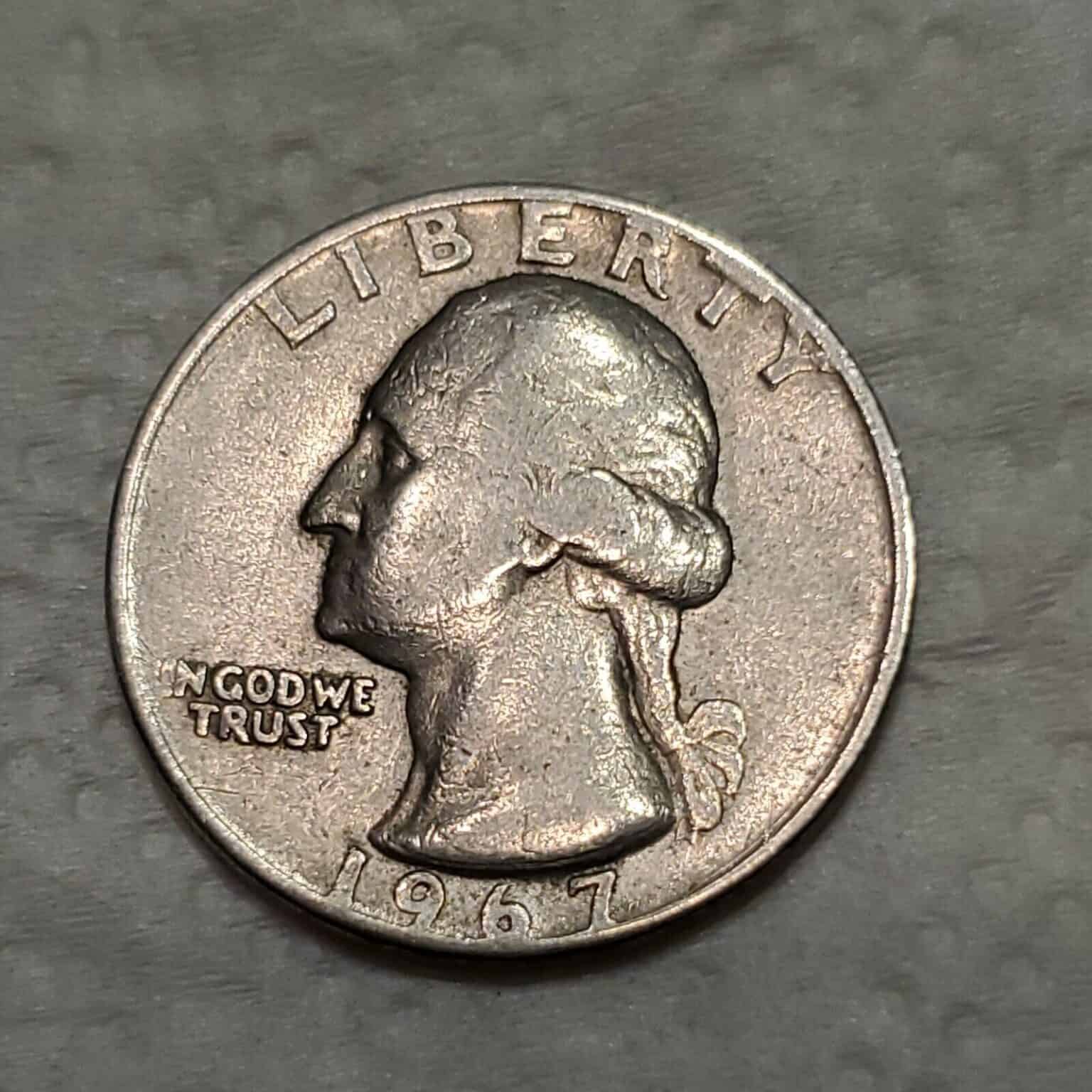
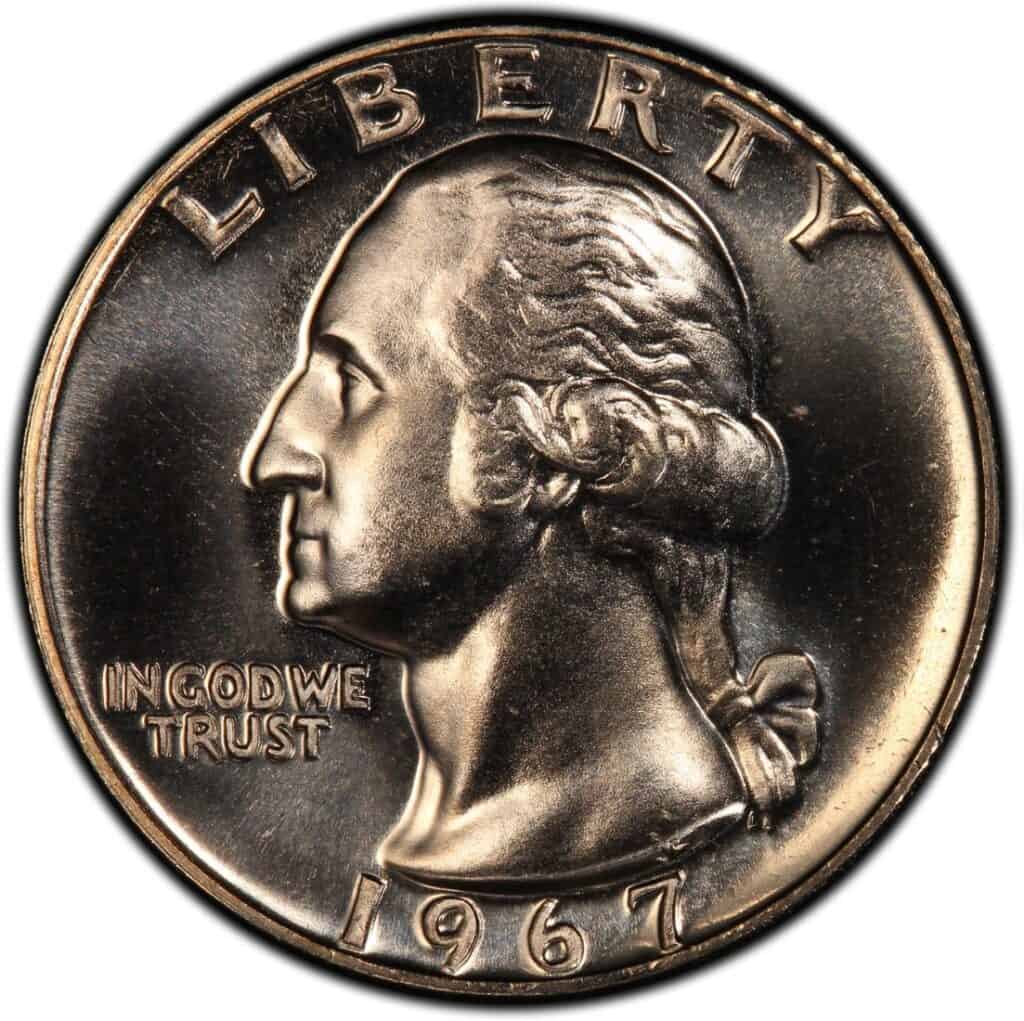
1967 Quarter Worth $35 000
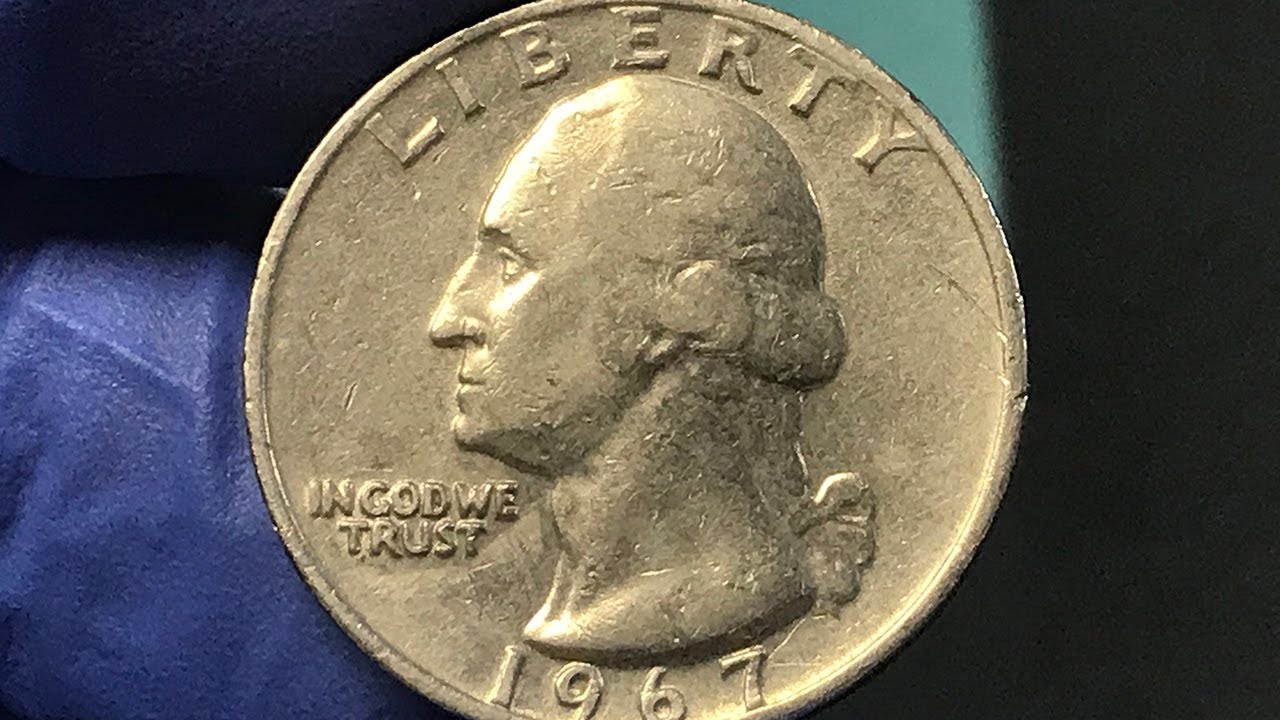
Ever rummage through your spare change, hoping to find a forgotten treasure? The world of coin collecting, or numismatics, can be surprisingly exciting. While most coins are worth face value, occasionally a seemingly ordinary coin can be worth a fortune. Today, let’s explore the fascinating case of the 1967 Quarter and the (very) slim chance it could be worth a staggering $35,000!
Now, before you empty your piggy bank, let's be realistic. Most 1967 quarters are only worth their face value (25 cents) or perhaps a little bit more as scrap metal, due to their silver content. The key lies in the error. You see, in 1965, the United States Mint switched from using 90% silver in quarters to a copper-nickel clad composition. However, a few rare examples of 1965-1970 quarters are suspected to have been accidentally struck on older, 90% silver planchets. These are the coveted quarters that collectors dream of finding.
The purpose of knowing about this is twofold. First, it promotes a healthy curiosity about the world around us. It encourages us to look closely at the everyday objects we take for granted. Second, it introduces us to the exciting world of numismatics, which blends history, art, and economics. Understanding the value of coins, whether for their metal content or for their rarity, can be surprisingly enlightening.
Must Read
In an educational setting, exploring coins can be a great way to teach history, mathematics, and economics. Children can learn about the historical figures depicted on coins, practice their counting skills by adding up the values of different coins, and understand the concept of supply and demand by researching the factors that make a coin valuable. Even in daily life, knowing a little about coins can be useful. You might, for example, be able to spot a potentially valuable coin in your change and save it for further research.
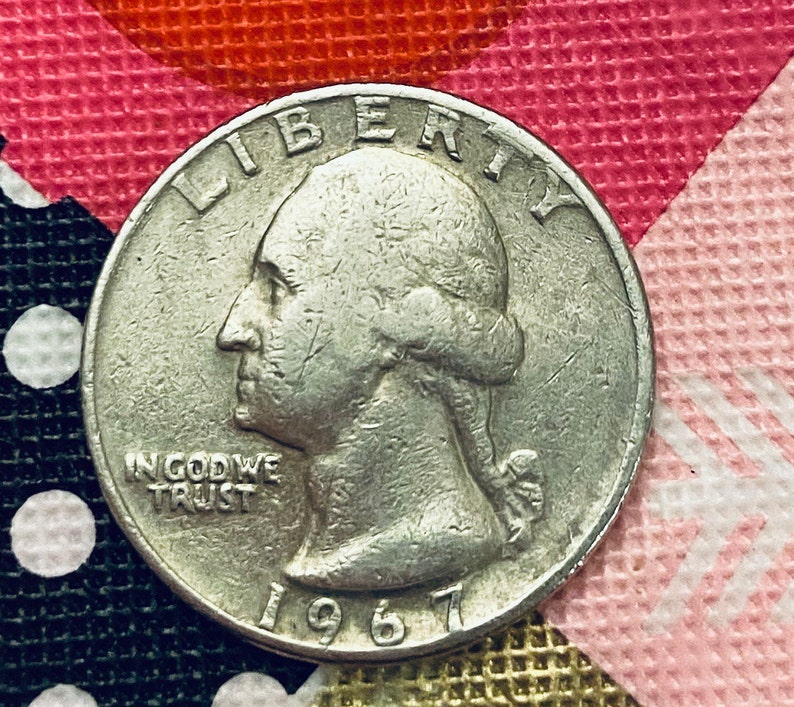
So, how do you know if you have a potential goldmine in your pocket? The main characteristic to look for is the silver content. A regular 1967 quarter will have a copper stripe visible on its edge. A silver quarter, on the other hand, will appear entirely silver all the way through. There are also specific error types to look for, such as double die errors or off-center strikes, which can significantly increase the value of any coin. While spotting these errors requires some research and knowledge, a simple online search for "1967 Quarter Errors" can yield helpful images and descriptions.
A simple way to explore this further is to start a small coin collection. Buy a basic coin collecting guide and a magnifying glass. Begin by sorting through your loose change, paying attention to the dates, mint marks (the small letters that indicate where the coin was minted), and overall condition. Keep an eye out for any unusual features or errors. Remember, most coins won't be worth a fortune, but the thrill of the hunt and the knowledge you gain along the way is its own reward. And who knows, maybe, just maybe, you'll be the lucky one to discover that elusive $35,000 1967 Quarter!