
101 Grados Fahrenheit A Centigrados
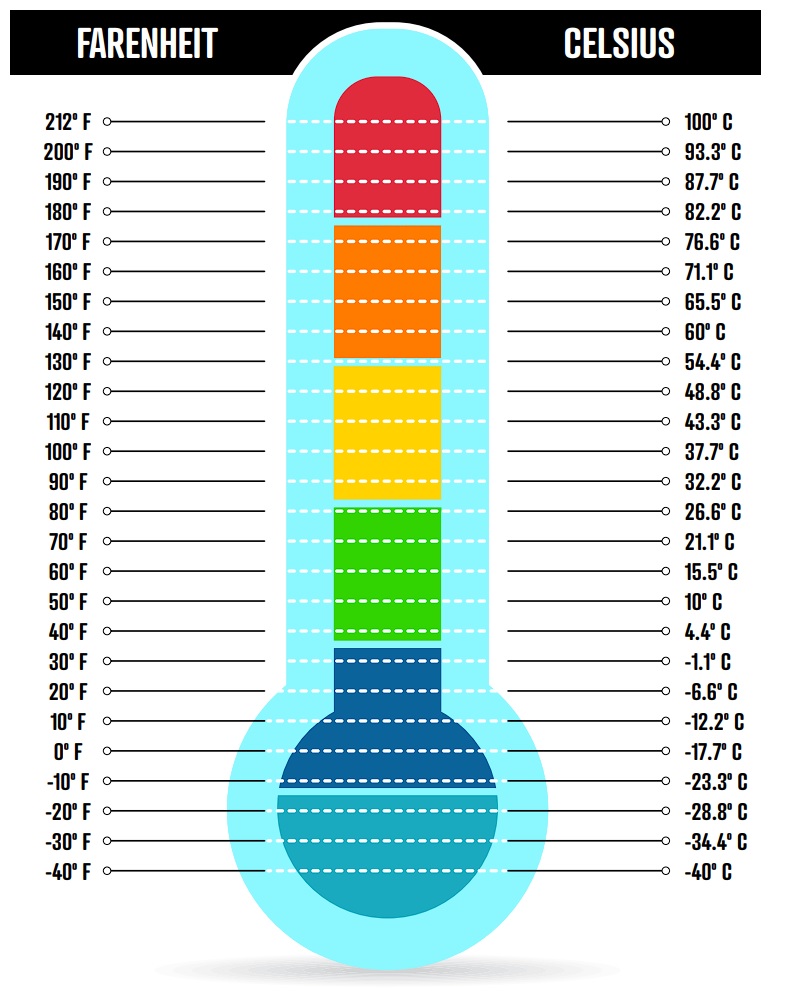
Hey there, curious minds! Ever stumbled across a temperature in Fahrenheit and thought, "Wait, what does that really mean?" Or maybe you've seen Celsius floating around and felt a similar twinge of confusion? Well, buckle up, because we're about to dive into a super simple explanation, focusing on that slightly alarming number: 101 degrees Fahrenheit. And we're going to convert it to Celsius. Why? Because knowing how these two temperature scales relate is kinda cool, and honestly, pretty darn useful.
Think of Fahrenheit and Celsius like two different ways of measuring the same thing: how hot or cold something is. It's like using inches versus centimeters – both measure length, but they use different units. Makes sense, right?
So, 101°F... What's the Big Deal?
Okay, let's get to the heart of the matter. 101°F. On its own, it might not mean much. But think about it this way: normal human body temperature is around 98.6°F (give or take). So, 101°F? That's a fever! Yikes. You’re definitely not feeling your best at that temperature. Time for some chicken soup and a Netflix binge, am I right?
Must Read
But what does that feverish 101°F translate to in Celsius? Let's find out!
The Magic Formula (Don't Worry, It's Not Scary)
Alright, brace yourselves… here comes the formula! But don't run away! It's actually pretty straightforward:

Celsius = (Fahrenheit - 32) * 5/9
See? Not so bad! Now, let's plug in our 101°F:

Celsius = (101 - 32) * 5/9
Celsius = (69) * 5/9
Celsius ≈ 38.3
Ta-da! 101°F is approximately 38.3°C.

38.3°C: Is That Hot?
Okay, so now we know the Celsius equivalent. But does 38.3°C feel hot? Well, considering that normal body temperature in Celsius is around 37°C, a temperature of 38.3°C definitely indicates a fever. It's a sign your body is working hard to fight something off.
Let's put it into perspective. Imagine a warm bath. Maybe around 40°C? That's definitely warmer than our feverish 38.3°C, but it gives you a sense of the scale.

Why Should I Even Care About This?
Good question! Why bother with Fahrenheit to Celsius conversions? Well, there are a few reasons:
- Travel: Different countries use different temperature scales. If you're traveling internationally, knowing the Celsius equivalent of a weather forecast in Fahrenheit (or vice versa) is super handy.
- Science: In the scientific world, Celsius (and Kelvin, which is closely related) is the standard.
- Understanding: It just gives you a better understanding of the world around you! Knowing that 101°F is a fever is useful, but knowing it's also 38.3°C gives you another reference point.
- Being Smart: Okay, maybe it just makes you feel a little bit smarter at parties. "Oh, that's 38.3 degrees Celsius, you know..." adjusts glasses.
Fun Temperature Comparisons (Because Why Not?)
Let's have some fun with temperatures! Where does 101°F (38.3°C) fall on the scale of hotness?
- Too cold for: Baking bread! Most bread recipes require oven temperatures much higher than that.
- Perfect for: Germinating some seeds! Many seeds like a slightly warmer temperature to get started.
- Not hot enough for: Making coffee! You need water closer to boiling (212°F or 100°C) for a good cup of joe.
- Warmer than: A pleasant spring day in many places.
The Takeaway
Converting between Fahrenheit and Celsius might seem intimidating at first, but it's really just a matter of knowing the formula. And knowing that 101°F is approximately 38.3°C? Well, now you're armed with some useful knowledge. So, go forth and impress your friends with your temperature-converting abilities! And remember, if you're feeling a bit warm and think you might be hitting 101°F, it’s best to check with a doctor! Stay healthy and stay curious!