
100 Amp Wire Size For 200 Feet

Alright, let’s chat about something that sounds super technical but is actually just a big dose of common sense, wrapped in a bit of electrical magic: running 100 amps of power a whopping 200 feet. Maybe you’re dreaming of a fully-kitted workshop at the back of your property, an epic shed-turned-man-cave, or perhaps you're just tired of tripping over extension cords trying to get power to your RV hookup.
You’ve got a grand vision, and you know you need some serious juice – 100 amps, to be precise. That’s enough to run a small house, or at least a heck of a lot of power tools. So you think, "Okay, I'll just grab some thick wire, right?"
The Invisible Power Thief: Voltage Drop
Here’s where it gets interesting, and frankly, a little funny. Imagine you’re trying to shout instructions across a football field to your buddy. If you just whisper, he’s not going to hear you. You have to project your voice. Electricity is kind of similar, but with a twist.
Must Read
Think of electricity as a bunch of enthusiastic little runners, all carrying tiny buckets of energy. Your 100-amp power source is like the starting line, full of fresh, energetic runners. Now, these runners have to sprint 200 feet to deliver their buckets.
If you make them run through a super skinny, twisty tunnel (a wire that’s too small), they get tired. Like, really tired. Some might even drop their buckets! By the time they reach the finish line, they’re dragging, huffing and puffing, and those buckets are only half full. That, my friends, is voltage drop in a nutshell. Your powerful 100 amps at the start might feel like a sad dribble by the time it reaches your workshop.
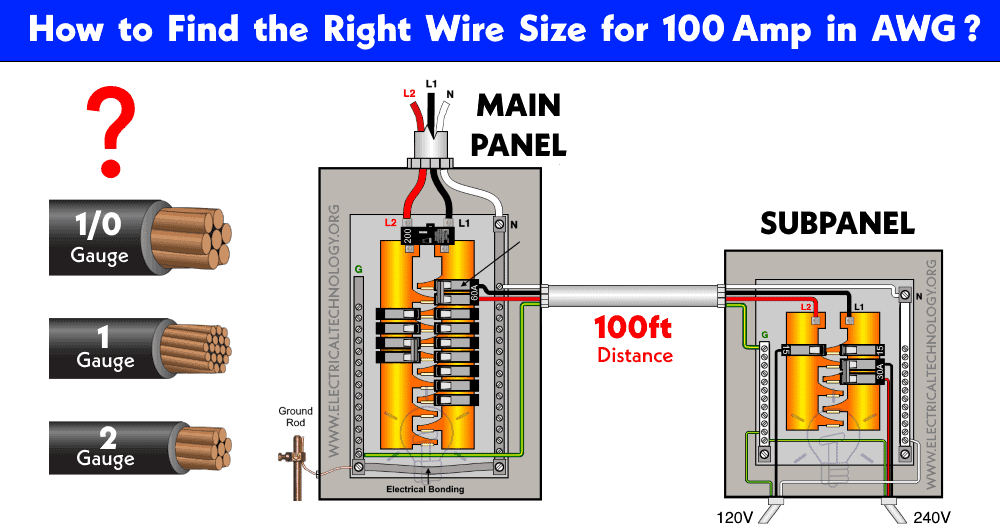
Your power tools will hum weakly, lights will be dim, and electric heaters? Forget about it. They’ll just glare at you in silent protest.
The Big Wire Revelation: It's Not What You Think
So, what’s the secret to keeping those little energy runners spry and full of beans over 200 feet? You give them a super highway to run on! A nice, wide, clear path where they can sprint without resistance.

This is where the wire size comes in, and for 100 amps over 200 feet, prepare for a bit of a surprise. If you were thinking something like 8-gauge or 6-gauge wire (which might be fine for a short run), you’re going to need to adjust your expectations. Significantly.
For this kind of power and distance, you're looking at something that feels less like electrical wire and more like a garden hose – a really, really thick garden hose. We’re talking about wire sizes that often have a "slash zero" in their name, like 1/0 (one aught) or 2/0 (two aught) or even 3/0 (three aught), depending on whether you're using copper or aluminum.
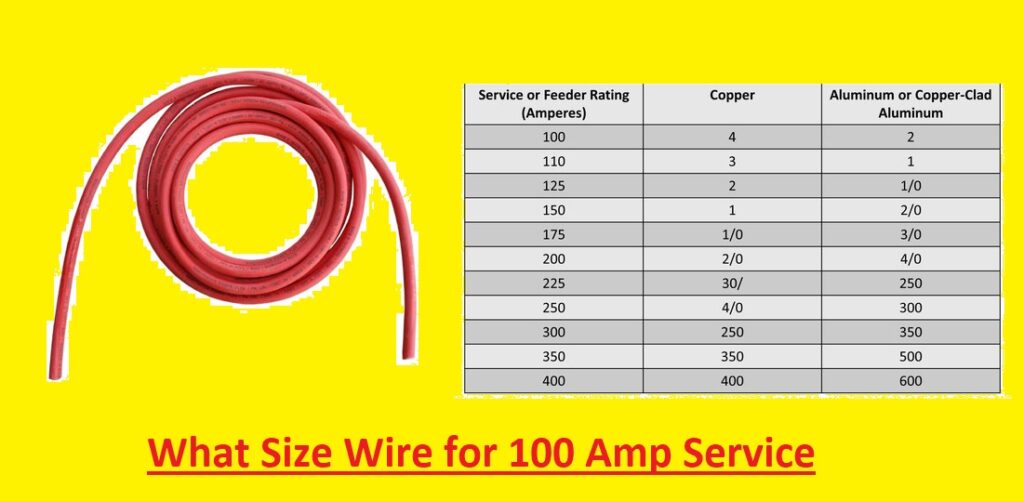
Copper is a better conductor, so you might get away with 1/0 or 2/0 copper. Aluminum is more common for these long, heavy runs because it's lighter and cheaper, but it needs to be thicker – often 2/0 or 3/0 aluminum. The exact size will depend on local codes and specific voltage drop calculations, but the key takeaway is: it's going to be big.
Why So Chunky?
Because chunky wire has less resistance. Less resistance means those energy runners don’t get tired. They get to your destination still pumped and ready to deliver their full buckets of power. You get your full 100 amps, running your welder, air compressor, and disco ball (hey, it's your workshop!) without a hiccup.
Trying to skimp on wire size to save a few bucks upfront is like buying budget tires for a race car. It just doesn't make sense. You’ll end up with underperforming equipment, potential safety hazards, and a whole lot of frustration. Trust me, the headaches aren't worth the savings.
So, when you’re planning that epic power run, remember the tired runners and the super highway. Always, always err on the side of thicker wire, and if you’re unsure, have a chat with a qualified electrician. They speak fluent "wire size" and can ensure your dream workshop gets all the juice it needs, safely and efficiently.
Go forth and power your dreams, knowing your electrons are happy and well-fed, all 200 feet of the way!