
Yearly Cost Gas Vs Electric Tankless Water Heater

Okay, picture this: You're about to dive into a glorious, steaming hot shower after a long day. The water starts out perfect, but then… BAM! Ice age. The hot water tank has betrayed you. Ugh, the horror!
That's where the mighty tankless water heater swoops in like a superhero, promising endless hot water on demand! But which champion should you choose – gas or electric? And more importantly, which one will make your wallet weep less each year?
The Great Water Heater Showdown: Gas vs. Electric (Tankless Edition!)
Let’s break down the annual cost of running these hot water heroes, shall we?
Must Read
The Price is Right (…or is it?) – Upfront Costs
First things first, let's talk initial investment. Generally, a gas tankless water heater is going to hit your bank account harder upfront.
Think of it as buying a slightly fancier car. You pay more initially, but maybe it's got heated seats and cup holders that massage your hands! Okay, maybe not, but you get the idea.
Electric tankless heaters, on the other hand, tend to be a bit kinder to your initial budget. You might save a few hundred bucks here.
But remember, the price of the unit itself is only part of the story. Installation can be a whole other beast!
Installation Mayhem: A Plumbing and Electrical Adventure
Installing a gas tankless heater is often more complex. You're dealing with gas lines, venting, and sometimes even needing to upgrade your gas supply.
This can be like trying to assemble IKEA furniture without the instructions… and with a grumpy cat watching you judge you. It's usually best left to the professionals, which adds to the cost.
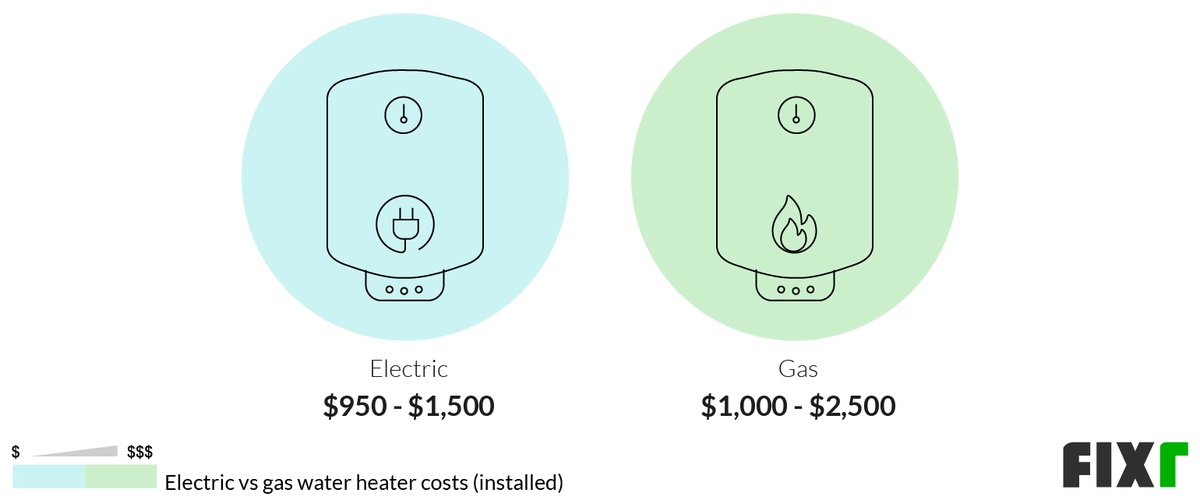
Electric tankless heaters might seem simpler, but don’t get too excited just yet. They often require significant electrical upgrades.
We're talking thicker wiring, a dedicated circuit, and possibly even a panel upgrade. That's like needing to build a whole new runway just so your toy airplane can take off!
So, while the unit itself might be cheaper, the electrical work can quickly erase those savings (or even surpass the cost of a gas installation).
The Fuel Factor: Gas vs. Electricity Rates
Now, for the main event: the annual running costs! This is where things get really interesting, because gas and electricity prices vary wildly depending on where you live.
Imagine gas and electricity as two rival lemonade stands. Sometimes one stand has a sale, and other times the other one does. It all depends on the neighborhood (your location)!
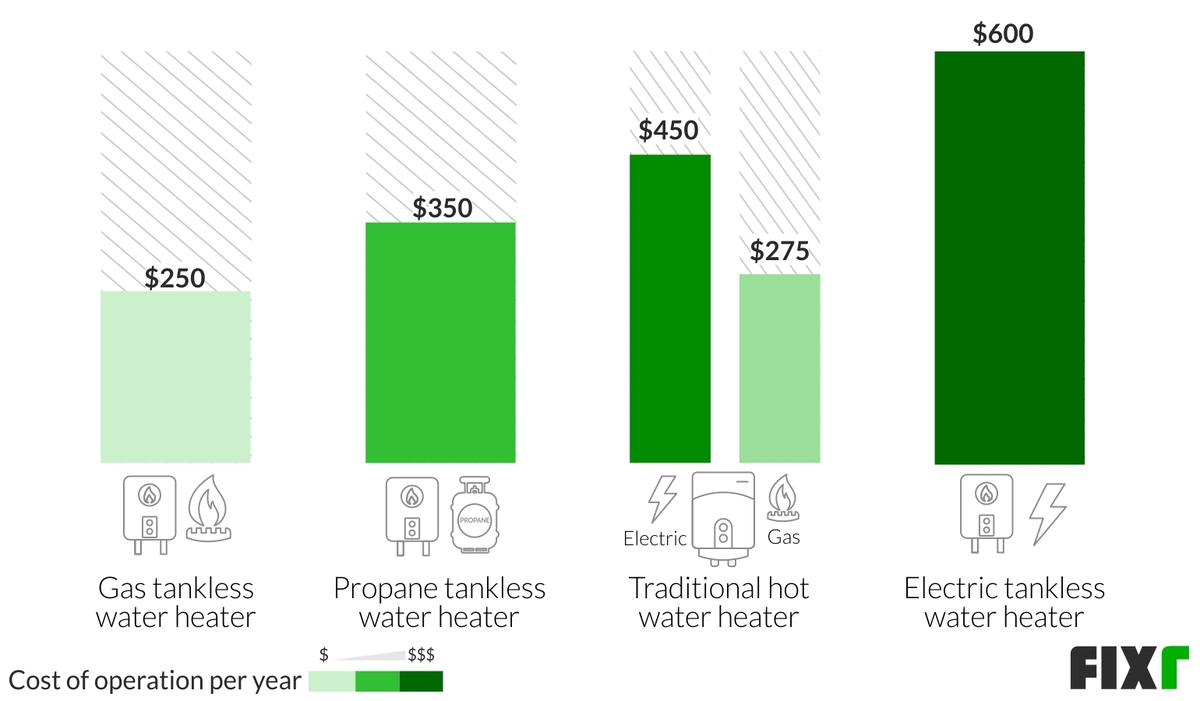
Generally, in many areas, natural gas is cheaper than electricity. This means a gas tankless water heater might cost you less to operate each year.
Think of it as paying less for gas in your car versus constantly needing to recharge an electric car at a super expensive charging station (exaggerating a bit, of course!).
However, if you live in an area with super cheap electricity (maybe you have solar panels, you lucky duck!), an electric tankless heater could actually be the cheaper option.
It's like finding a magic portal where gas costs $20 per gallon, but electricity is free! In that case, you'd definitely want the electric lemonade.
Efficiency is Key: How Much Hot Water Do You REALLY Need?
Both gas and electric tankless heaters are generally more energy-efficient than traditional tank heaters. They only heat water when you need it, eliminating standby heat loss.
Think of it as having a personal chef who only starts cooking your meal the moment you walk in the door, rather than having a buffet sitting out all day, wasting food.
However, the actual savings depend on your hot water usage. If you're a family of ten who all take hour-long showers every day, you'll obviously use more energy than a single person who takes quick showers every other day.
If you use a lot of hot water, the efficiency of a tankless system will shine, potentially saving you a significant amount of money regardless of whether it's gas or electric.
The Verdict: It Depends! (But Here's Some Helpful Guidance)
So, what’s the final answer? Which is cheaper to run year after year? Drumroll please…
…It depends! (I know, I know, you were hoping for a definitive answer. But life is rarely that simple, is it?).
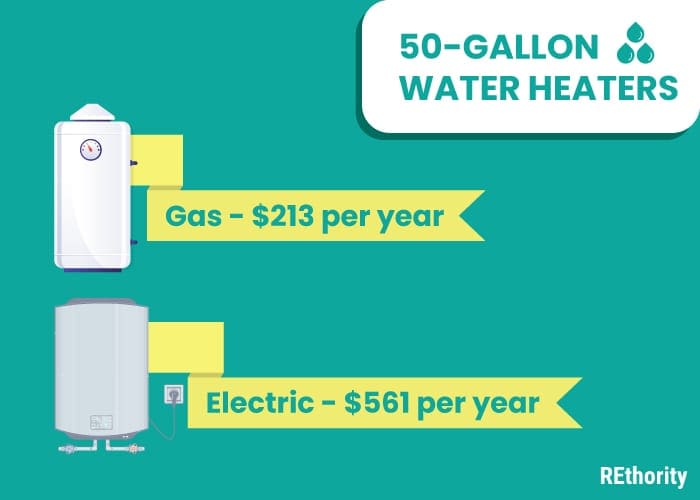
Here's a simplified way to think about it. In most areas, a gas tankless water heater will cost you less per year to operate due to cheaper gas prices.
However, upfront costs (unit + installation) tend to be higher. If you have access to cheap electricity, or already have the necessary electrical infrastructure in place, an electric tankless heater could be a winner.
Do Your Homework (and Maybe Call a Pro!)
The best way to figure out which option is truly cheaper for you is to do some research. Contact your local gas and electric companies to find out their current rates.
Then, get quotes from qualified plumbers and electricians for both gas and electric tankless heater installations.
Armed with this information, you can create a spreadsheet (or just scribble on a napkin – I won't judge!) and compare the total costs over, say, a 5-10 year period.
Consider factors like the unit cost, installation cost, annual energy costs, and potential maintenance expenses. This will give you a much clearer picture of which option is the most wallet-friendly in the long run.
Beyond the Dollars: Other Factors to Consider
While cost is a major factor, it's not the only thing to think about. Consider things like:.
Space Savings: Tankless heaters are much smaller than traditional tank heaters, freeing up valuable space in your home.
Longevity: Tankless heaters typically last longer than tank heaters, potentially saving you money on replacements down the road.
Environmental Impact: Both gas and electric heaters have environmental impacts. Research the efficiency ratings and emissions levels of different models to make an informed decision.
Embrace the Hot Water Future!
Choosing between a gas and electric tankless water heater can feel a bit overwhelming, but don't let it scare you! With a little research and planning, you can find the perfect hot water solution for your home and budget.
Just imagine endless, glorious, perfectly heated showers, without ever having to worry about running out of hot water again. Ah, bliss!
And who knows, maybe you'll even start singing in the shower again. (Just try to keep it down for the neighbors' sake!).