
Word For Tempering Steel By Heating And Cooling
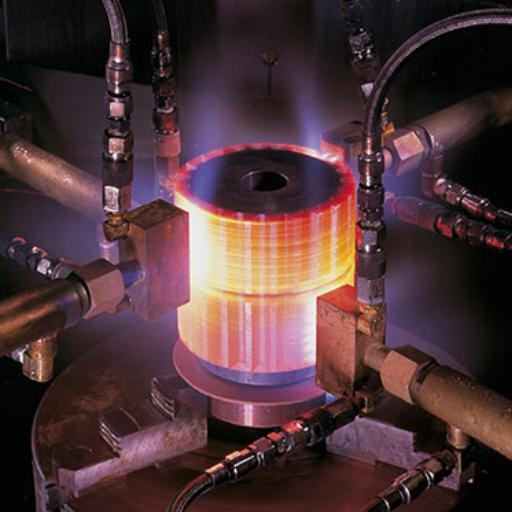
Hey there, metalheads and curious cats! Ever heard someone talking about making steel "just right"? Not too hard, not too soft, but perfectly balanced... like a well-seasoned cast iron pan (mmm, pancakes!). Well, they’re probably talking about the amazing process of tempering. It's not about throwing a tantrum, promise!
So, what is tempering, you ask? Imagine steel as a superhero. Raw steel, fresh from the forge, is like a superhero with incredible strength, but zero control. Super brittle! One wrong move, and BAM! It shatters. Tempering is the training montage that gives our metal hero control over its powers. Think Rocky running up those steps, but with fire and water instead of stairs and sweat.
In a nutshell, tempering is a heat treatment process that reduces the hardness and brittleness of hardened steel. It's like letting a pressure cooker release a little steam. You still have all the good stuff inside, but it’s a whole lot less likely to explode.
Must Read
The Heat and Cool Tango
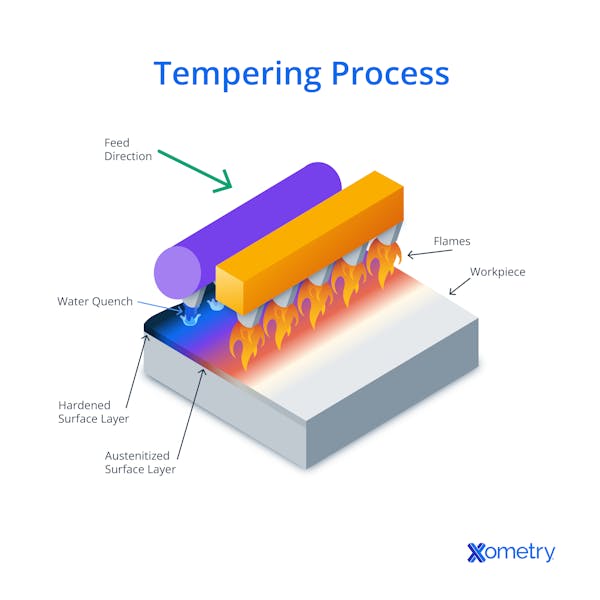
Now, here's where it gets interesting. Tempering involves a careful dance of… you guessed it… heating and cooling! It's not just about blasting it with a torch or throwing it in the freezer. We're talking precise temperatures and controlled cooling rates. Think of it as baking a cake, not setting off fireworks.
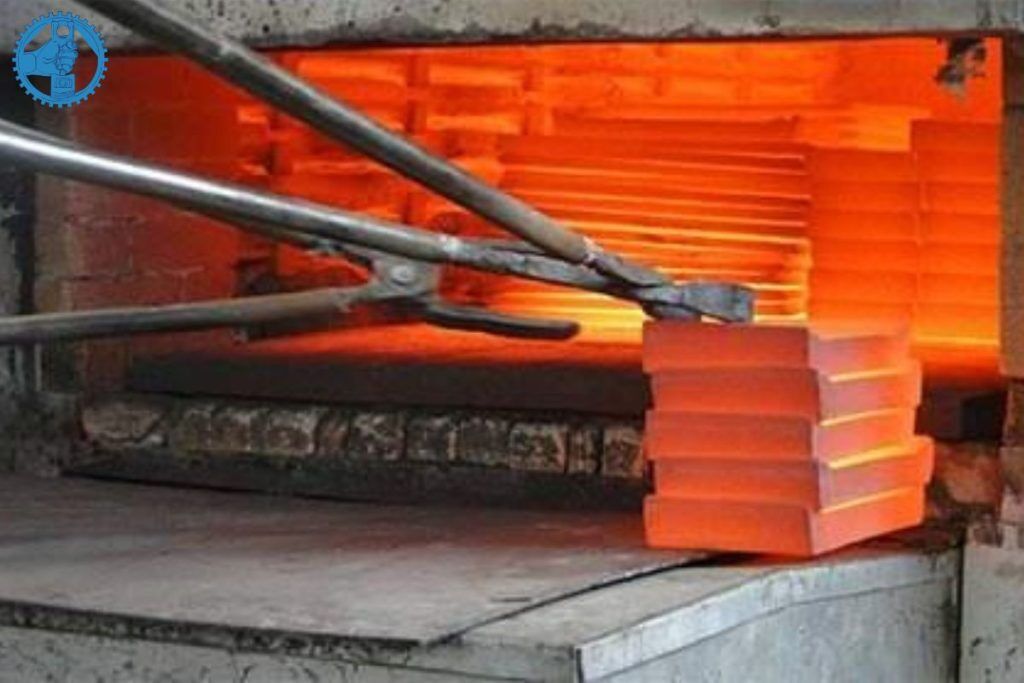
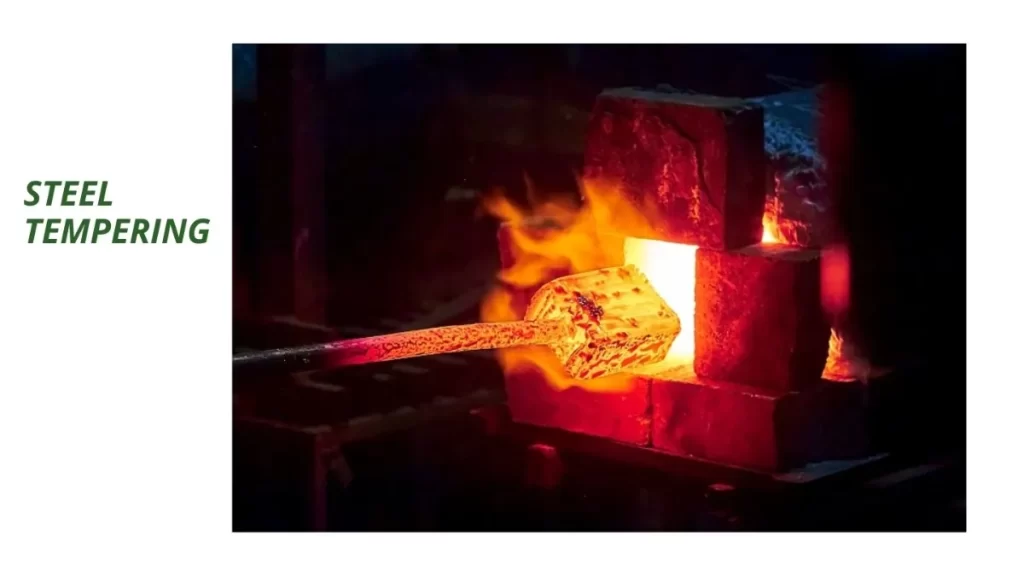
First, the steel is heated to a specific temperature, usually lower than the temperature used for the initial hardening process. The exact temperature depends on the desired properties of the steel. Want it tough and springy? Aim for a lower temperature. Need it a bit harder? Crank up the heat (just a little!).
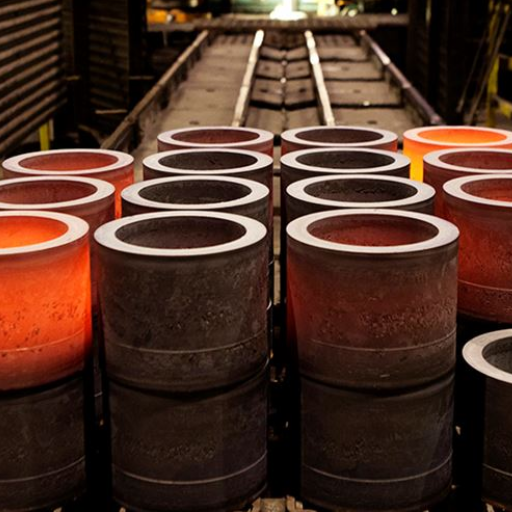
Why the heat, you ask? Well, heating the steel allows its internal structure (those tiny crystals inside) to rearrange themselves ever so slightly. It's like telling a crowd of people to shuffle around to create more space. This rearrangement relieves internal stresses that were introduced during the hardening process. Remember that brittle superhero? This is like giving them a good massage to loosen up those tense muscles.
Once the steel has soaked at the desired temperature for the appropriate time (patience, young Padawan!), it's time for the cooling part. The cooling rate also plays a crucial role. Usually, the steel is cooled slowly, either in air or in a liquid bath (like oil or water). Slow cooling prevents new stresses from forming.
Why Bother? Is it Worth the Effort?
Absolutely! Think of a knife that’s so hard it snaps if you try to cut anything tough. Or a spring that shatters after a few uses. Not exactly ideal, right? Tempering is what makes steel usable for a wide range of applications. It transforms brittle, impractical metal into tools, springs, and blades that can withstand stress and impact without breaking.
Tempering is essential for:
- Knives and blades: Need a knife that can slice and dice without chipping? Tempering is your friend.
- Springs: Coil springs, leaf springs… anything that needs to flex and return to its original shape needs proper tempering.
- Gears and axles: These components need to be tough enough to handle heavy loads and constant wear. Tempering provides that toughness.
- Tools: Hammers, chisels, screwdrivers… you name it! Tempered steel makes tools durable and reliable.
Without tempering, our world would be full of broken tools and shattered dreams (okay, maybe not dreams, but definitely a lot of frustration).
The Color Spectrum of Tempering
Here's a fun fact: Experienced blacksmiths and metalworkers can often judge the tempering temperature by the color of the steel as it heats up. As the steel gets hotter, a thin layer of iron oxide forms on the surface, creating a rainbow of colors – straw, bronze, purple, blue, and so on. Each color corresponds to a specific temperature range.
It’s like a secret code! Knowing these colors allows a skilled craftsman to temper steel without relying solely on thermometers. Pretty cool, huh?
Of course, modern technology offers more precise methods for controlling temperature, like specialized ovens and digital thermometers. But the color method is still a valuable skill and a testament to the ingenuity of metalworkers throughout history.
So, there you have it! Tempering: the magical process of transforming brittle steel into a strong, reliable material. It's a testament to the power of heat treatment and the ingenuity of those who work with metal. Next time you pick up a knife, a tool, or anything made of tempered steel, take a moment to appreciate the science and artistry that went into making it.
And remember, just like steel, sometimes we all need a little tempering – a little heat, a little cooling, a little time to rearrange our internal structures and become stronger, more resilient versions of ourselves. Go forth and temper your own metaphorical steel! You've got this!