
Wire Size For A 30 Amp Breaker

Alright, settle in, grab another coffee, because today we're diving into one of those household mysteries that sounds utterly thrilling, doesn't it? We're talking about... wait for it... wire size for a 30 amp breaker! I know, I know, try to contain your excitement. But seriously, this isn't just about dusty old electrical code books; this is about your house not becoming a surprise campfire.
Imagine your electrical wires like a series of tiny highways for zippy little electrons. When you flip on something powerful – say, that hungry electric dryer or a water heater that's seen better days – you're basically telling a whole lot of these electrons to get moving, and fast. A 30 amp breaker is like the bouncer at the club, ensuring only a certain amount of electron traffic flows through without causing a riot (or a meltdown).
Why Does Wire Size Even Matter?
It's simple, really. If you've got a tiny little garden path, you can't exactly cram a stampede of wildebeests down it, can you? It's going to get clogged, things are going to get hot, and someone (or something) is going to catch fire. Same goes for electricity.
Must Read
If your wire is too skinny for the amount of electricity (the "amps") trying to rush through it, two things happen:
- First, the wire gets hot. Like, "I could cook a tiny egg on this" hot.
- Second, your breaker, bless its cotton socks, notices this overheating and goes, "Nope! Not on my watch!" and trips, shutting everything down. It's a safety feature, a little electrical superhero saving your bacon.
But here's the kicker: if the wire is too skinny for too long, or if the breaker itself is faulty, that heat can become a real problem. We're talking melted insulation, smoking walls, and a very bad day for your insurance policy. So, picking the right wire isn't just a suggestion; it's a non-negotiable safety requirement.

The Magic Number: 10 Gauge Wire!
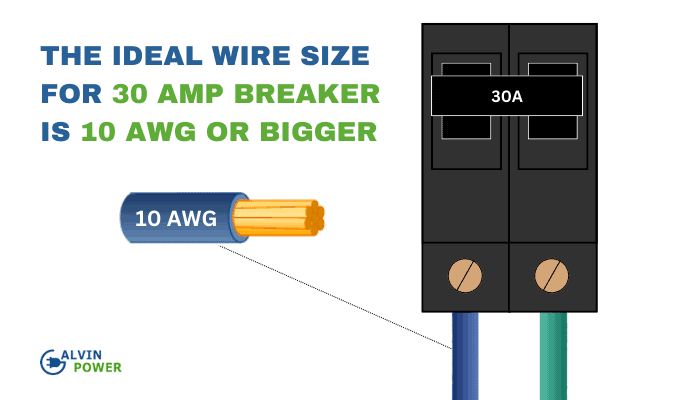
Alright, drumroll please! For a standard 30 amp breaker in your average home, the wire size you're looking for is 10 AWG. That's "American Wire Gauge."
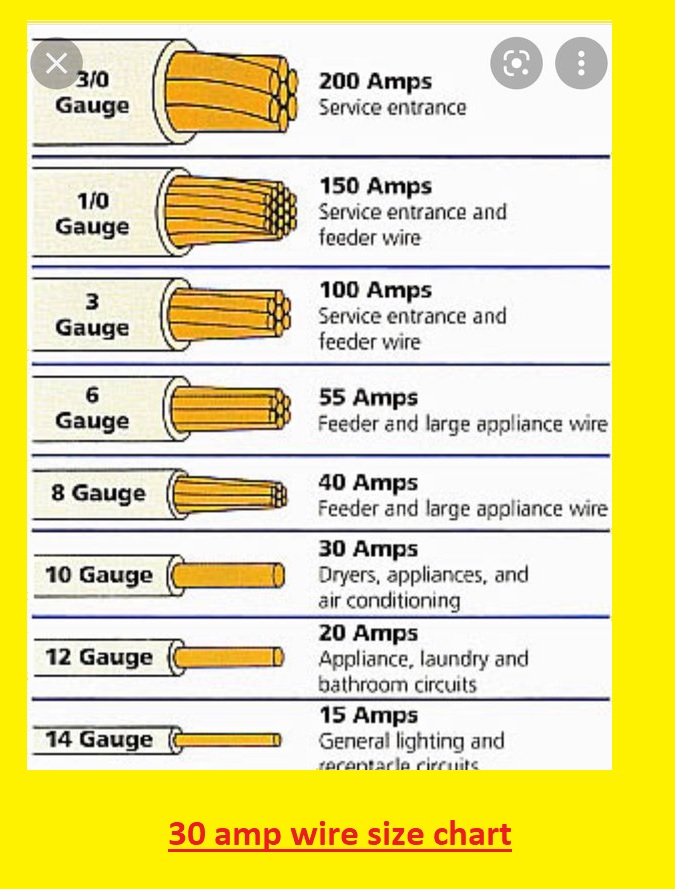
Now, here's a fun little quirk about wire gauges that always makes people scratch their heads: the smaller the number, the bigger the wire! It's like a reverse golf score, or trying to understand why a "small" soda is actually enormous in some places. So, a 10-gauge wire is actually thicker than a 14-gauge wire, and a 6-gauge wire is even beefier. Crazy, right?
Think of 10 AWG as the perfect four-lane highway for your 30-amp electron traffic. It's wide enough for everyone to cruise comfortably without causing a bottleneck or getting all toasty.
What Happens if You Go Rogue?
Let's say you ignore my friendly café advice and try to use, say, 12 AWG wire (a smaller gauge, remember?) on a 30 amp circuit. You're effectively taking that bustling four-lane highway and shrinking it down to a two-lane country road during rush hour. You're just asking for trouble.
The wire will heat up significantly, and while your breaker should trip, relying solely on that isn't smart. We're talking about a potential for fire. It's like putting premium fuel in a lawnmower; it's not going to make it run better, it might just explode.
What if you go bigger? What if you use, say, 8 AWG wire? Well, that's like building an eight-lane superhighway for just a few cars. It's perfectly safe! In fact, it's safer. It just costs more, and it's a bit harder to work with because it's so thick. So, while technically fine, it's usually overkill and unnecessary for a typical 30 amp circuit unless you're running it a really, really long distance (like across your entire property to a shed in Narnia).
Common Uses for Your 30 Amp Breaker
So, what kind of hungry beasts in your home are typically fed by a 30 amp breaker and demand that glorious 10 AWG wire?
- Electric Dryers: Oh yes, they love their juice.
- Electric Water Heaters (smaller ones): Keeping your showers toasty.
- Some Larger Window AC Units: When the heat is just too much to bear.
- Small Subpanels: Feeding power to a garage or workshop where you might run a few tools.
Basically, anything that heats up or spins a big motor is a prime candidate for a dedicated 30 amp circuit.
A Few Surprising (and Crucial!) Facts
While 10 AWG is your general go-to, electricity can be a diva:
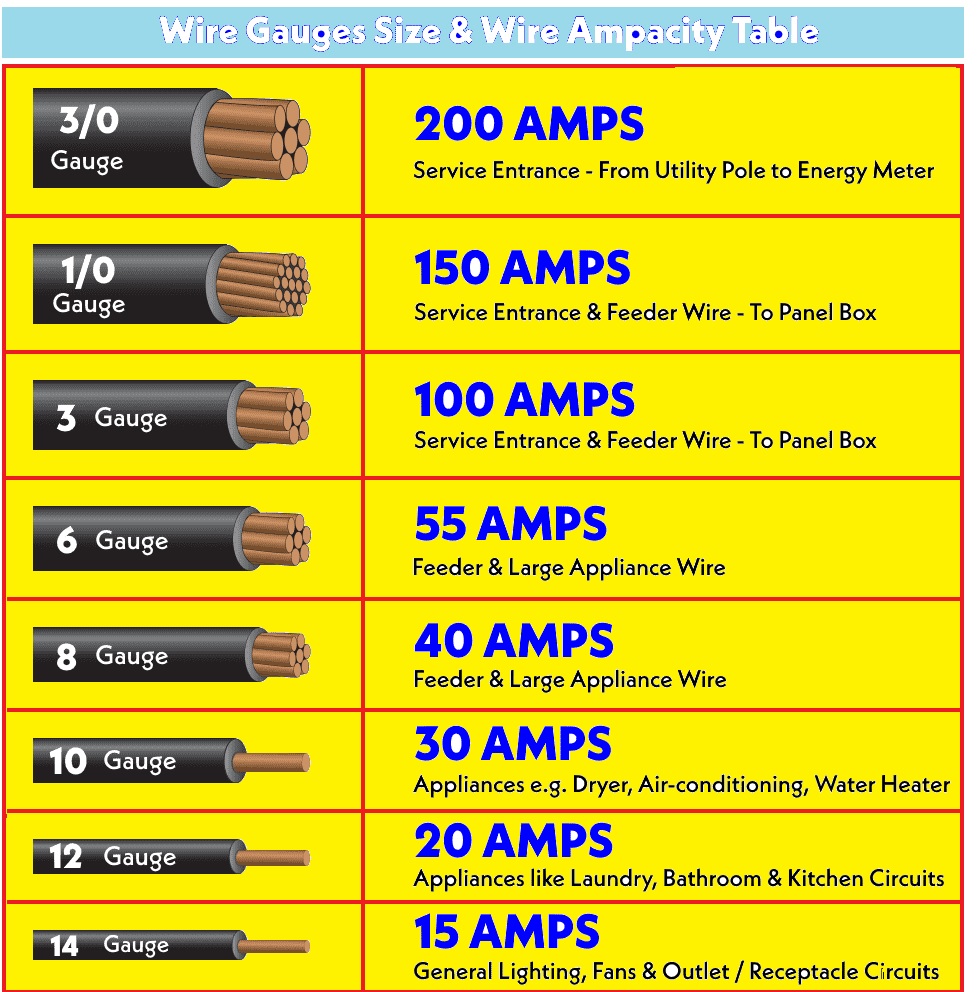
- Distance Matters: If you're running wire an incredibly long distance, voltage drop can become an issue. For general home runs, 10 AWG for 30 amps is fine, but for super long stretches, an electrician might recommend going up a size to compensate.
- Insulation Type: Different wire insulation types can handle different temperatures, which in turn affects their current carrying capacity. For home wiring, you'll typically see Romex (NM-B), which is rated for 90°C, but usually calculated at 60°C or 75°C for practical purposes. Don't worry too much about this for now, just know that professional electricians are aware of it!
When in Doubt, Don't Be a Hero!
Look, I love a good DIY project as much as the next person. But messing with electricity isn't like trying to assemble IKEA furniture (though that can feel just as dangerous sometimes). If you're unsure about anything – the wire size, the type of breaker, the actual installation process – please, for the love of all that is not on fire, call a qualified electrician. They live and breathe this stuff. They know the National Electrical Code (NEC) backwards and forwards, and they'll ensure your house stays connected without becoming a toasted marshmallow.
And remember, always, always turn off the power at the main breaker before you even think about touching electrical wires. Safety first, folks. Because while a flickering light can be charming, a full-on electrical fire is decidedly less so.
So, there you have it! The thrilling saga of wire size for a 30 amp breaker. Now you can confidently tell your friends at the next dinner party that for 30 amps, it’s 10 AWG wire, and why anything else is just asking for trouble. You're practically an electrical guru now! Just maybe don't start charging for your services yet.