
Wire 2 12v Batteries To Make 24v
Ever found yourself scrolling through dreamy Instagram feeds of remote cabins, sleek van conversions, or even just a perfectly powered outdoor cinema setup, and wondered how they make it all happen? Often, the secret sauce behind these off-grid wonders isn't some mystical energy source, but rather a clever little trick involving your everyday 12V batteries. Today, we're diving into the wonderfully empowering world of wiring two 12V batteries to conjure up a mighty 24V system. It’s less wizardry, more practical magic, and totally within your grasp!
You might be asking, "Why 24V?" Great question! While 12V is the standard for many small gadgets and automotive uses, stepping up to 24V brings a host of benefits, especially for larger, more demanding applications. Think increased efficiency for your solar charging system, more powerful inverters for AC appliances, or simply running those beefier RV components with less fuss. It’s like upgrading from a cozy garden hose to a robust fire hose – more oomph when you need it.
The Core Concept: Series Wiring Simplified
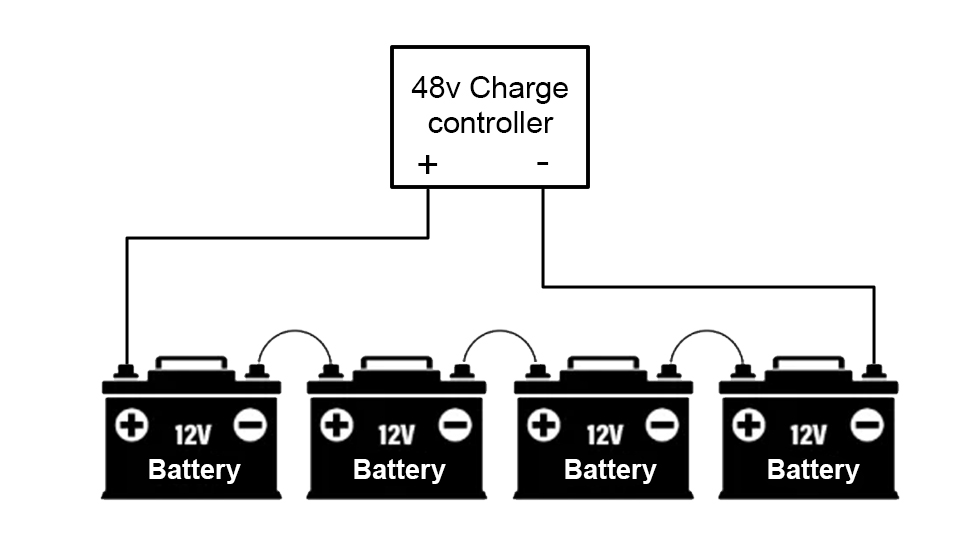
The key to transforming two 12V batteries into a single 24V power source lies in a method called series wiring. Imagine linking hands with a friend: your combined reach is greater than either of yours alone. In electrical terms, you’re connecting the positive terminal of one battery to the negative terminal of the other. This creates a longer "chain" of voltage, effectively doubling your potential while keeping the amperage (the flow) the same. It's a fundamental principle, much like how many household remote controls get 3V from two 1.5V AA batteries.
Must Read
Crucial Tip Number One: Matching Matters! For series wiring, it's absolutely vital that you use two batteries that are as identical as possible. Think of them as synchronized swimmers; they perform best when they're perfectly matched in age, size, type (e.g., both deep cycle AGM), and capacity (Ah). Mismatched batteries can lead to uneven charging, reduced performance, and a shorter lifespan for both. Don't cheap out here; your future self will thank you.
Gearing Up & Safety First!
Before you even think about touching terminals, let's talk safety. Electricity, even at 12V or 24V, demands respect. This isn't just a friendly suggestion; it's a golden rule. Always have the right gear:

- Safety Glasses: Protect your eyes from sparks or battery acid.
- Insulated Gloves: A barrier between you and potential shocks.
- Wrench: For tightening battery terminal connections.
- Properly Sized Battery Cables: These need to handle the current without overheating. Consult a wire gauge chart if you're unsure.
- Two Identical 12V Batteries: As discussed, this is non-negotiable!
And remember, work in a well-ventilated area. Batteries can release hydrogen gas, which is flammable. Better safe than sorry, always.
The Wiring Magic: Step-by-Step
Ready? Let's make some power!

- Position Your Batteries: Place your two 12V batteries side-by-side or end-to-end, making sure their terminals are easily accessible.
- The Series Connection: Take one of your battery cables. Connect the positive (+) terminal of Battery 1 to the negative (-) terminal of Battery 2. This is your critical series link. Tighten the connections securely, but don't overtighten and strip the posts.
- Identify Your 24V Outputs: Now you're left with two open terminals: the negative (-) terminal of Battery 1 and the positive (+) terminal of Battery 2. These are your new 24V negative and positive outputs, respectively!
- Verify with a Multimeter: This is where the magic becomes measurable. Set your multimeter to measure DC voltage. Touch the red probe to the open positive terminal of Battery 2 and the black probe to the open negative terminal of Battery 1. You should see a reading of approximately 24V (give or take a little, depending on the batteries' charge state). Voila! You’ve just created a 24V power source!
At this point, you can connect your 24V loads (like your inverter or solar charge controller) to these newly created 24V output terminals. Just ensure your cables are properly sized for your application.
Why It's Worth It: Beyond the Volts
Beyond the technical achievement, there's a profound satisfaction in understanding and building your own power system. This simple wiring trick opens doors to greater energy independence, whether you're powering a tiny home in the wilderness, keeping your RV fridge humming through a long weekend, or simply having a robust backup system for those unexpected power outages. Higher voltage systems generally mean less current for the same amount of power, which translates to thinner, more cost-effective wiring and less energy loss as heat – a win-win for efficiency and your wallet.
Learning how to harness and manage power gives you a sense of control and resilience in an increasingly complex world. It's a tangible skill that connects you to the physical laws of the universe and empowers you to build the life you envision, one volt at a time. So go ahead, plug in, power up, and enjoy the fruits of your electrifying ingenuity!

