
Winds Of A Category 5 Hurricane
Ever found yourself watching a weather report and hearing about a Category 5 hurricane, feeling a mix of awe and a little bit of shiver down your spine? It's a natural reaction! There's something incredibly compelling about the raw power of nature, and the winds of a Category 5 hurricane are perhaps its most dramatic display. Understanding these incredible forces isn't just about scary headlines; it's about appreciating the sheer energy of our planet's atmosphere and, importantly, knowing how to respect it. It's a topic that captivates many, from the casual observer to the dedicated weather enthusiast, because it truly showcases Earth's might.
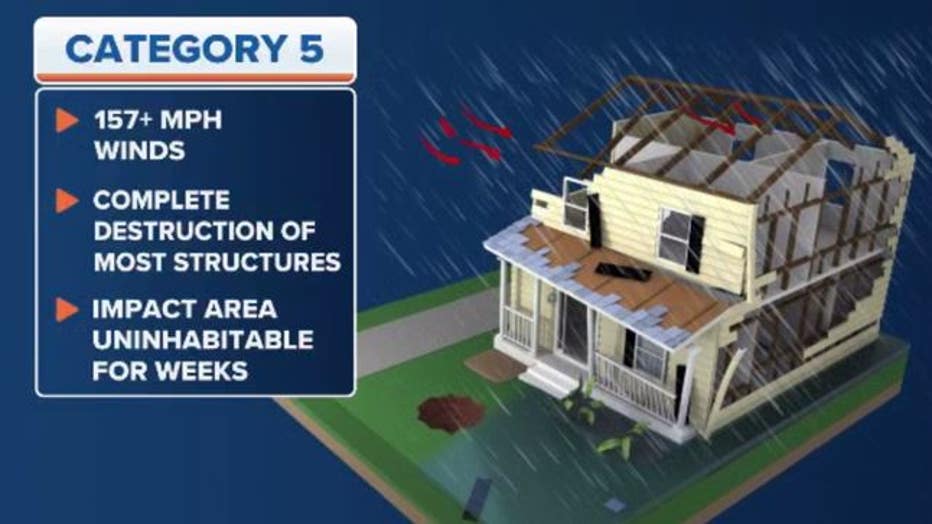
So, why dive into the world of these super-strong winds? For beginners, it’s a fantastic way to grasp the basics of extreme weather. Learning what makes a Category 5 so unique on the Saffir-Simpson scale (sustained winds of 157 mph or higher!) helps demystify weather alerts and underscores the importance of preparedness. You'll gain a greater appreciation for why authorities issue mandatory evacuations and what those wind speeds actually mean in terms of potential impact.
For families, this knowledge can be invaluable. It provides a starting point for discussions about safety, emergency plans, and why we listen to meteorologists. Explaining the power of these winds in an age-appropriate way can turn anxiety into understanding, fostering a healthy respect for nature without undue fear. It's about empowering everyone to make smart decisions when severe weather threatens.
Must Read
And for the hobbyists among us – the armchair meteorologists and weather buffs – exploring Category 5 winds offers a deeper appreciation for atmospheric science. You might delve into the dynamics of the eyewall, the role of warm ocean waters, or how these winds interact with structures. Comparing the effects of a Cat 5's relentless battering to, say, a fleeting strong tornado, highlights the distinct challenges and destructive potential unique to hurricanes.
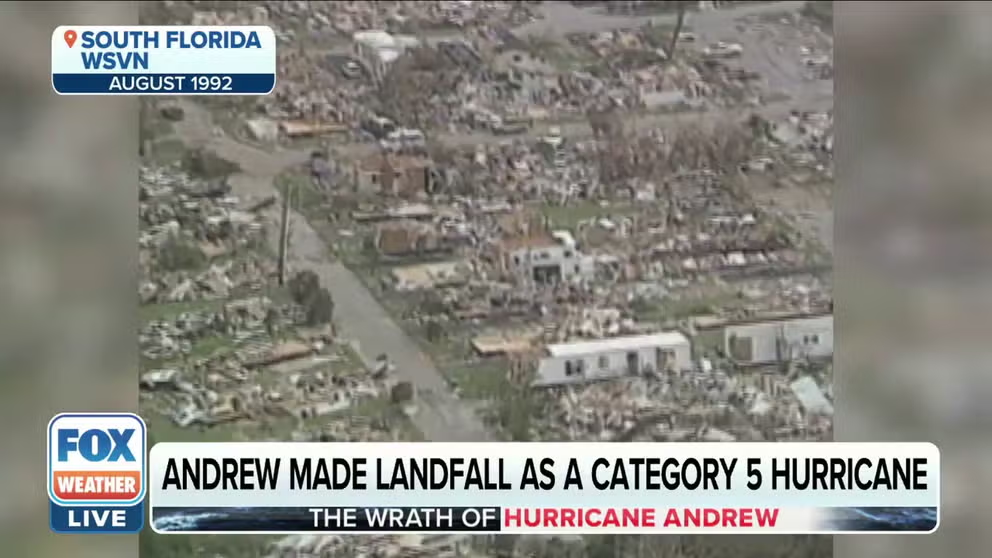
Imagine winds so strong they don't just bend trees, but uproot them entirely. They can rip roofs off sturdy homes, turn everyday objects into dangerous projectiles, and leave entire landscapes scarred and unrecognizable. Historically, hurricanes like Andrew (1992), Dorian (2019), and even the devastating storm in Galveston (1900) at its peak, have demonstrated this terrifying power, leaving indelible marks on communities. It's not just about the speed; it's the sustained force over hours that causes catastrophic damage.
Ready to "get started" in understanding these powerful winds? Here are some simple tips: First, always listen to official weather forecasts from reputable sources like the National Hurricane Center. Second, familiarise yourself with the Saffir-Simpson Hurricane Wind Scale; knowing what each category signifies is a crucial first step. Third, explore documentaries or online resources that visually explain the mechanics of hurricanes – seeing the satellite imagery or storm simulations can be incredibly enlightening. And finally, if you live in a hurricane-prone area, develop and practice a family emergency plan. This isn't just about the winds; it's about being ready for all aspects of a major storm.
Ultimately, learning about the awesome winds of a Category 5 hurricane isn't about fear; it's about fascination, respect, and preparedness. It's about marveling at the planet's incredible forces and feeling more confident and capable in understanding the world around us. So go ahead, stay curious, and keep an eye on the sky – from a very, very safe distance!


