Will Natural Gas Make You Sick

Ever wonder about the invisible force that heats your home, cooks your dinner, and warms your shower? We’re talking about natural gas! It’s such a common part of modern life that we often don't give it a second thought. But, in a world where we’re increasingly curious about what’s happening in our homes, a very natural question arises: "Will natural gas make you sick?" It’s a great question, not just out of concern, but out of a healthy curiosity to understand the things we live with every single day. Let's peel back the layers and explore this fascinating, fiery friend.
At its core, natural gas is a fossil fuel, primarily made up of methane (CH4). Its purpose in our daily lives is nothing short of transformative. It’s an incredibly efficient and versatile energy source. Think about the comforting warmth of your home on a chilly morning – that's likely natural gas at work. Or the instant flame on your stovetop, ready to whip up a delicious meal. The benefits of natural gas include its relatively clean burning properties compared to other fossil fuels, its abundance, and its ability to deliver energy directly to our homes for immediate use. It fuels power plants, heats water, dries our clothes, and even plays a role in various industrial processes, from manufacturing to fertilizer production.
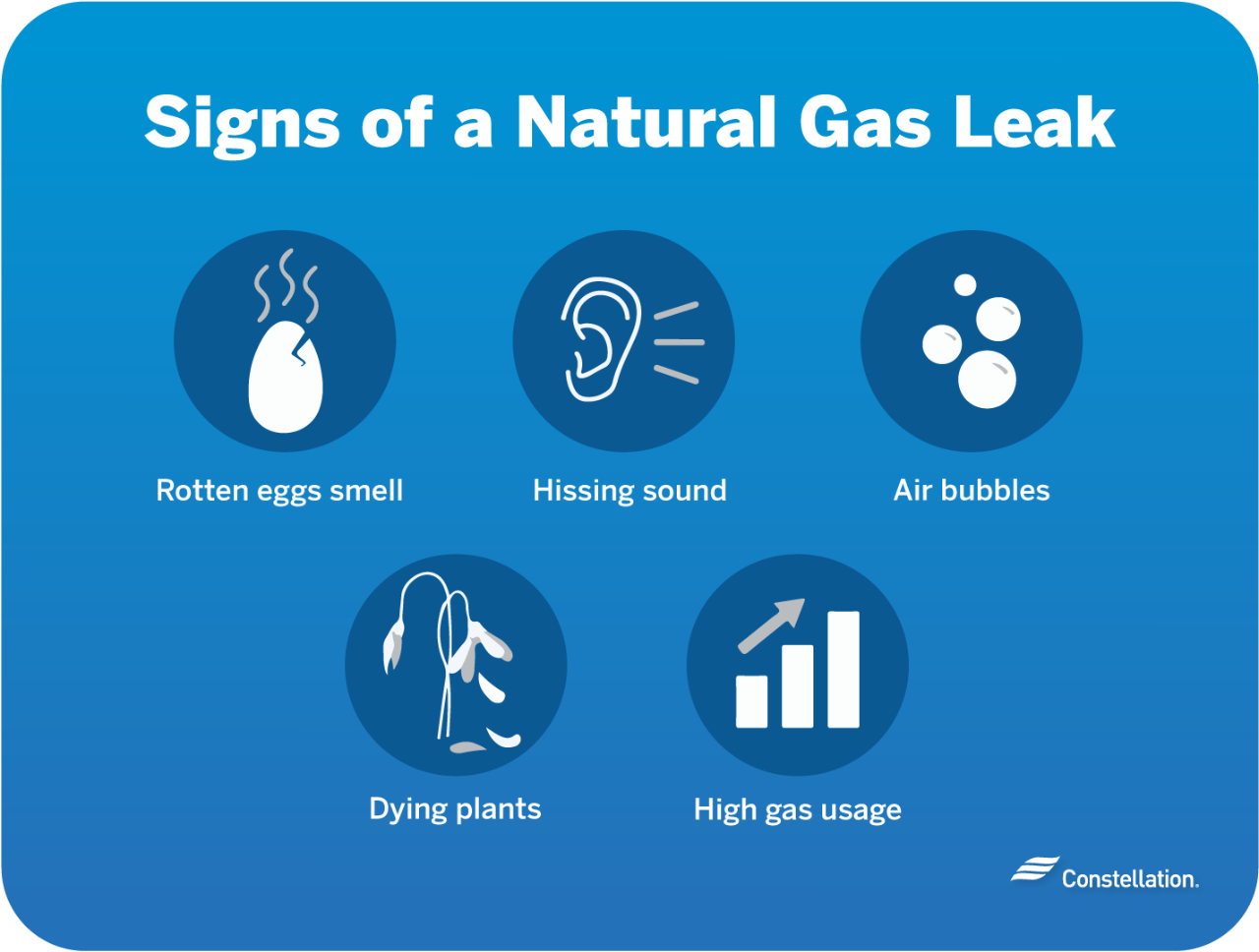
So, back to the big question: will it make you sick? The answer is nuanced, and it depends on whether we're talking about unburned natural gas or the products of its combustion. Unburned natural gas, primarily methane, is generally considered non-toxic in small, well-ventilated amounts. However, it's incredibly dangerous for two main reasons: it’s an asphyxiant, meaning high concentrations can displace oxygen in the air, leading to suffocation. And perhaps more famously, it's highly flammable and explosive. To keep us safe, utility companies add a distinct, rotten-egg smell (a chemical called mercaptan) to natural gas, so you’ll know immediately if there’s a leak.
Must Read
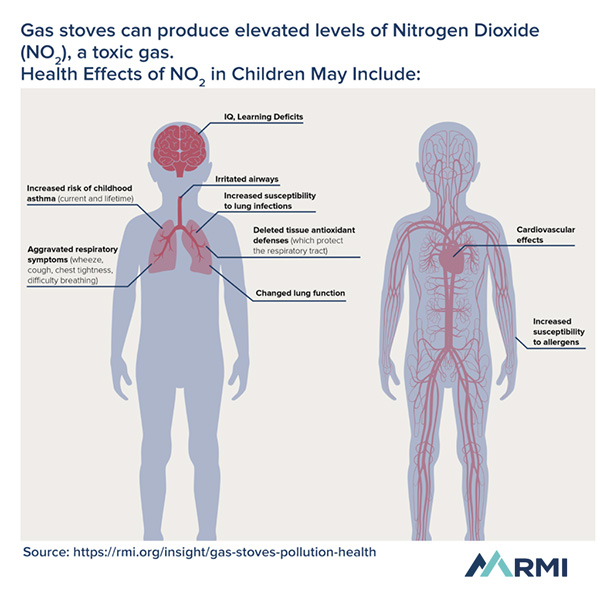
The bigger concern for health often comes from the combustion products if appliances aren't working correctly or ventilation is poor. When natural gas burns, it ideally produces water vapor and carbon dioxide. But if combustion is incomplete, it can produce carbon monoxide (CO) – a colorless, odorless, and highly toxic gas often called the "silent killer." Exposure to CO can lead to headaches, dizziness, nausea, and in severe cases, unconsciousness and death. Another potential byproduct is nitrogen dioxide (NO2), especially from unvented gas stoves, which can irritate the respiratory system and worsen conditions like asthma. This is why indoor air quality is such a hot topic when discussing gas appliances.
Now for the practical tips! Exploring this topic doesn't mean becoming an expert, but being aware and proactive. First and foremost, install carbon monoxide detectors on every level of your home, especially near sleeping areas. These are your guardians against the invisible threat of CO. Second, ensure proper ventilation. Always use your range hood when cooking with gas, and make sure your furnace, water heater, and dryer vents are clear and unobstructed. Have your gas appliances regularly inspected and serviced by a qualified professional – think of it like an annual check-up for your home's energy system. And if you ever smell that distinctive rotten-egg odor of mercaptan, evacuate immediately and call your gas utility company from a safe distance. Understanding how natural gas works and how to use it safely allows us to enjoy its many benefits without unnecessary worry, keeping our homes both warm and healthy.