
Will Melatonin Make You Gain Weight

Okay, so picture this: You're at a café, scrolling through the internet, and suddenly BAM! You stumble upon the question that's been haunting your dreams (pun intended!): "Will Melatonin Make Me Gain Weight?!" You lean in, latte steaming in your hand, and think, "Hold up, could my sleep aid be secretly plotting against my waistline?" Let's dive in, shall we?
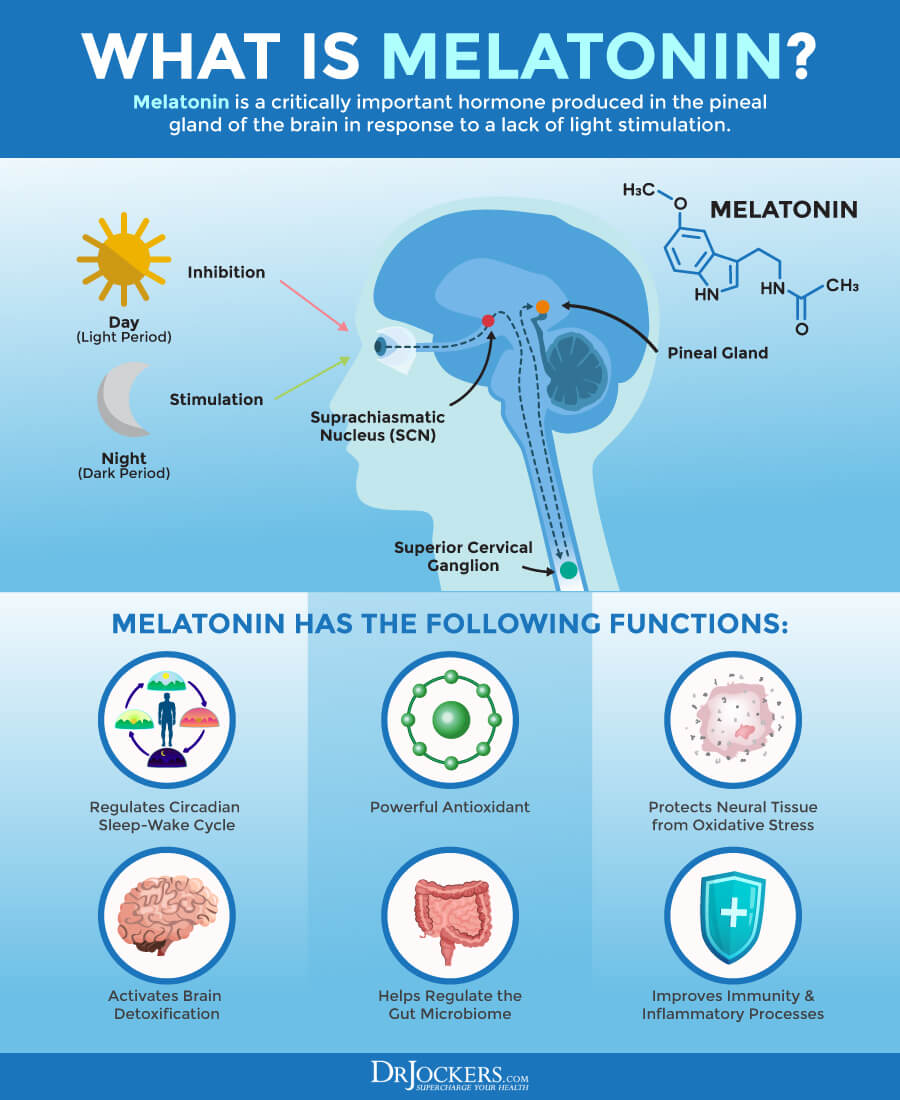
First off, let's get the serious bit out of the way. The short answer is: probably not. Melatonin is a hormone your body naturally produces to regulate sleep. It's basically the conductor of the sleep symphony, cueing up those sweet, sweet Zzz's.
Think of it this way: melatonin is like the bouncer at the nightclub of your brain. It doesn't make the party happen, it just politely escorts everyone to the designated chill-out zone. No bouncer ever caused a pizza craving, right? (Okay, maybe if they smell really good... moving on!).
Must Read
The Usual Suspects (And Why They're Not Melatonin's Fault)
Now, here's where things get interesting. While melatonin itself is unlikely to directly cause weight gain, let's consider the potential accomplices. These are the factors that might be lurking in the shadows and contributing to the scale creeping upwards.
1. Late-Night Snacking Shenanigans: Let's be honest, if you're taking melatonin late at night, are you reaching for a celery stick or a family-sized bag of chips? Melatonin might help you fall asleep, but it can't stop you from sleepwalking to the fridge and engaging in some midnight munchies. That's all on you (and maybe the hypnotically delicious chips).
2. Sleep Deprivation Drama: Ironically, not getting enough sleep can actually lead to weight gain. When you're chronically sleep-deprived, your body produces more of the hunger hormone ghrelin and less of the satiety hormone leptin. Basically, your body thinks it's starving, even when it's not. So, if melatonin helps you get a solid night's sleep, it could indirectly prevent weight gain by regulating those hormones. Talk about a plot twist!
3. Sweet Dreams, Sweet Treats: Sometimes, melatonin supplements come in gummy form. Delicious, I know! But those gummies often pack a sugary punch. It's like taking your sleep aid with a side of candy. Check the labels, folks! Excessive sugar intake is a weight gain villain in disguise.
4. The "It's-My-Melatonin" Excuse: Let's face it, sometimes we use things as excuses. "Oh, I gained weight? It must be the melatonin!" Maybe it's the melatonin, maybe it's the three pizzas you ate last week. Honesty is the best policy, especially with yourself (and your bathroom scale).
The Supporting Cast (Benefits of Sleep)
Here's the cool part: good sleep (which melatonin can help with) has a whole bunch of benefits that support weight management. Who knew?!
Improved Metabolism: Quality sleep helps regulate your metabolism, which is basically your body's engine for burning calories. A well-tuned engine burns more fuel efficiently. Simple as that!
Reduced Stress: Sleep deprivation can increase stress hormones like cortisol. Chronic stress can lead to weight gain, particularly around the abdomen (the dreaded "stress belly"). So, good sleep can help keep your cortisol levels in check and prevent unwanted spare tires.
Better Exercise Performance: When you're well-rested, you're more likely to have the energy and motivation to exercise. And we all know exercise is a key player in the weight management game. You can't conquer the treadmill on fumes!
The Verdict: Melatonin, Friend or Foe?
So, is melatonin your weight loss ally or your waistline's worst nightmare? The evidence suggests it's more of a helpful sidekick than a villainous mastermind. It's there to help you get the sleep you need, which can indirectly support your weight management goals. However, it's not a magic weight loss pill (sorry to burst your bubble!).
The key takeaway? Focus on a holistic approach. Eat a balanced diet, get regular exercise, manage stress, and prioritize sleep. And if you're considering taking melatonin, talk to your doctor first, especially if you have any underlying health conditions. They can help you determine if it's right for you and advise on the appropriate dosage.
Ultimately, the story of your weight is a complex and personal one. Melatonin might play a small role, but it's just one chapter in a much larger book. So, relax, get some sleep, and don't let melatonin keep you up at night worrying!
Now, if you'll excuse me, I'm suddenly craving a nap… and maybe a small celery stick (no promises!).