
Will Carbon Monoxide Detector Detect Natural Gas
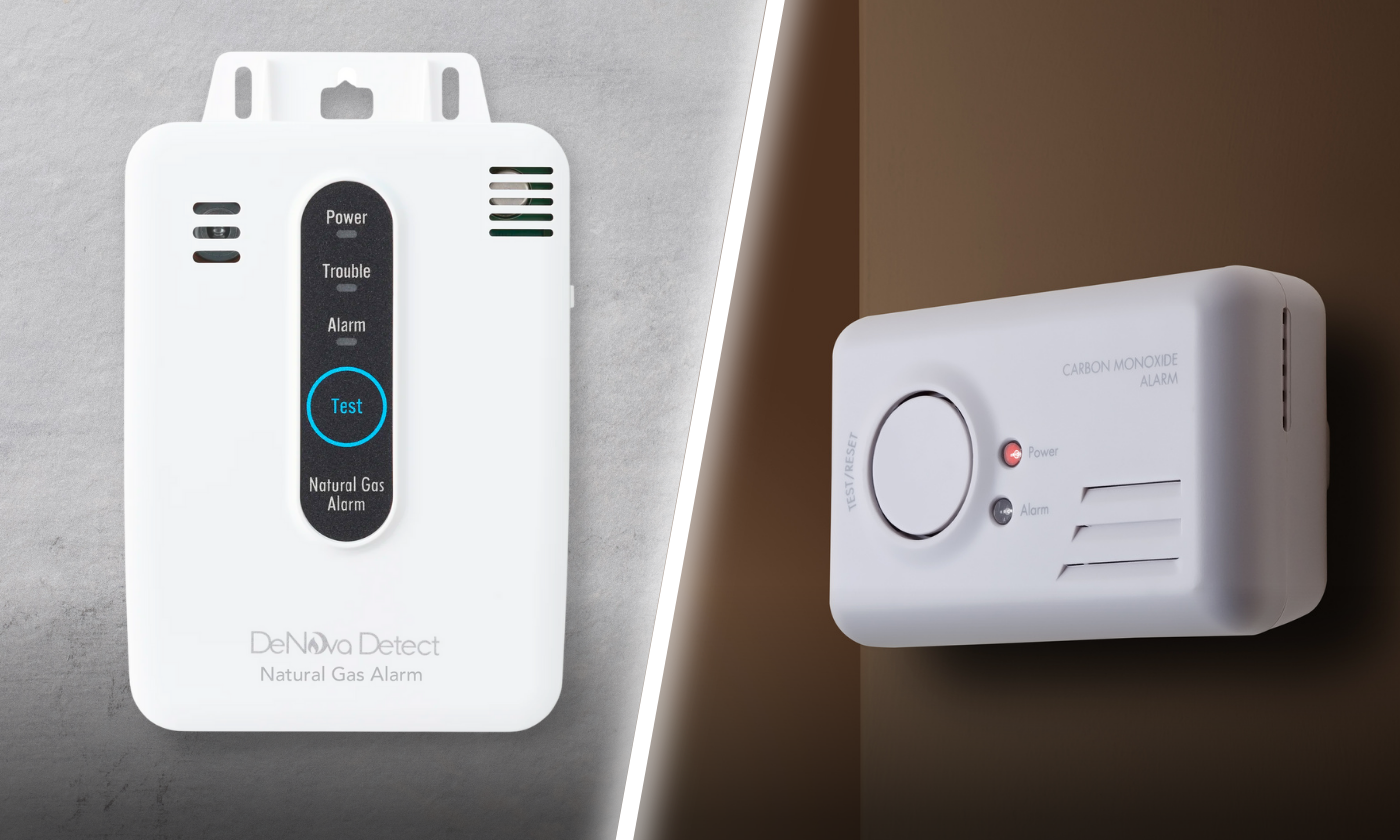
Okay, let's talk about something that's been bugging me. Something that I feel is woefully misunderstood. Something that might even make some people yell at their screens. I'm talking about carbon monoxide detectors and… natural gas. Specifically, whether those trusty little beepers can sniff out a natural gas leak.
The Great Detector Debate
Now, before everyone jumps down my throat, I know the official answer. The one you'll find plastered all over the internet, and probably even in the instruction manual for your detector: "No! Carbon monoxide detectors only detect carbon monoxide!"
And look, I get it. It's a safety issue. You can't go around thinking your CO detector is protecting you from everything that goes "poof" in the night. But hear me out.
Must Read
Here's my slightly unpopular opinion: I think they kind of can.
Now, now, hold your horses. I'm not saying they're specifically designed to detect natural gas. They're not gas detectives wearing tiny trench coats. But I think there's a correlation, a connection, a… whiff of possibility.

My (Highly Scientific) Observation
Let me tell you a story. Years ago, I lived in an older house. A charming house. A charmingly drafty, poorly insulated house with… a questionable gas line. One day, I smelled that distinctive "rotten egg" smell that they add to natural gas (because, you know, pure natural gas is odorless and that would be way too easy). It was faint, but definitely there.
My CO detector? It went absolutely bonkers. Screaming its little electronic heart out.
Did it know it was natural gas? Probably not. But did the presence of natural gas somehow trigger it? I strongly suspect so. Maybe it was the incomplete combustion, maybe it was the sheer volume of gas displacing the air... I don't know the science! But I know what happened!
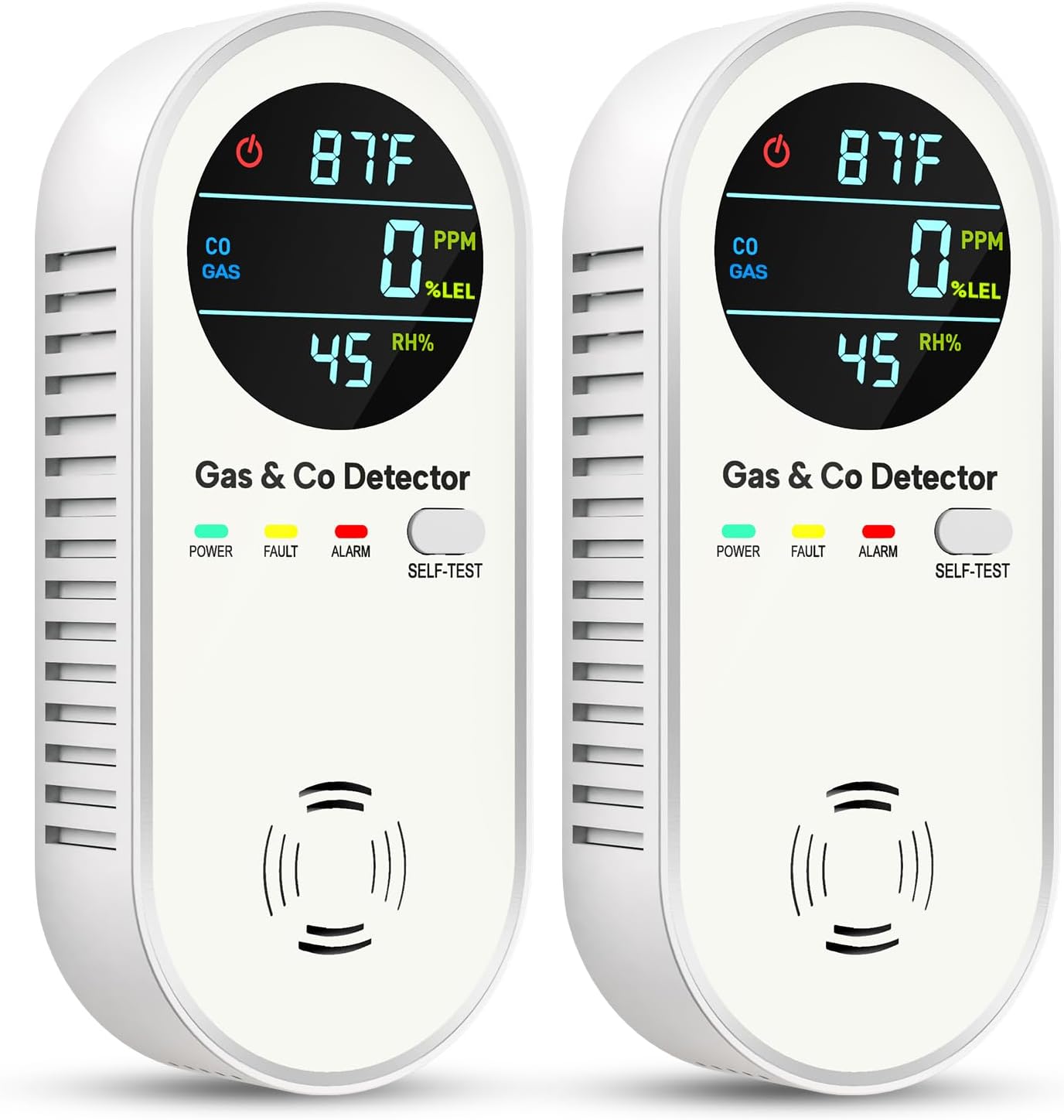
And I've heard similar stories from other people. People who noticed a funny smell and then, BAM, the CO detector starts chirping like a crazed canary.
The Disclaimer (Because Lawyers)
Now, before anyone takes this as gospel, let's get something crystal clear: This is not official advice! DO NOT RELY SOLELY ON YOUR CARBON MONOXIDE DETECTOR TO DETECT NATURAL GAS LEAKS. If you smell gas, evacuate immediately and call the gas company! That's the responsible thing to do. That's the smart thing to do. That's the thing you should tell your children and your children's children.
But... maybe, just maybe, that CO detector is giving you a little extra heads-up. A little "something's not right" warning. Like a weird, high-pitched, electronic gut feeling.

Why the Confusion?
I think part of the problem is the "carbon monoxide" part of the name. People hear "carbon monoxide" and think it only reacts when a furnace is acting up. But think about it: incomplete combustion happens in all sorts of scenarios.
Maybe a tiny bit of natural gas leaking into the air creates a similar enough atmospheric disturbance to trigger the sensor. Maybe it's a coincidence. Maybe I'm completely wrong. But I still think there's something to it.
Consider this quote from my neighbor, Bob, who's a retired plumber:
"Those detectors aren't perfect, you know. They're sensitive to all sorts of things in the air. Humidity, dust... who knows? It's always better to be safe than sorry."
The Takeaway
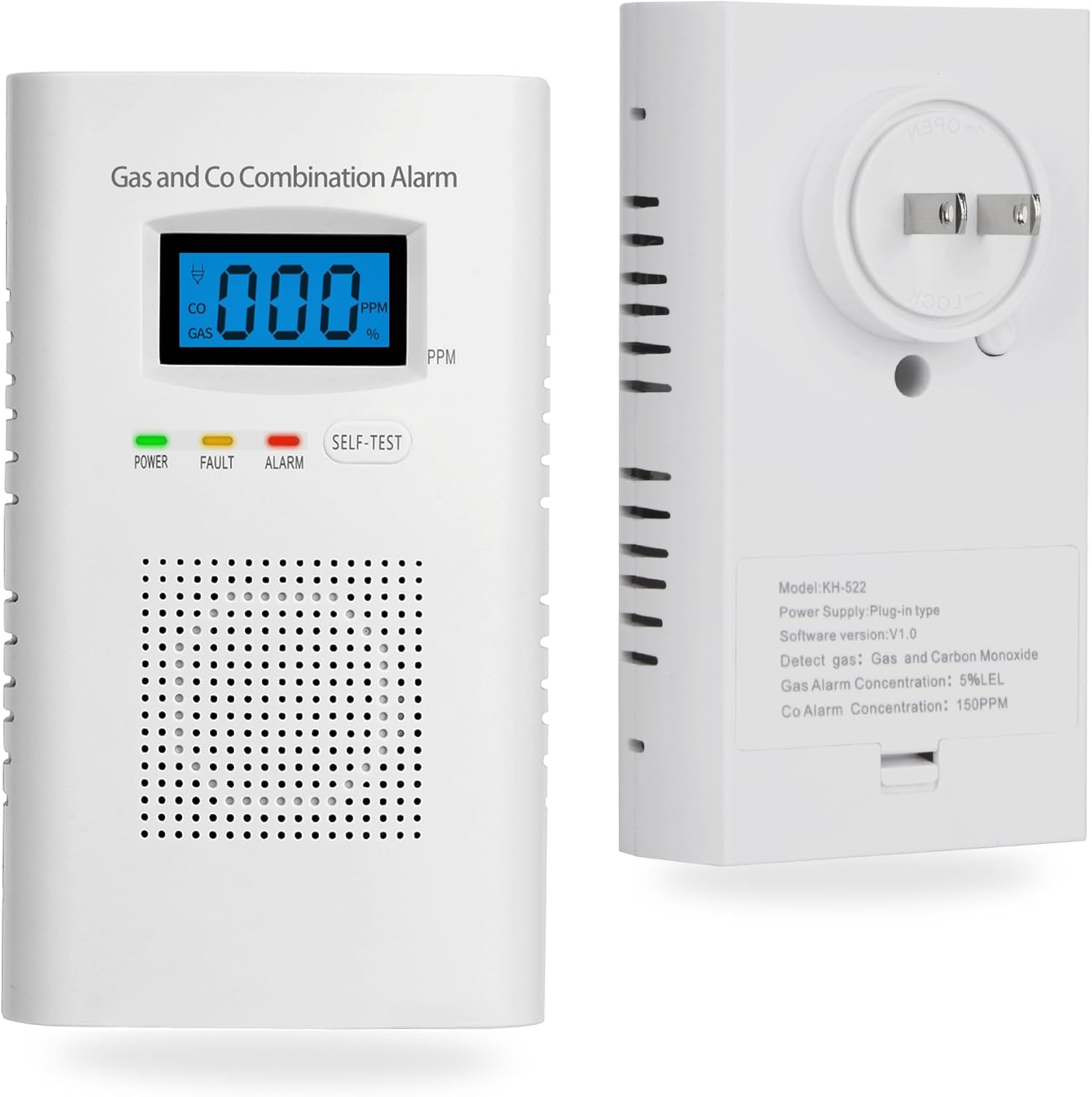
So, what's the takeaway from all this rambling? Firstly, buy a natural gas detector! Seriously. They're inexpensive and could save your life.
Secondly, trust your senses! If you smell gas, don't ignore it. And thirdly... well, maybe don't completely dismiss that CO detector's frantic beeping if you think you smell something funky. Just don't rely on it entirely. Think of it as a backup, a slightly unreliable, but potentially helpful, backup.
And finally, if you disagree with me, that's totally okay! We can agree to disagree. But I'm still going to keep one ear cocked to my CO detector whenever I smell something… suspicious.