Why Would My Ac Not Be Working

Imagine this: It’s the peak of summer, the sun is blazing, and your home, once a cool sanctuary, is now... well, let’s just say it’s embracing its inner sauna. Your AC, your loyal companion against the heat, has decided to take an unscheduled vacation. Frustrating, right? But what if, instead of immediate panic or a costly service call, you could approach this moment with a relaxed curiosity, like a detective on the trail of a fascinating mystery? Learning a little about why your AC might not be working isn't just practical; it's genuinely empowering and can even be a bit fun!
The core purpose of diving into AC troubleshooting isn't necessarily to become a certified HVAC technician overnight, but rather to gain a sense of homeowner empowerment. The benefit? First and foremost, you might just save yourself a significant amount of money by fixing a simple issue yourself. Think of avoiding a service call for something as minor as a flipped circuit breaker! Beyond cost savings, it brings a valuable sense of self-reliance and reduces the stress that comes with unexpected appliance failures. You'll be able to quickly diagnose whether it's a quick fix or if it's genuinely time to call in the pros, allowing you to communicate more effectively and ensure you're getting the right service.
This kind of practical knowledge isn’t just for emergency situations; it has broader applications, much like learning basic first aid for your home’s climate control. In an educational context, understanding how an AC works and what can go wrong teaches fundamental principles of cause-and-effect, basic electrical systems, and even simple mechanics. It’s a real-world example of systems thinking. In daily life, this knowledge translates into proactive maintenance – remembering to change your air filter regularly, for instance – which significantly prolongs the life of your unit and keeps it running efficiently. Knowing the common culprits helps you avoid unnecessary panic and empowers you to make informed decisions about your home's comfort system.
Must Read
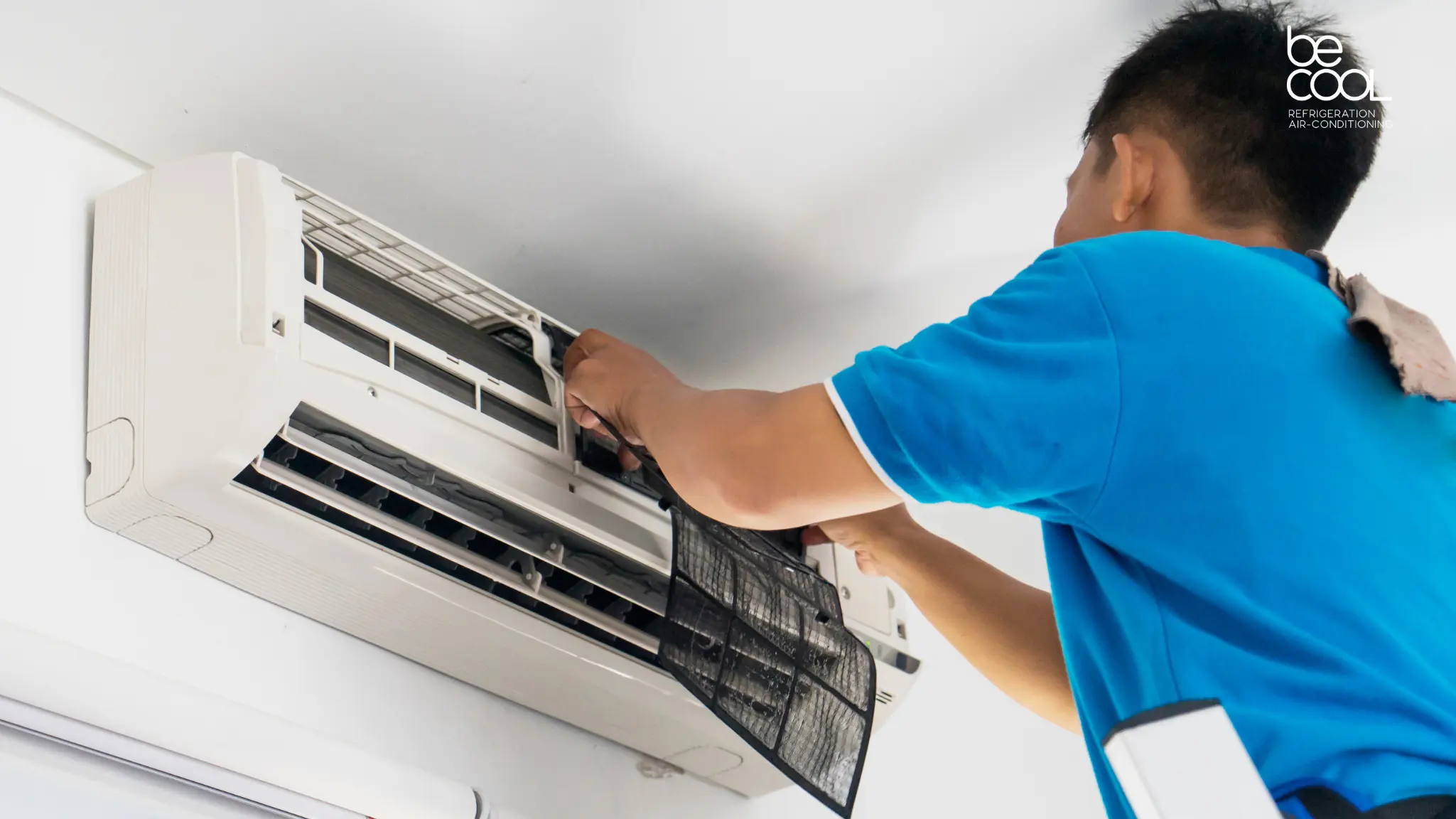
So, how can you become this casual climate detective? Start with the obvious suspects. Is your thermostat actually set to 'cool' and at a temperature lower than the current room temp? Sometimes, the simplest oversight is the biggest culprit. Next, take a peek at your electrical panel. Has a circuit breaker for the AC or furnace unit tripped? A quick flip back might be all it takes. Another common issue is a clogged air filter; a dirty filter can restrict airflow, making your unit work harder or even freeze up. Go check yours! Listen for any unusual noises coming from the indoor or outdoor unit – a humming, grinding, or banging sound can indicate different problems. Visually inspect the outdoor unit for any debris or obstructions. For a slightly deeper dive, you can find a wealth of simple diagnostic videos on platforms like YouTube that walk you through checking for ice on the refrigerant lines or ensuring the outdoor fan is spinning. Remember, always turn off the power to your unit at the breaker before doing any hands-on exploration! By embracing a little curiosity and following these simple steps, you might just discover that your AC mystery has a very straightforward solution, saving you time, money, and your cool.