
Why Would A Carbon Monoxide Detector Beep
You know that sound. The one that rips you from your peaceful reverie, whether it’s a deep sleep or a Netflix binge. It’s not the smoke alarm, thank goodness, but it's a persistent, often frantic, beep coming from that unassuming little disc on your wall or ceiling. We're talking about your carbon monoxide detector, and when it starts to vocalize, it's natural to feel a jolt of panic, curiosity, or perhaps just plain annoyance.
But here’s the thing: that beep isn't always an emergency siren blaring a five-alarm warning. Often, it’s a little domestic drama unfolding right there in your living space. So, let’s decode this mysterious chatter, shall we? Think of it as your home's way of sending you a text message, and we're here to help you read between the lines.
The "Oh No!" Beep: Actual CO Detected
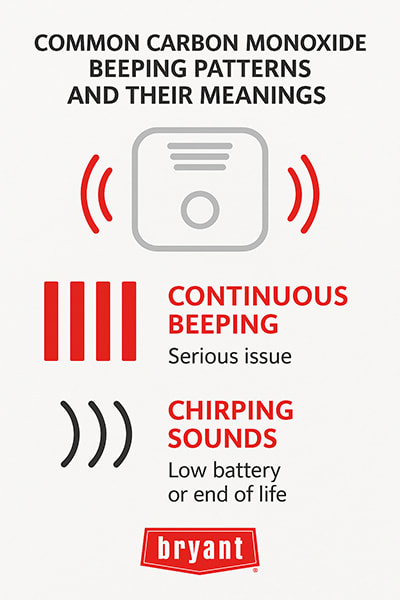
Okay, let's get the serious one out of the way first. If your carbon monoxide detector is letting out a rapid, loud, and continuous series of beeps (usually four beeps followed by a pause, repeated), it means it has detected a potentially dangerous level of carbon monoxide (CO) in your home. This is not a drill.
Must Read
What is CO? It's often called the "silent killer" for a reason. Carbon monoxide is an invisible, odorless, tasteless gas produced by the incomplete burning of various fuels – think furnaces, gas stoves, fireplaces, car exhaust, and even charcoal grills. When inhaled, it replaces oxygen in your bloodstream, leading to symptoms like headaches, dizziness, nausea, and in severe cases, unconsciousness or death. Yikes.
What to do: If your detector signals high CO, your immediate action is crucial. Evacuate immediately. Get everyone, including pets, outside into fresh air. Do not try to find the source. Once everyone is safe, call 911 or your local fire department. They have the equipment to safely investigate the source and clear your home.
The "I'm Getting Tired" Beep: Low Battery
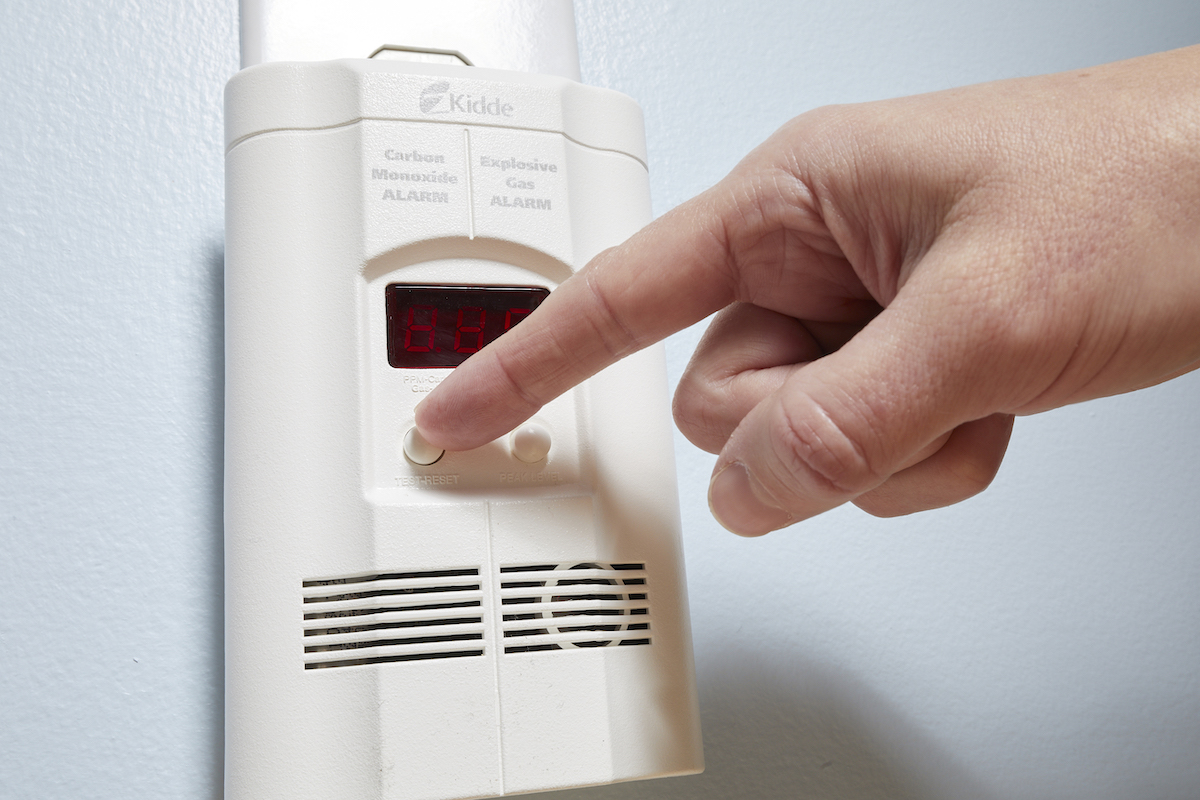
This is, by far, the most common reason your CO detector decides to belt out a tune. It's usually a short, single chirp every 30 to 60 seconds, identical to what your smoke detector does when its battery is low. Annoying? Absolutely. Life-threatening? Nope, just a friendly reminder.
Think of it like your phone when it hits 10% battery – it’s just asking for a little juice. This usually means it's time to swap out those AA or 9-volt batteries. A handy tip? Make it a habit to change your batteries every time you adjust your clocks for Daylight Saving Time. That way, you’re always prepared, and you get to feel like a super-organized adult!
The "My Time is Up" Beep: End-of-Life Warning
Did you know carbon monoxide detectors have an expiration date? It's true! These devices don't last forever. Most CO detectors have a lifespan of 5 to 7 years (though some modern ones can go up to 10). After this period, their sensors can become less accurate, making them unreliable.
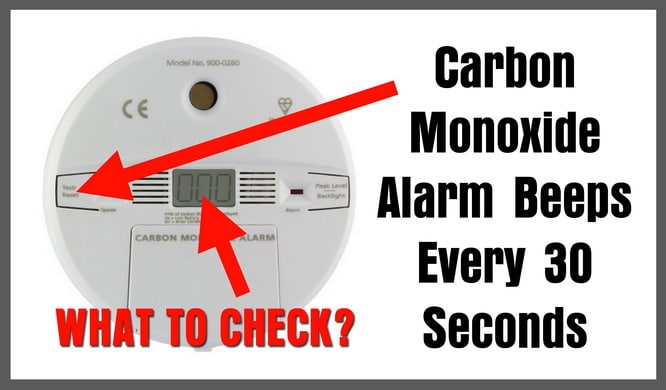
When your detector reaches the end of its operational life, it will often emit a specific warning chirp – usually five beeps every minute, or sometimes a continuous chirp different from the low battery signal. Check your specific model’s manual for its unique end-of-life alert. Consider this its dignified way of saying, "I've served my purpose; time for a replacement." It’s like a car’s odometer telling you it’s time for a new model, but for your safety.
The "Something's Not Right" Beep: Malfunction
Occasionally, your detector might have an internal error or malfunction. This isn't as common, but it can happen. The pattern for a malfunction alert varies by manufacturer but might be a continuous short beep, or three chirps every 30 seconds. Your user manual is your best friend here.
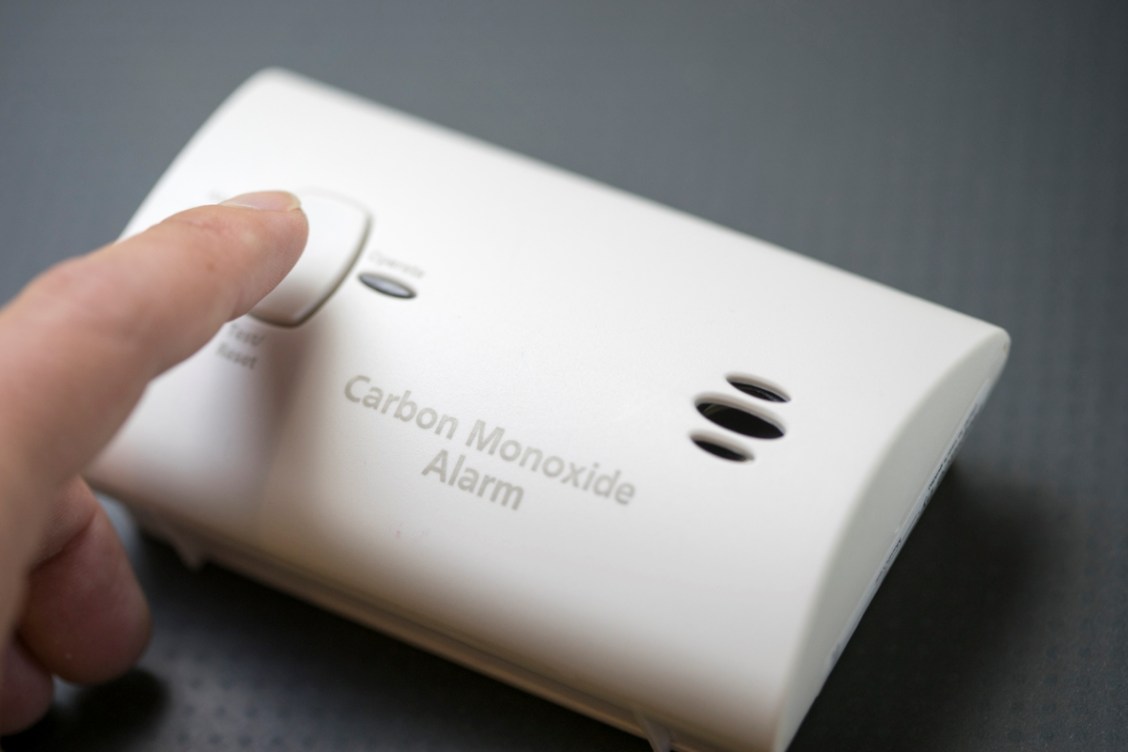
If you've changed the batteries and it's not an end-of-life warning, try resetting the unit (there's usually a small button). If the beeping persists, it’s probably time to replace the detector. Better safe than sorry when it comes to vital safety equipment!
Proactive Living: Keeping Your Detector Happy & You Safer
Beyond understanding the beeps, a little proactive love goes a long way.
- Test Regularly: Just like you test your smoke detectors, push that "test" button on your CO detector monthly. It confirms the battery and alarm are working.
- Placement Matters: Install detectors on every level of your home, especially near sleeping areas. Avoid placing them too close to fuel-burning appliances (furnaces, water heaters) or outside air vents, which can cause false alarms.
- Keep it Clean: A little dust can interfere with the sensor. A quick vacuum with a soft brush attachment or a wipe with a damp cloth a couple of times a year keeps it happy.
- Go Smart: Consider upgrading to a smart CO detector. Many can connect to your home Wi-Fi, sending alerts to your phone even when you're not home – talk about peace of mind!
Ultimately, that seemingly annoying beep from your carbon monoxide detector is a crucial line of defense. It's not just a piece of plastic; it's a silent guardian, working tirelessly to keep you and your loved ones safe. Understanding its language empowers you to react appropriately, turning potential panic into practical action. So, next time it chirps, you’ll be the calm, savvy homeowner who knows exactly what to do. And isn't that a lovely feeling of control in our sometimes unpredictable world?
