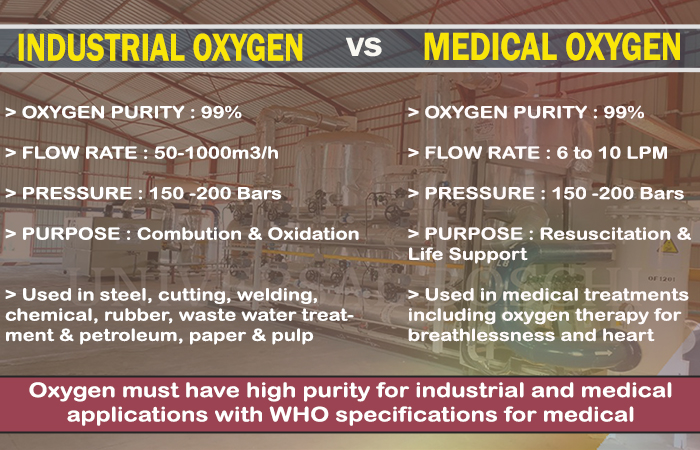
Why Use Medical Air Instead Of Oxygen
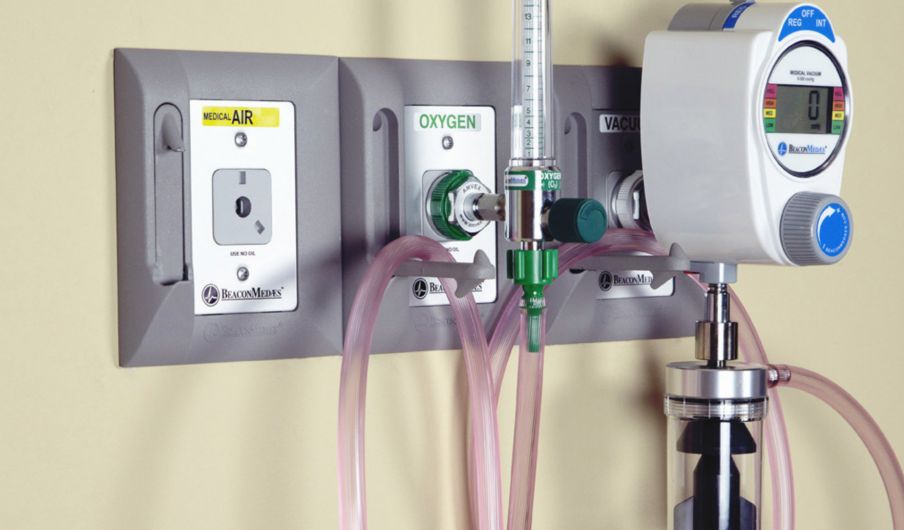
Okay, let's talk air! We breathe it all day, every day, without giving it a second thought. But what if the air you’re breathing isn’t just…air? What if it's something special, tailored for a specific need? Specifically, let’s dive into the world of medical air and why it sometimes gets the nod over pure oxygen in a hospital or clinical setting. No need to get intimidated; we’ll keep it light and breezy!
What's the Big Deal with Medical Air Anyway?
Think of it this way: you wouldn't use dish soap to wash your car, right? You'd use something specifically designed for the job, something that cleans well without damaging the paint. Medical air is kind of like that car-washing soap for your lungs. It's specially formulated for certain medical situations, while oxygen is sometimes the heavy-duty cleaner.
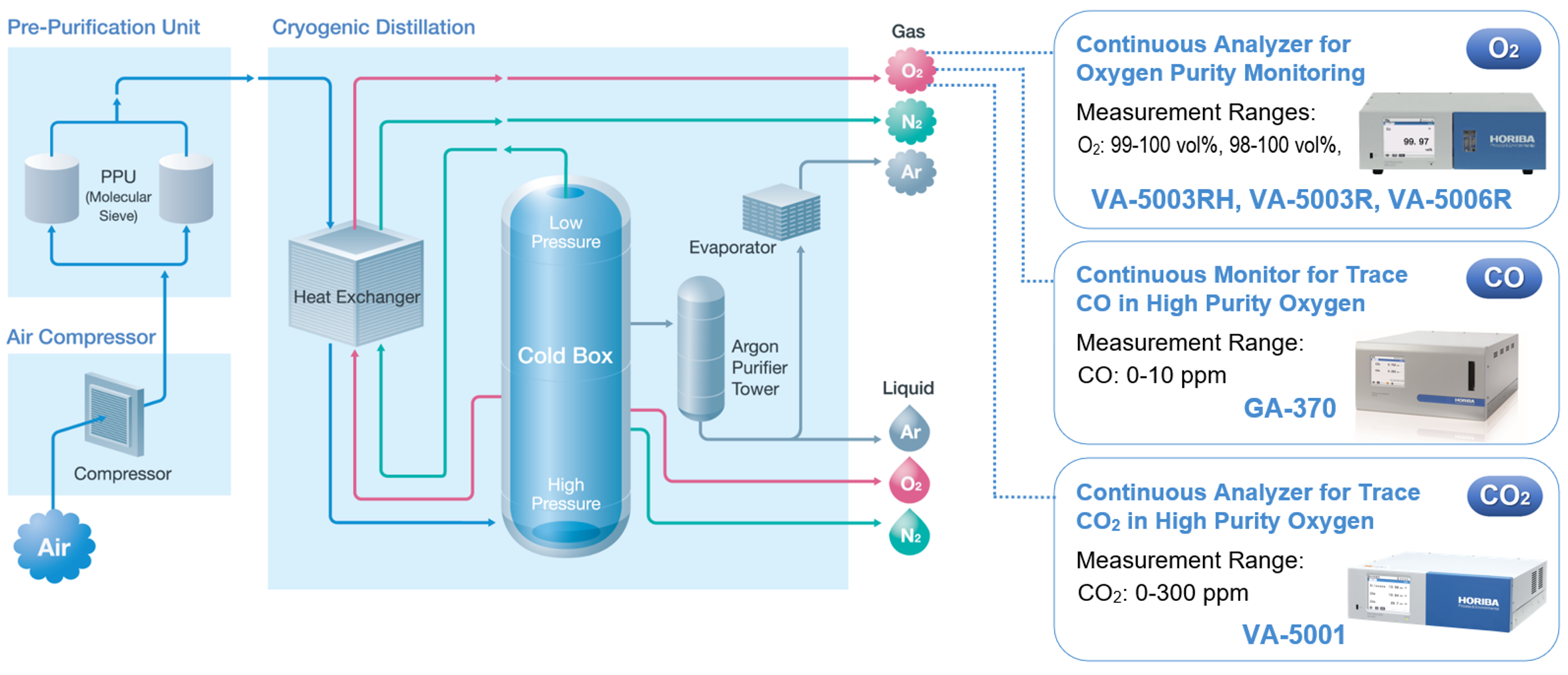
Medical air isn't just regular air from outside pumped into a tank. It's meticulously filtered and compressed to remove contaminants like dust, oil, and water. It must meet stringent standards for purity and dryness. This ensures that when a patient breathes medical air, they're getting the cleanest, safest air possible. Think of it as the difference between drinking water straight from a mountain stream (potentially risky!) and drinking purified bottled water.
Must Read
Oxygen: Powerful Stuff, But Not Always the Best Choice
Now, oxygen is fantastic! It's what keeps us going. We need it to live. It’s like the fuel that powers our cells. In many emergency situations, or when someone is struggling to breathe, pure oxygen is absolutely crucial and can be life-saving.
However, just like too much sugar can be bad for you, too much oxygen can sometimes be detrimental. In certain situations, giving a patient 100% oxygen can actually cause problems. It can, in some cases, damage the lungs. Think of it like overwatering a plant. You might think you're helping it, but you're actually drowning it.
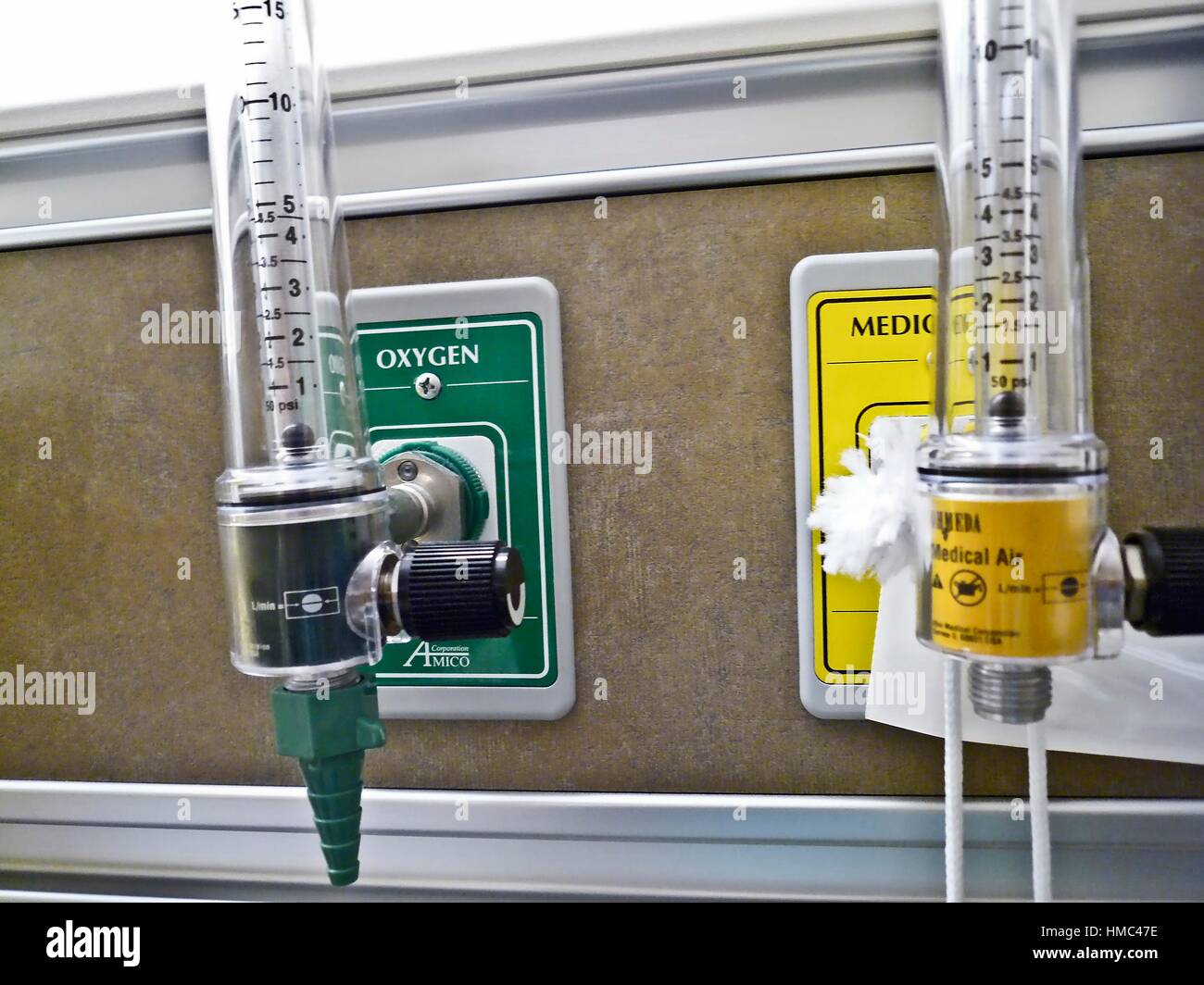
Imagine inflating a balloon. If you pump it full of air too quickly, it might burst. Similarly, flooding the lungs with pure oxygen in certain conditions can cause damage. Medical air, with its more balanced composition, can be a gentler, safer option in these situations.
When Medical Air Takes the Stage
So, when does medical air get its moment in the spotlight?
- Nebulizers: Remember those little machines that turn liquid medicine into a mist you inhale? Medical air is often used to power these nebulizers, especially for patients with conditions like asthma or COPD. It helps deliver the medication directly to the lungs without the potential risks associated with high concentrations of oxygen.
- Ventilators: In some cases, medical air is used in conjunction with ventilators to provide a balanced air mixture for patients who need breathing assistance. The precise blend of oxygen and air can be carefully controlled to meet the individual needs of the patient.
- Incubators: For newborns, especially premature babies, providing the right level of oxygen is critical. Medical air helps create a controlled environment in incubators, ensuring the babies receive the optimal amount of oxygen without risking complications. It's like crafting the perfect climate for a delicate seedling to thrive.
Why Should You Care?
Okay, so you're probably thinking, "This is all interesting, but why should I care about the difference between medical air and oxygen?" Well, you might not need to worry about it directly in your day-to-day life. But understanding the basics can give you a greater appreciation for the complexities of medical care.
Imagine a loved one is in the hospital. Knowing that medical professionals are carefully considering the best type of air to provide, depending on their specific needs, can give you peace of mind. It highlights the fact that healthcare isn't a one-size-fits-all approach. It's about tailoring treatments to the individual.

Furthermore, understanding the importance of clean, contaminant-free air reinforces the importance of clean air in general. We all breathe air, and clean air is essential for everyone's health. Thinking about the meticulous filtration of medical air might make you appreciate the air filters in your home or office a little bit more!
The Bottom Line
Medical air isn’t just a fancy name for regular air. It's a carefully prepared mixture designed for specific medical purposes. While oxygen is essential and often life-saving, it's not always the best option for every situation. Medical air offers a gentler, safer alternative in certain cases, helping to ensure the best possible outcome for patients. So, next time you hear about medical air, you'll know it's not just "air," but a carefully considered part of the healing process.