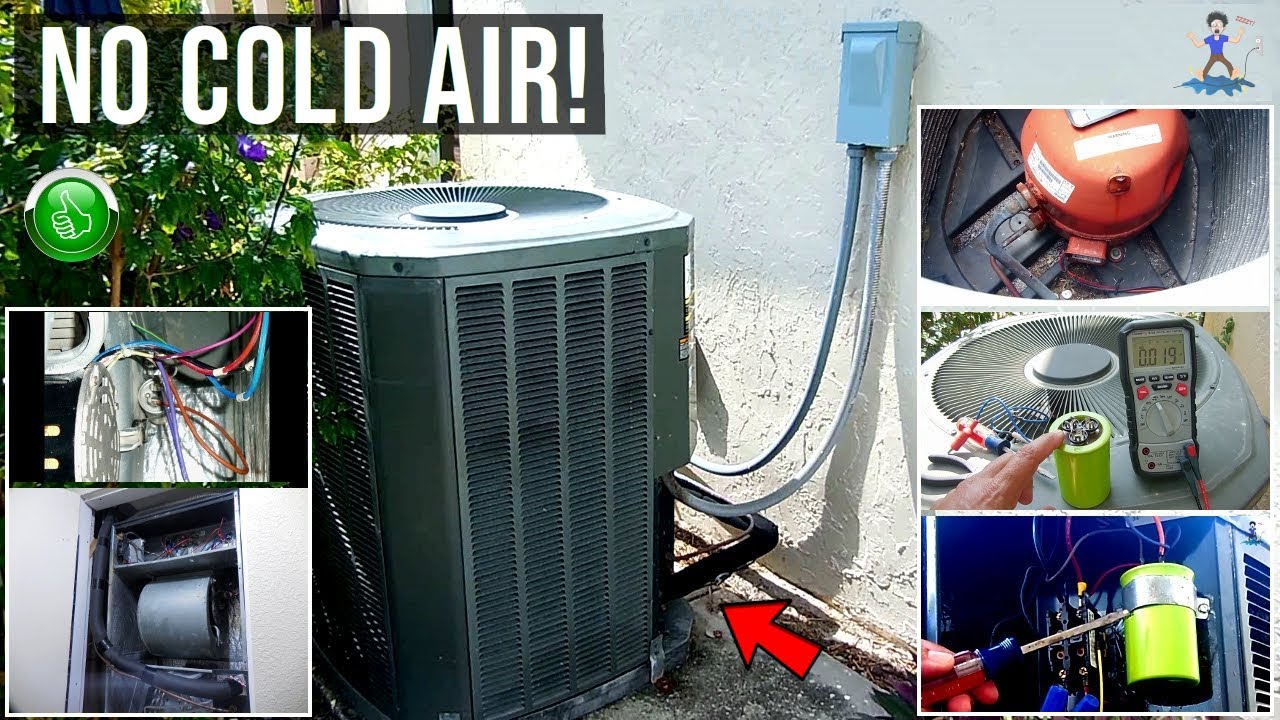
Why Isn't My Central Ac Working

Hot summer day, sun blazing, you walk in, ready for that glorious blast of cool air. You hit the thermostat, wait, and… nothing. Or worse, a sad, lukewarm whisper. Sound familiar? We’ve all been there, staring at a silent AC unit, feeling the dread creep in like an uninvited humidity monster. But before you succumb to a full-blown meltdown worthy of a reality TV show, take a deep breath (preferably one that's not already stiflingly warm!). Your central AC might just be throwing a temporary tantrum, and often, the fix is simpler than you think.
The "Is It Plugged In?" Moment (Simple Checks)
This is where we channel our inner detective, starting with the most obvious culprits. Think of it like troubleshooting your Wi-Fi – sometimes, the answer is right in front of you.
First, check your thermostat. Is it set to "Cool" and not "Fan Only"? Is the temperature set lower than the current room temp? Sometimes, it's just a matter of dead batteries. A fresh set might be all it needs to wake up and smell the cool air. It’s like when your phone won’t turn on, and you realize it just needed a charge – a classic "duh" moment we all experience.
Must Read
Next, head to your electrical panel (usually in the garage or basement) and check the circuit breaker. Your AC draws a lot of power, and sometimes, for safety, a breaker might trip. Look for one that's flipped to the "off" or middle position. A simple flip back to "on" could bring your system back to life. Just remember, if it keeps tripping, that's a sign to call a pro!
Finally, the most common (and most overlooked) villain: the air filter. An old, clogged air filter is like trying to run a marathon while breathing through a thick wool blanket. It restricts airflow, makes your system work harder, and can even cause it to freeze up. Pull out that filter (usually in the return air vent or at the air handler). If it looks like it’s been collecting dust bunnies since the dinosaurs roamed, it’s time for a change. Practical Tip: Check your filter monthly, and aim to replace it every 1-3 months, especially if you have pets or allergies.
A Little More Detective Work (Slightly Deeper Issues)
Okay, you've handled the easy stuff. Still no cool breeze? Let’s dig a little deeper, but remember, safety first!
Head outside to your condenser unit – that big box with a fan on top. Is it running? Is the fan spinning? Sometimes, debris like leaves, grass clippings, or even a rogue frisbee can block the coils or prevent the fan from turning. Gently clear away any obvious obstructions. Fun Fact: The outdoor unit is essentially where your AC "exhales" the heat it pulls from inside your home. So keeping it clear is crucial for efficient breathing! But here’s a safety warning: Do NOT poke around inside with sticks or tools while it's powered on. If the fan isn't spinning and there's no obvious blockage, best to call for help.
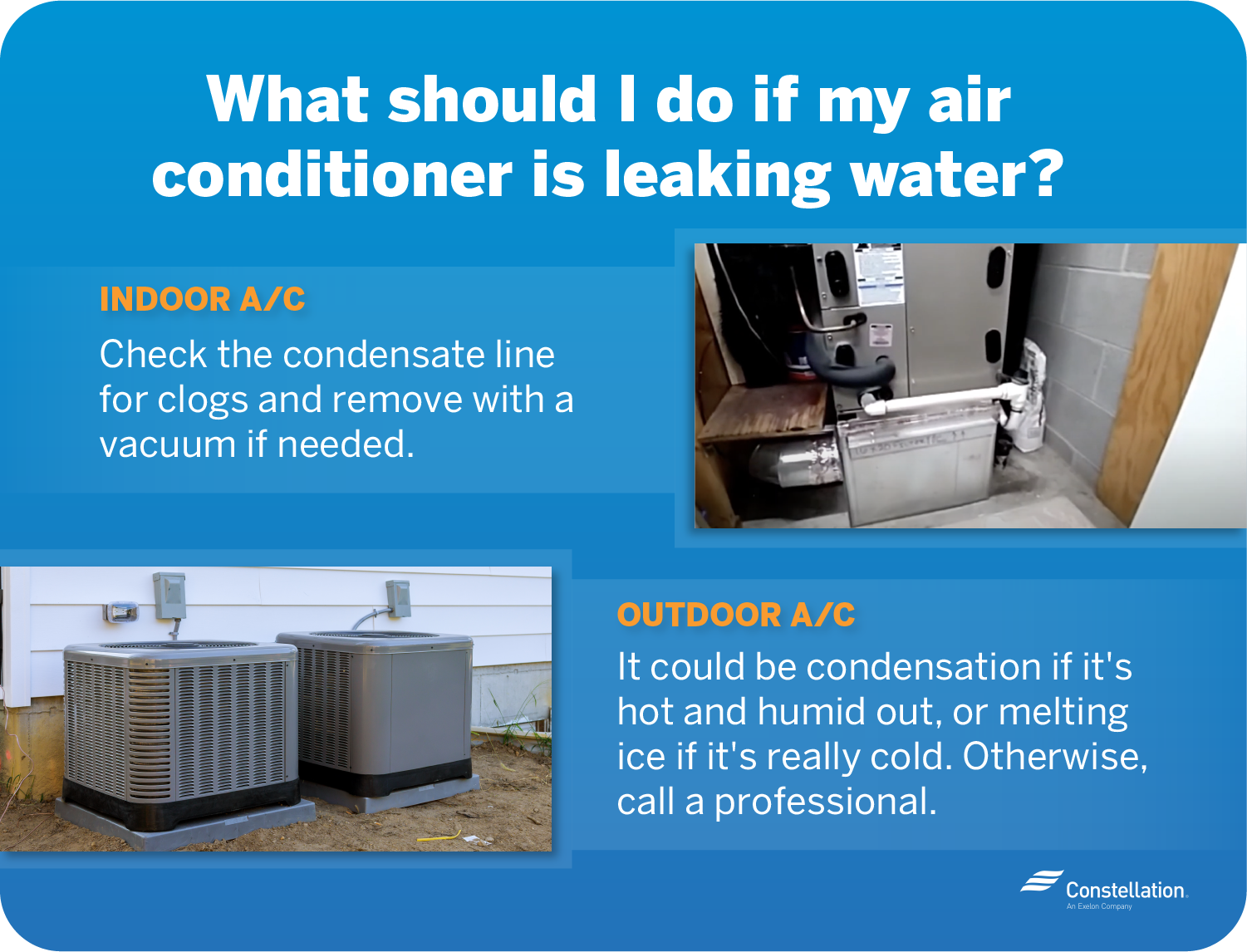
Your AC system creates condensation, which usually drains away through a condensate line. If this line gets clogged, water can back up, triggering a float switch that shuts off your system to prevent water damage. You might see water pooling around your indoor unit or in a drain pan. Clearing a clogged drain line can sometimes be a DIY job with a wet/dry vac, but if you're not comfortable, a professional can quickly sort it out.

If your AC is blowing air, but it’s just not cold, you might be low on refrigerant. This isn't something you can fix yourself; refrigerant leaks need to be diagnosed and repaired by a certified technician. Think of it like your car needing more coolant – it's a specific, controlled substance that keeps things running smoothly. This is definitely a job for the pros.
When to Call in the Cavalry (Professional Help)
You’ve done your due diligence, exhausted the DIY options, and you’re still feeling the heat. It’s time to bring in the pros. Sometimes, you just need to admit defeat and call in the experts – like when you attempt that Pinterest craft and it looks nothing like the photo.
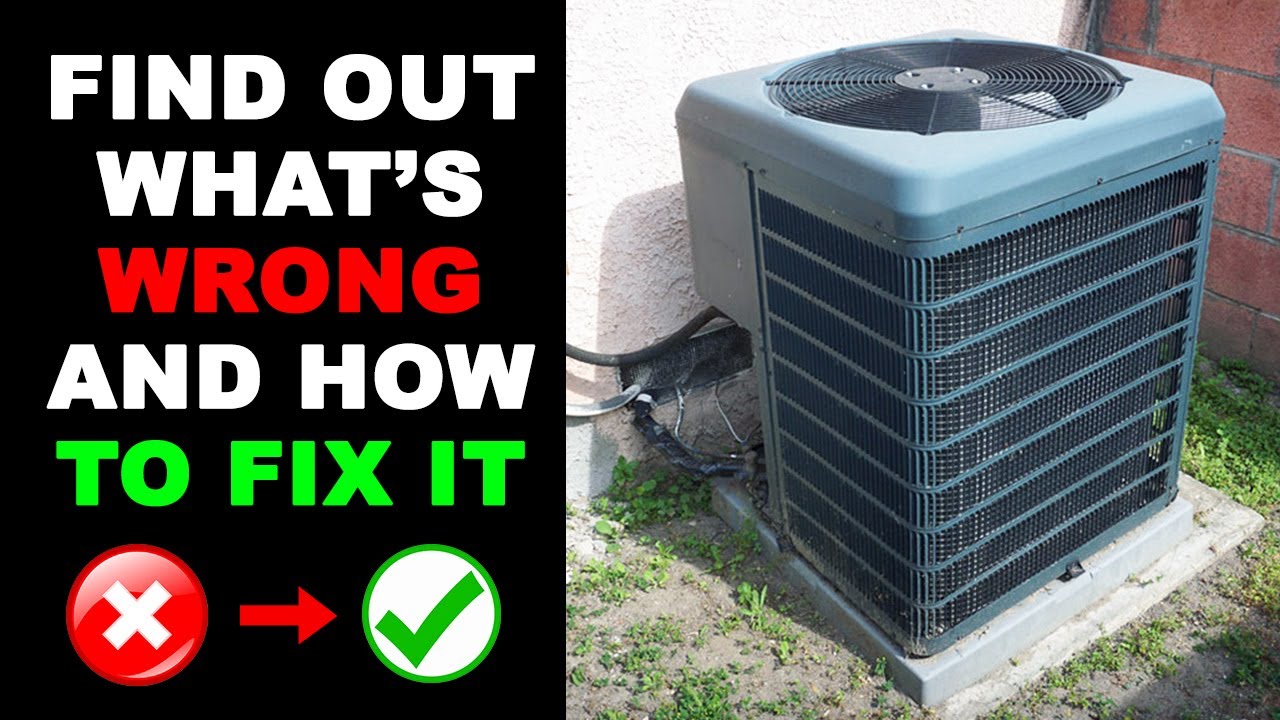
If the breaker keeps tripping, the outdoor unit is making weird noises (grinding, banging, squealing), or you’re seeing ice on the refrigerant lines, it’s a clear sign that expert eyes are needed. Don’t try to force a fix; you could cause more damage and turn a minor issue into a major headache.
Dealing with electrical components, refrigerants, and complex machinery is best left to those with training and specialized tools. A little upfront investment in a professional diagnosis and annual maintenance can save you a lot of headache and expense down the line. Plus, peace of mind in a heatwave? Priceless.
Dealing with a broken AC can feel like a mini-crisis, a rude interruption to the smooth hum of daily life. But often, these little bumps teach us a thing or two. Maybe it’s about appreciating the engineering marvel that keeps us cool, or the satisfaction of a simple fix. Or perhaps, it’s a reminder that even when things seem dire, a bit of calm investigation and knowing when to ask for help can get us back to comfort. So, next time your AC decides to go on strike, remember: stay cool, literally and figuratively. After all, a little problem-solving, much like a perfectly chilled glass of iced tea, can make a hot situation a whole lot more bearable.