
Why Isn't Coal As Good As Oil
The Tale of Two Energy Sources: Why One Shines Brighter
Imagine you're trying to power your life. You have two main choices: a chunky, solid rock, or a smooth, flowing liquid. Which one sounds like it would be easier to work with?
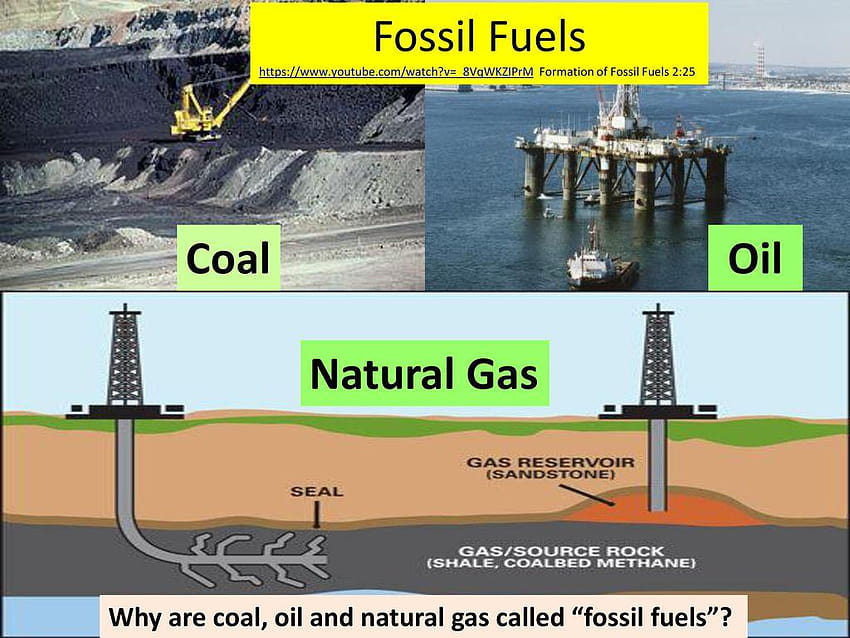
This is a bit like the story of coal and oil. Both are incredible sources of energy from deep within the Earth.
But when we look at them closely, oil often seems to have a few more tricks up its sleeve. Let's dig in and see why!
Must Read
It's All About Being Handy: Solid vs. Liquid
Think about moving something around. Would you rather scoop up a pile of gravel, or pour a glass of water?
Coal is a solid. It's tough, it's dusty, and it needs a lot of muscle to move from one place to another.
You need big trains, massive conveyor belts, or huge trucks to transport this heavy rock. It's a real effort!
Now, think about oil. Oil is a liquid, like thick syrup. It just loves to flow!
We can pump it through pipelines, which are like superhighways for liquid energy. These pipelines can stretch for thousands of miles, crossing entire continents.
Or we can fill up gigantic tankers and sail it across oceans. Moving oil is just so much smoother and often less complicated.
"Coal is like carrying bricks; oil is like sending water down a slide!"
This ease of movement is a huge plus for oil. It makes it super convenient to get exactly where it needs to go, quickly.

What Can It Do For You? The Jobs They Take
Every energy source has a special job it's really good at. Coal's main gig is making electricity.
It's excellent at heating water to create steam, which then spins giant turbines. That's how a lot of our lights turn on!
Coal also plays a big role in heavy industry, like making steel. It's a strong, steady workhorse for these tasks.
But oil? Oh, oil is a true multitasker. It's like the superstar of the energy world.
The most obvious one is powering our transportation. Cars, trucks, airplanes, ships – almost all of them run on different types of oil products.
Imagine trying to fuel your car with chunks of coal! It just wouldn't work.
Beyond transportation, oil is also the magic ingredient for countless things we use every day. It's the base for plastics.
Your phone case, your water bottle, even many parts of your computer come from oil. It's truly amazing.
Oil also helps make fertilizers, medicines, cosmetics, and so much more. It's everywhere!
So, while coal is a powerhouse for electricity, oil helps us move, communicate, and create almost everything around us.
How Much Oomph Do You Get? Energy Density
When you burn fuel, you want to get the most bang for your buck, right? You want a lot of energy from a little bit of stuff.
Coal, being a dense rock, certainly has energy. But it takes quite a bit of it to produce a significant amount of heat.
It can also be a bit messy when it burns, leaving behind ash that needs to be cleaned up. Think of a campfire with lots of leftover embers and dust.
Oil, on the other hand, is a champion of energy density. A smaller amount of oil packs a much bigger punch.
This means you don't need to store as much of it to get the same amount of power. That's fantastic for vehicles where space is precious.

When oil burns, especially refined products like gasoline or jet fuel, it's generally cleaner than coal. Less ash, less fuss!
The "Footprint" They Leave: Environmental Chatter
All fossil fuels have an impact on our planet, and it's a topic we're always thinking about.
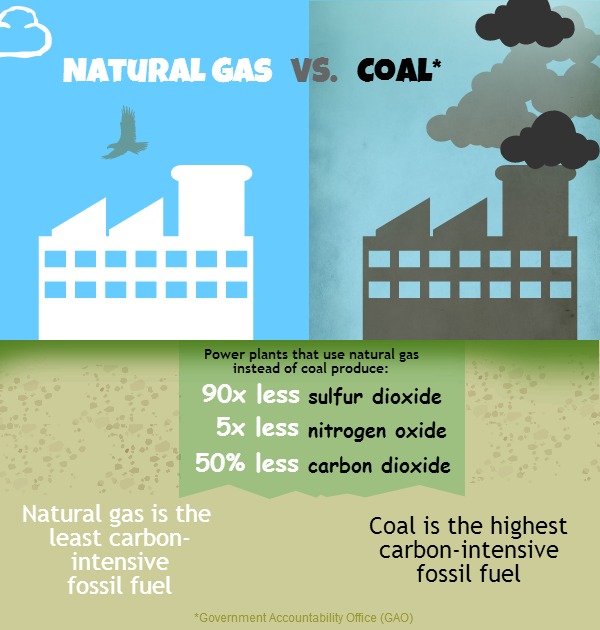
When coal burns, it releases a lot of carbon dioxide, which contributes to climate change. It also releases other things like soot and sulfur, which can make the air dirty.
Coal mines themselves can also change landscapes and impact local environments. It's a very involved process to get it out of the ground.
Oil also releases carbon dioxide when burned, and it has its own environmental challenges, like potential oil spills.
However, modern oil refining and burning technologies have improved. And because it's so energy-dense, you might need less of it to do certain jobs compared to coal.
It's not about one being perfectly "clean," but about understanding their different characteristics and impacts.

The Everyday Impact: Convenience and Innovation
Think about your daily life. You hop in a car, fly on a plane, or use a plastic-cased phone. These are all powered by or made from oil.
Oil has enabled an incredible amount of convenience and innovation in our world. It's been the engine of much of our modern society.
Coal, while still vital for electricity, doesn't quite have the same direct, versatile impact on personal mobility and consumer goods.
The Bottom Line: Different Roles, Different Strengths
So, is coal "bad" and oil "good"? Not exactly. They both come from Earth and both provide us with valuable energy.
But when we look at versatility, ease of transport, and the sheer number of things we can make from it, oil really stands out.
It's why oil has been the go-to fuel for our fast-paced, modern world. It helps us drive, fly, and make all sorts of amazing things.
Coal is a powerhouse, reliable for big jobs like electricity production. Oil, however, is the nimble, all-around player that shapes so much of our daily experience.
It's a fascinating comparison, showing us how different resources can fuel our lives in uniquely important ways!