Why Is Tidal Energy A Limited Source Of Energy
Ever watched the ocean waves crashing on the shore and wondered if we could somehow harness all that power? Well, you're not alone! The idea of capturing the energy of the tides – tidal energy – is a fascinating one, and it seems like a no-brainer, right? It's renewable, predictable, and doesn't produce greenhouse gases. But if it's so great, why aren't we seeing tidal power plants popping up everywhere? Let's dive in (pun intended!) and explore why tidal energy, despite its potential, remains a somewhat limited energy source.
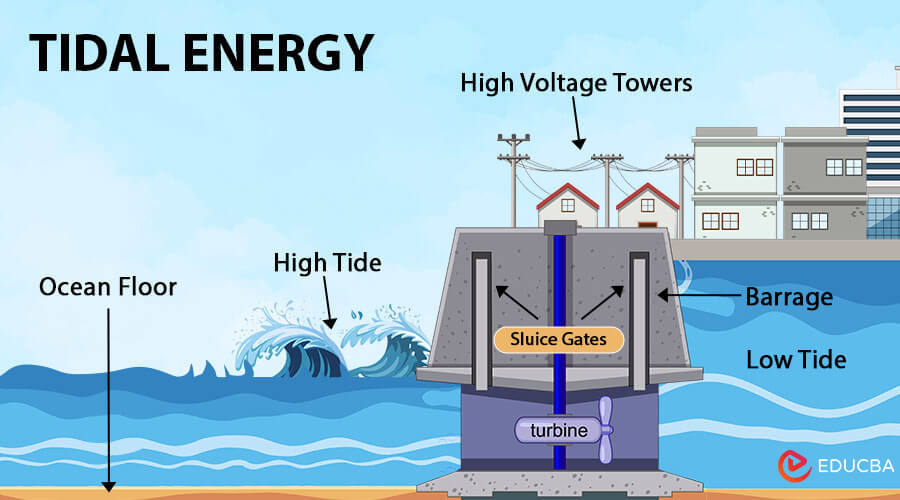
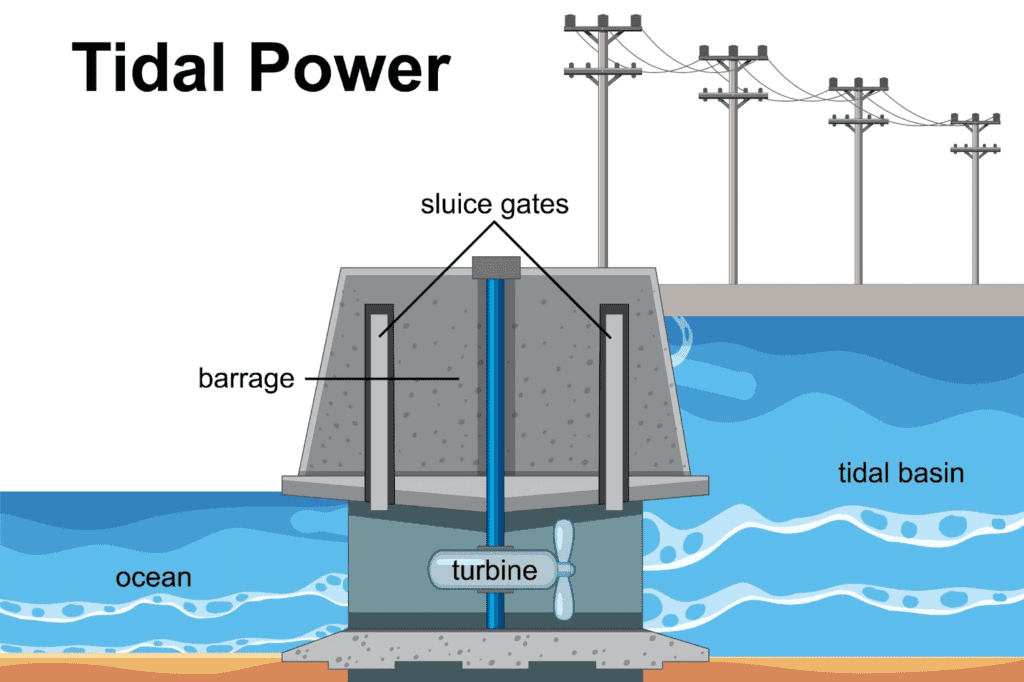
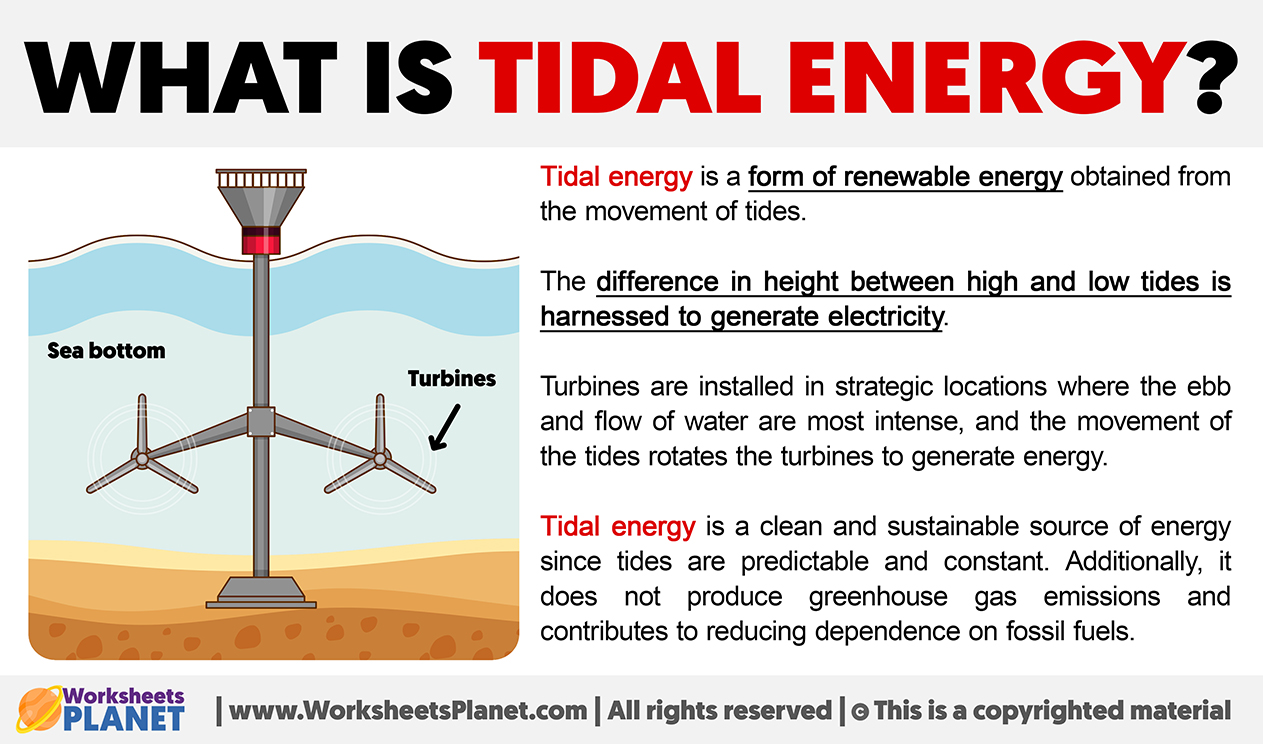
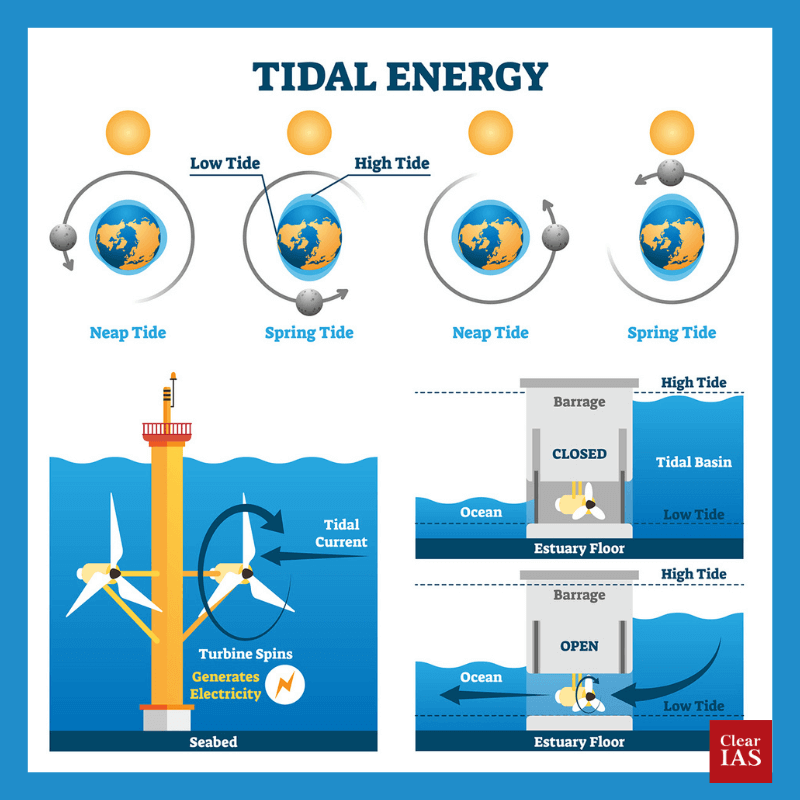
So, what exactly is tidal energy? Simply put, it's electricity generated from the natural rise and fall of ocean tides. Think of it like a watery version of hydroelectric power. There are a few ways to capture this energy. One common method involves building a tidal barrage, which is essentially a dam across an estuary or bay. As the tide flows in and out, it's forced through turbines in the barrage, spinning them and generating electricity. Another approach is to use tidal stream generators, underwater turbines that work much like wind turbines, capturing the energy of the flowing tide. And finally, tidal lagoons are artificial enclosures designed to capture tidal water and release it through turbines.
The benefits of tidal energy are pretty clear. It's a renewable resource, meaning it won't run out like fossil fuels. Unlike solar or wind power, tides are incredibly predictable; we know exactly when high and low tides will occur years in advance. This predictability makes it a very reliable energy source. And, importantly, it produces no greenhouse gas emissions during operation, contributing to a cleaner environment.
Must Read
Despite all these advantages, tidal energy faces some significant hurdles. Perhaps the biggest limitation is location. Tidal energy systems require locations with substantial tidal ranges – the difference between high and low tide. These locations are relatively rare, and often far from population centers that need the electricity. Building tidal barrages can also have a significant environmental impact on the surrounding ecosystem, altering water flow, disrupting fish migration, and affecting habitats. Furthermore, the high initial costs of building tidal power plants, especially barrages, can be a major deterrent. The technology is still relatively young, and the costs associated with construction and maintenance are significant.
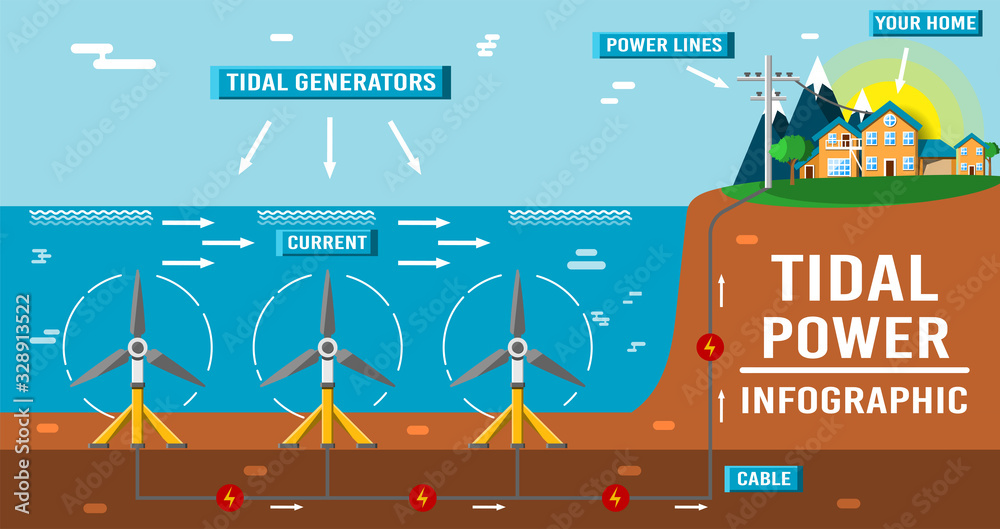
While you might not be building your own tidal power plant anytime soon, there are still ways to explore this fascinating energy source. Many science museums and aquariums have exhibits on ocean energy. Look out for interactive displays that demonstrate how tides work and how tidal energy is harnessed. You can also find numerous educational resources online, including videos and simulations that explain the technology behind tidal power. Even something as simple as observing the tides at your local beach or estuary can give you a greater appreciation for the power of the ocean. Try to imagine the immense force of the water and how it could be put to work!
Ultimately, while tidal energy may not be a widespread solution to our energy needs right now, it remains a promising avenue for future development. As technology improves and costs decrease, tidal energy could play a more significant role in our transition to a sustainable energy future. Keep an eye on the tides – you never know what the future holds!