
Why Is There Shortage Of Water
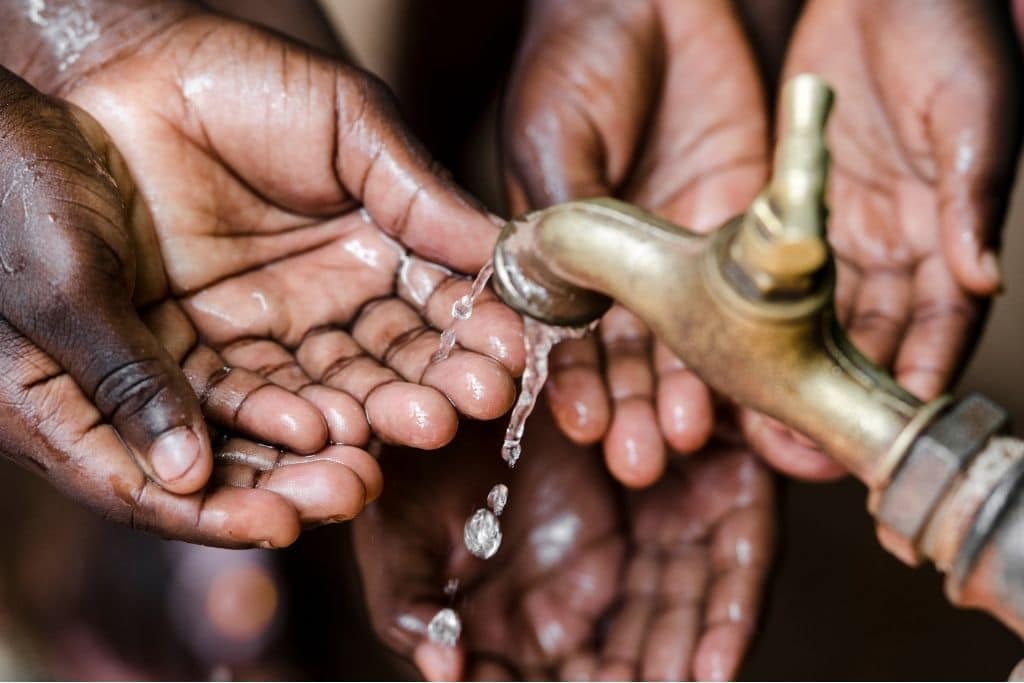
Have you ever stopped to think about water? It’s everywhere, right? We see rivers, lakes, and oceans.
So, why do we keep hearing about places running out of water? It seems a bit confusing at first glance.
Let's dive into this puzzle together. It's a big topic, but we can break it down easily. We will discover some surprising reasons behind the global water shortage.
Must Read
More People, More Thirst
Our planet is getting crowded. More people are living here than ever before. This is one of the biggest reasons for water scarcity.
Every single person needs water to drink. We also need it for washing, cleaning, and cooking. All these daily activities add up to a huge demand.
Imagine a small town growing into a big city overnight. The old water pipes and systems just can't keep up. They were not built for so many users.
This growth isn't stopping anytime soon. So, the need for fresh water keeps climbing. It's like everyone wants a slice of a pizza that isn't getting any bigger.
This increased demand puts a lot of stress on our natural water sources. Lakes and underground reserves are being used faster than they can refill. It’s a delicate balance that is tipping.
Think about the water we use for our clothes, our food, and even our gadgets. All these things have a "hidden" water cost. More people means more everything, including more water use.
"Every drop counts when billions are thirsty."
The Changing Climate: A Dry Reality
Our planet's weather patterns are changing. This is something we hear about often. These changes play a huge role in water shortages.
For example, some places are experiencing longer and harsher droughts. A drought means little to no rain for a very long time. Rivers shrink, and reservoirs dry up.
Snow is also important for water. Many areas rely on melting snow from mountains. This snow acts like a natural water storage bank.
But with warmer temperatures, less snow is falling. The snow that does fall melts too quickly. This leaves less water available later in the year.
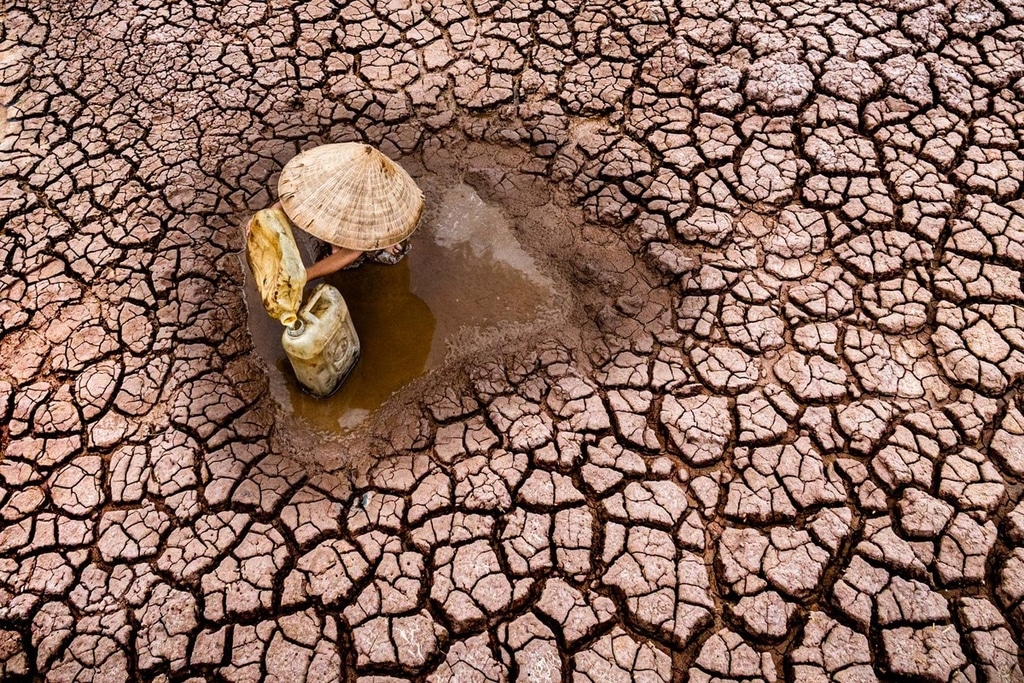
Higher temperatures also mean more evaporation. Water simply disappears into the air faster. Lakes and soil dry out quicker than before.
These shifts mean that water isn't arriving where and when we expect it. It throws off our entire water supply system. It's a bit like having your regular water delivery skip a few weeks.
Climate change is making dry places even drier. It's also making wet places experience more extreme rain. This can lead to floods, but the water often runs off without being captured.
So, we're not just running out of water. The water we have is behaving in unpredictable ways. This makes planning for the future much harder.
Water We Don't Use: Pollution's Ugly Mark
It’s not just about not having enough water. Sometimes, we have water, but it's too dirty to use. Pollution makes existing water sources unusable.
Think about factories dumping waste. Or farms using chemicals that wash into rivers. Even our everyday household trash can pollute water.
This polluted water becomes dangerous. It's unsafe for drinking, bathing, or even farming. It's like having a full glass, but it's filled with mud.
Cleaning up polluted water is very difficult. It costs a lot of money and requires special technology. Often, the damage is irreversible.
So, while there might be water in a nearby stream, it's useless if it's contaminated. This creates a different kind of "shortage." It's a shortage of clean, safe water.
Protecting our water sources from pollution is vital. It's much easier to keep water clean than to try and clean it later. Every little bit of waste we keep out of water helps.
"Clean water isn't just a luxury; it's a necessity."
Thirsty Farms and Factories
Believe it or not, agriculture uses a massive amount of water. Growing food for billions of people takes a lot of H2O. It's the biggest water user globally.
Think about fields of corn, rice, or cotton. They need constant watering to grow. This can drain rivers and underground aquifers very quickly.
Many farming methods are also quite wasteful. Old irrigation systems can lose a lot of water to evaporation. Leaky pipes in fields are another common problem.
Then there's industry. Factories use huge amounts of water to produce goods. Everything from your smartphone to your t-shirt requires water in its making.
This "industrial water" is often overlooked. It's not water you see, but it's part of the global water footprint. Our choices as consumers impact this hidden water use.
For example, producing a single cotton t-shirt can take thousands of liters of water. Making a pair of jeans takes even more. Fast fashion has a huge water cost.
Even generating electricity, especially from certain power plants, needs water. So, almost everything we use or consume has a link to water usage. It's a cycle.
Finding more efficient ways to farm and produce goods is crucial. This means developing new technologies and changing old habits. It's a big task for everyone.
Where Water Doesn't Go
Water isn't spread evenly across the Earth. Some places are naturally drier than others. This geographical reality is a fundamental challenge.
Even where water is available, getting it to people can be hard. Think about the infrastructure: pipes, pumps, dams, and treatment plants. These are huge systems.
Many places simply don't have the money or resources to build these systems. So, water might be nearby, but it's inaccessible. It's a problem of distribution.

Even in developed countries, infrastructure can be old and leaky. A lot of treated water is lost before it ever reaches a tap. It literally goes down the drain, underground.
Poor planning or management also plays a part. Sometimes, decisions are made without thinking long-term about water resources. This can lead to unsustainable practices.
Sharing water between different regions or countries can also cause problems. Rivers often cross borders. Deciding who gets how much water can lead to disagreements.
So, it's not just a physical shortage. It's also about managing what we have wisely. It’s about ensuring fair and efficient access for everyone.
Investing in modern infrastructure is key. Repairing old pipes saves a lot of water. Planning for future needs is also vital for water security.
"Water's journey from source to tap is often long and complicated."
It's Not Just About Not Enough
The issue of water shortage is complex. It's not always about a complete lack of water. Sometimes, it's about the quality of the water.
Or it's about the difficulty people face in accessing clean water. Many communities have water nearby, but it's unsafe to drink. They lack proper filtration.
This forces people to walk long distances to find safe water. It affects health, education, and economic well-being. It's a cycle of hardship.
Political and economic factors also influence water availability. Who controls the water resources? How is water priced and distributed? These are big questions.
Even seemingly small choices, like flushing a toilet, impact water. Every drop we use has to come from somewhere. And it has to be treated too.
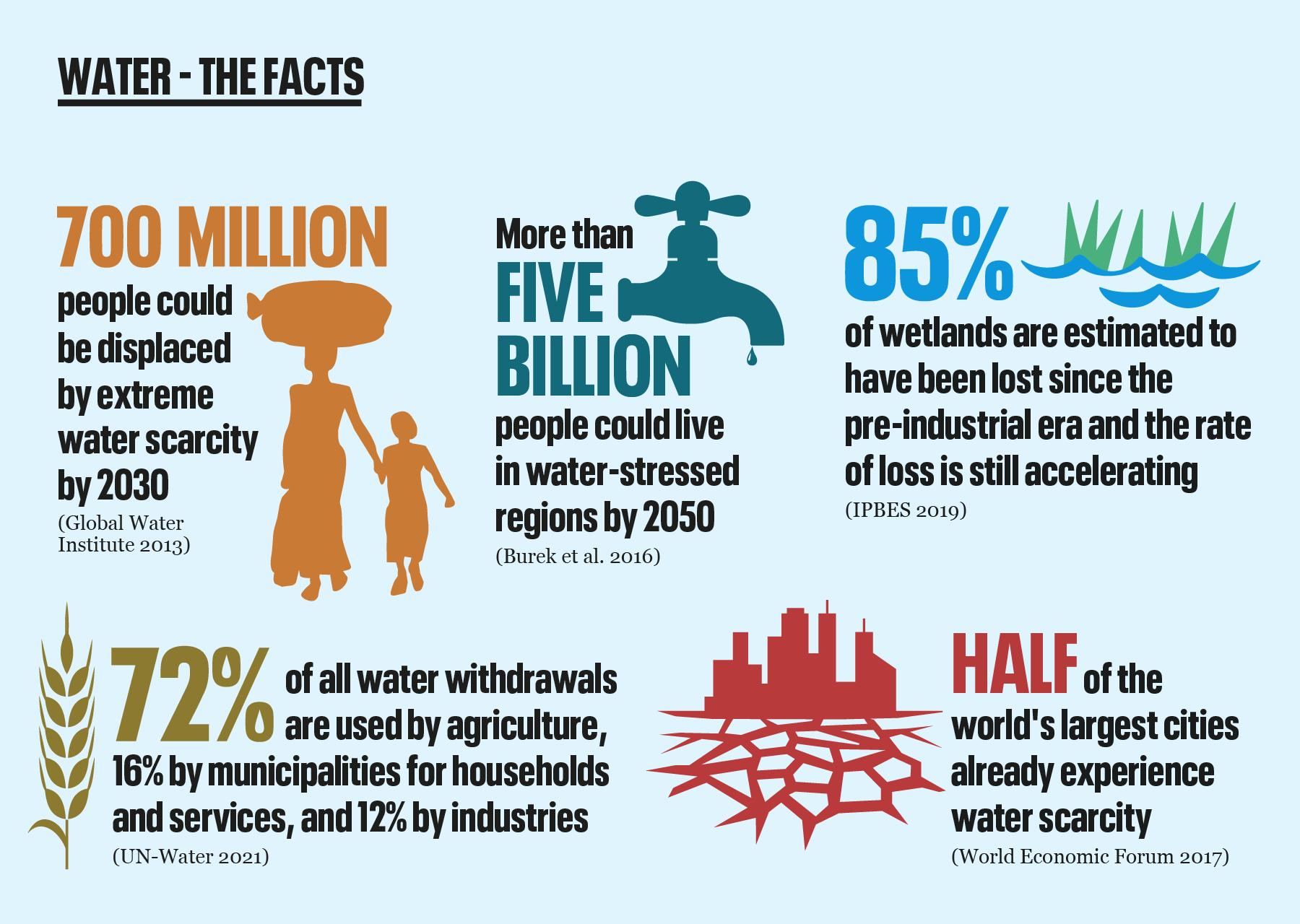
Understanding these different layers is important. It helps us see the full picture of the global water crisis. It's more than just an empty tap.
Water is fundamental to life. Its scarcity affects everything from food security to public health. It's a challenge we all share.
What Can We Do? Small Drops Make a River!
This might sound like a big problem. And it is, but small actions can make a huge difference. Awareness is the very first step.
Understanding why there's a shortage helps us act smarter. We can start by making changes right in our own homes. Every little bit helps.
Fix leaky faucets and running toilets. These can waste thousands of liters a year. Take shorter showers instead of long baths.
Turn off the tap when you brush your teeth. Don't let the water run unnecessarily. These habits are easy to adopt.
Think about the food you eat and the products you buy. Choosing items with a smaller "water footprint" helps. Supporting sustainable farming practices is also good.
Support organizations working on water solutions. These groups often develop new technologies. They also help communities get clean water.
Talk to your friends and family about saving water. Spread the word about its importance. Collective action has a powerful impact.
Remember, every drop truly counts. We all share this planet and its precious water. Working together, we can ensure there's enough for everyone.
Let's become more mindful of this vital resource. Our future depends on it. Be curious, be conscious, and be a part of the solution.