Why Is There A Water Shortage
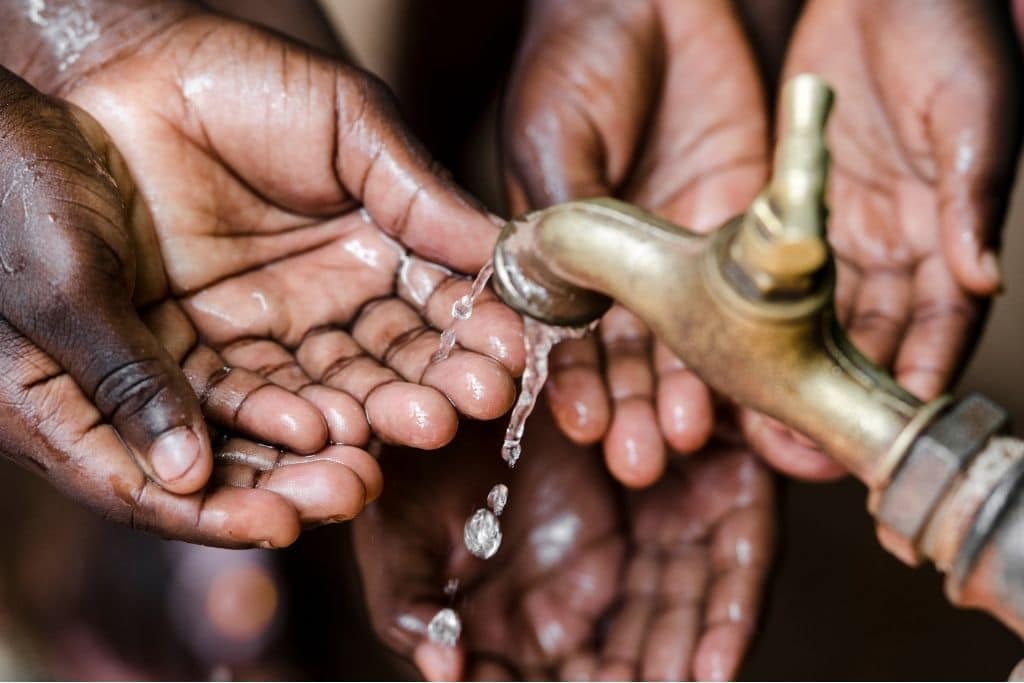
Ah, water! That glorious, crystal-clear liquid we often take for granted. Think about it: the refreshing gulp after a run, the blissful feeling of a hot shower washing away the day's grime, the sheer joy of a splashing summer swim. Water isn't just a necessity; it's intricately woven into our daily pleasures, our comfort, and our very existence. It’s the unsung hero that helps us wake up with a steaming cup of coffee, keeps our gardens vibrant, and ensures our clothes are sparkling clean.
The benefits and purpose of water in our everyday lives are truly boundless. Beyond quenching our thirst and keeping our bodies hydrated – a fundamental requirement for every single cell – water is the workhorse behind countless conveniences. It fills our kettles and cooking pots, making our meals possible. It keeps our homes hygienic, flushing away waste and scrubbing our dishes. For our farmers, water is the lifeblood that nourishes crops, ensuring the food we eat makes it to our tables. Industries rely on it for cooling, cleaning, and manufacturing, while our beautiful natural environments – from rivers to oceans – depend on its delicate balance to thrive.
Common examples of water's applications are everywhere you look. It's the water that flows from your tap, ready for drinking. It’s the torrent that fills your washing machine, cleaning your favourite jeans. It irrigates the sprawling fields that grow your potatoes and carrots. It helps generate electricity, keeping your lights on. In short, water is the invisible infrastructure that underpins our modern world, often only noticed when it’s not readily available.
Must Read
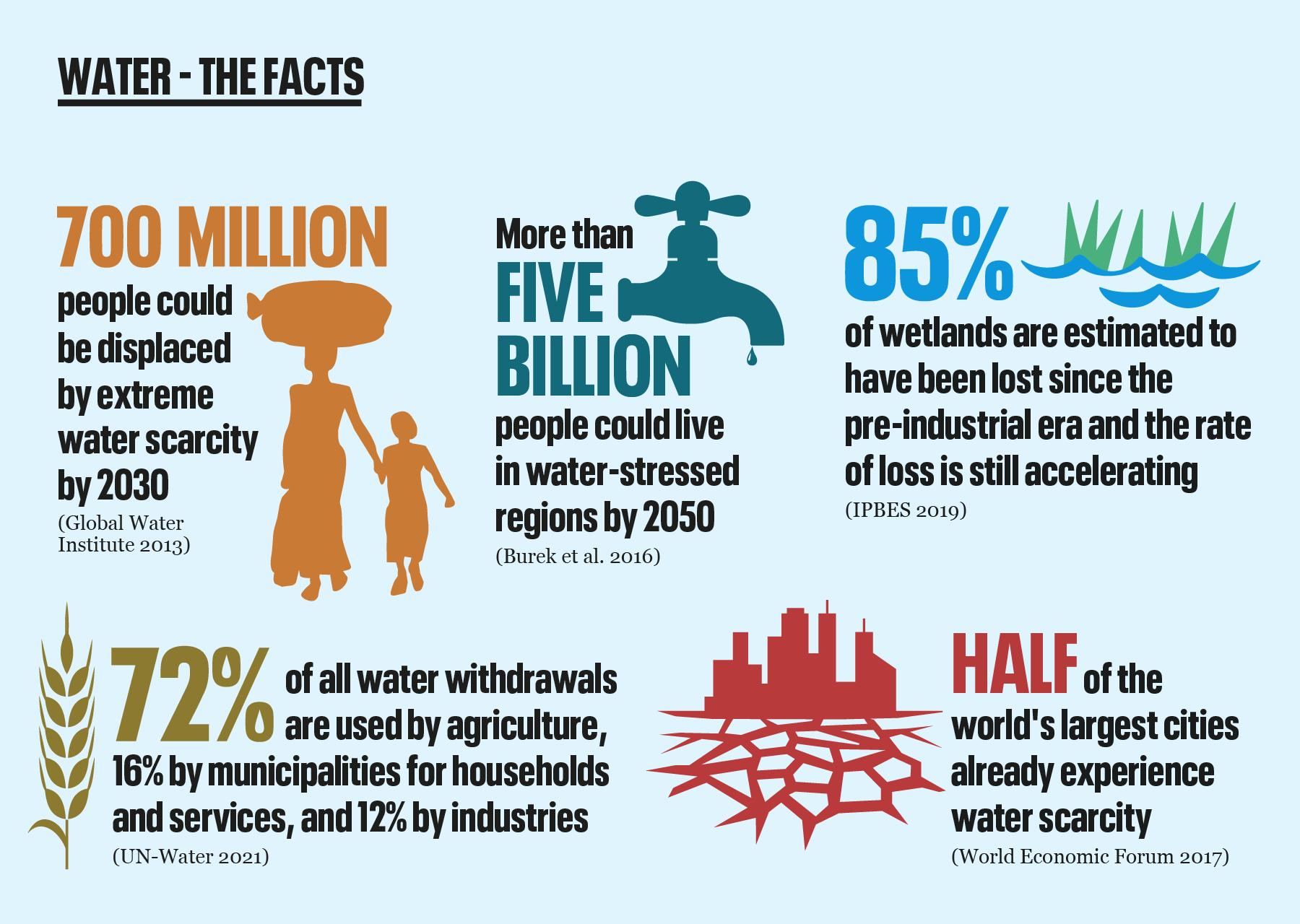
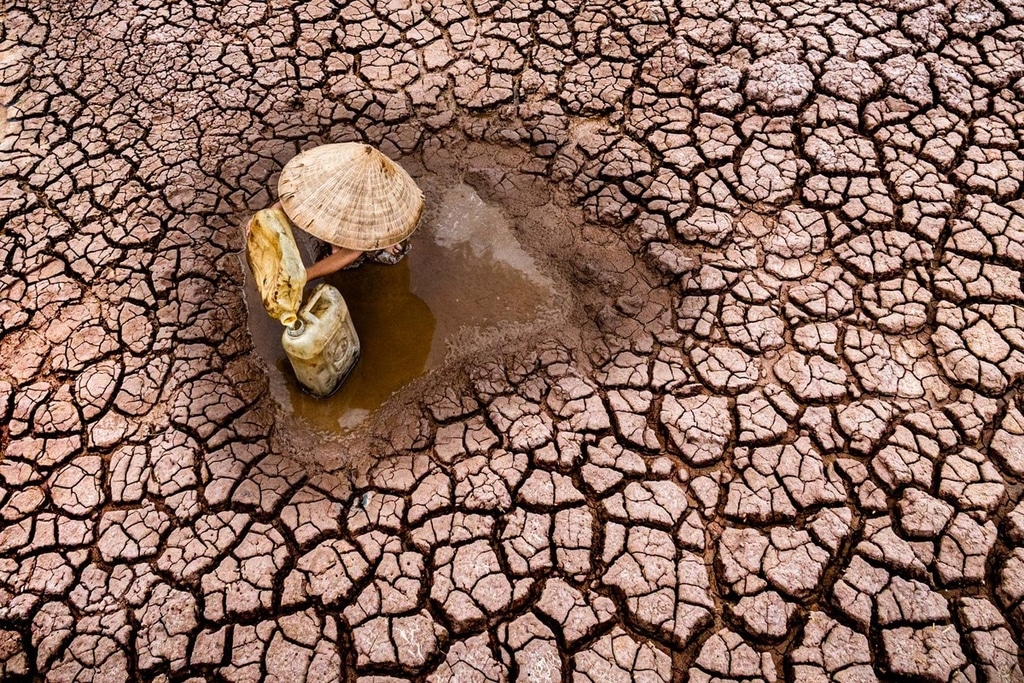
And that’s the rub, isn't it? Lately, the reliable gush of this precious resource has become less certain. You might be hearing more and more about water shortages, and wondering, "Why?" It boils down to a few interconnected factors. Firstly, climate change is playing a major role, bringing longer, more intense droughts to some regions and altering traditional rainfall patterns globally. This means less water collecting in our reservoirs and rivers. Secondly, a rapidly growing global population means more people need water for drinking, farming, and industry, placing immense strain on existing supplies. We also have issues with inefficient infrastructure, where old pipes leak away vast amounts of treated water before it even reaches homes, and some agricultural practices use water far less efficiently than they could. Lastly, pollution contaminates existing freshwater sources, rendering them unusable without expensive treatment, effectively reducing the available supply.
So, how can we learn to enjoy water more effectively, especially when its supply is increasingly fragile? The answer lies in mindful conservation. Think of it as cherishing every drop! Take shorter showers instead of long baths – aim for a 5-minute song limit! Turn off the tap while brushing your teeth or scrubbing dishes. Fix those leaky faucets and running toilets; even a small drip can waste thousands of gallons a year. When watering plants, do it in the early morning or late evening to reduce evaporation. Only run your dishwasher and washing machine when they're full. Consider collecting rainwater for your garden. By making these small, conscious changes, we’re not just saving water; we're appreciating its true value and ensuring this life-giving, joy-bringing liquid remains available for everyone, for generations to come. Let's make every drop count!