Why Is The Heat In My House Blowing Cold Air
There's a special kind of dread that settles in when you realize something's amiss with your home's heating system. It's a scene we've all played out: a frosty morning, you crank up the thermostat, anticipating a cozy warmth... only to be greeted by a blast of cold air. Suddenly, your sanctuary feels less like a haven and more like a slightly warmer refrigerator. But before you resign yourself to a winter of shivering, let's explore why this frustrating phenomenon, the dreaded 'cold air from the heater,' happens and what you can do about it.
Understanding the potential causes behind this chilly conundrum is beneficial for everyone, not just seasoned HVAC technicians. For the DIY enthusiast, it presents a valuable learning opportunity to troubleshoot and potentially fix a problem yourself, saving on costly repair bills. Even for the casual homeowner, knowing the likely culprits allows you to communicate more effectively with a professional, ensuring you get the right service and aren't taken for a ride. The benefit? A warmer, more comfortable home and the satisfaction of knowing you played a part in fixing it!
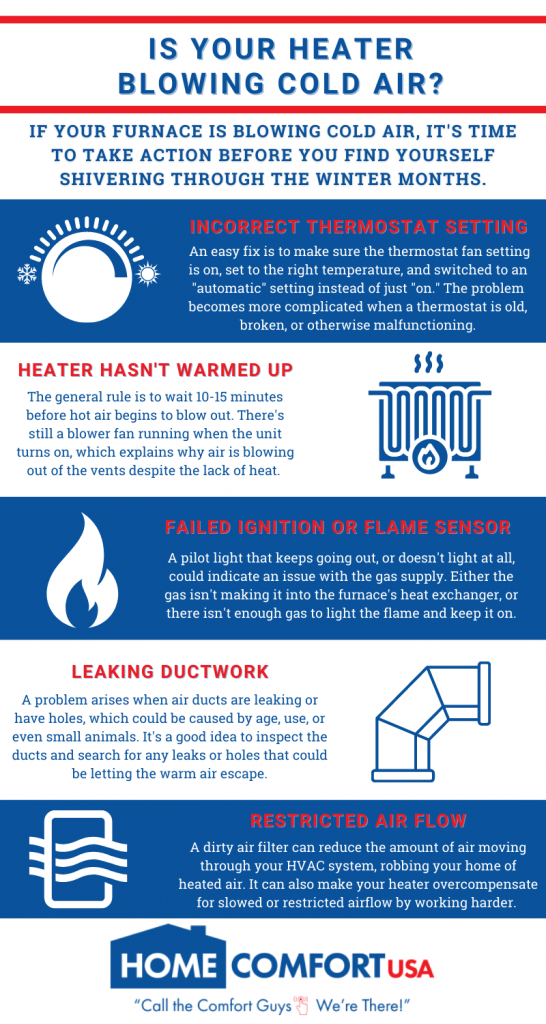
So, what are the usual suspects? One common reason is a simple thermostat setting error. Is it set to 'cool' instead of 'heat'? It sounds obvious, but it's a surprisingly frequent mistake. Another possibility is a pilot light malfunction (for gas furnaces). If the pilot light is out, the furnace can't ignite the gas to produce heat. A third issue could be related to your air filter. A clogged filter restricts airflow, potentially causing the furnace to overheat and shut down, blowing only cold air as a safety measure. And let's not forget the potential for ductwork problems. Leaky ducts can allow cold air from outside or unheated areas to enter your system, diminishing the warmth reaching your vents.
Must Read
Thinking about tackling this detective work yourself? Here are a few tips to get you started: First, double-check your thermostat settings. Ensure it's on 'heat' and set to a temperature higher than the current room temperature. Next, if you have a gas furnace, locate the pilot light and try relighting it according to the manufacturer's instructions. Always exercise caution when dealing with gas. Then, inspect your air filter. If it's dirty or clogged, replace it with a new one. Finally, visually inspect your ductwork for any obvious leaks or damage. Sealing minor leaks with duct tape can sometimes make a difference.
Even if you ultimately need to call in a professional, the act of investigating the issue yourself is empowering. You're actively taking control of your home's comfort and learning something new in the process. And, let's be honest, there's a particular satisfaction in solving a problem yourself, no matter how small. But the real enjoyment comes from finally feeling that glorious warmth radiating from your vents, chasing away the chill and transforming your house back into the cozy haven you deserve. It’s about regaining that feeling of control and comfort, knowing you played a part in bringing the heat back home.