Why Is The Carbon Monoxide Alarm Beeping
Okay, so picture this: It’s the dead of night. You’re deep in dreamland, maybe finally catching that elusive unicorn, when suddenly—BEEP!
You jolt awake. Your heart tries to escape your chest. What was that? A text? A door? You strain your ears in the pitch-black silence. Then, a minute later, it comes again: BEEP!
Aha! It’s that annoying, persistent little chirp that inevitably means one of two things: either a rogue cricket has infiltrated your home with a tiny, incredibly loud megaphone, or more likely, one of your vital home safety devices is trying to communicate with you. And if it's not the smoke alarm, chances are it's your good old carbon monoxide (CO) alarm.
Must Read
You know the one. That unassuming little gadget usually perched high on a wall or near a ceiling, silently doing its job… until it decides it’s time for a dramatic monologue. But what exactly is it trying to tell you when it starts its urgent chirping? Let's dive in, shall we? Because, trust me, this isn't just a random tantrum; it's a message you really, really need to understand.
The Silent Killer: Carbon Monoxide
First things first, let's talk about CO itself. It’s often called the "silent killer" for a terrifying reason: it's a colorless, odorless, tasteless gas. You can't see it, you can't smell it, you can't taste it. It’s the ultimate stealth threat. It’s produced when fuels like gas, oil, coal, and wood don't burn completely. Think furnaces, gas stoves, fireplaces, water heaters, even idling cars in an enclosed garage. All perfectly normal things that, under the wrong circumstances, can become incredibly dangerous.

When inhaled, CO prevents your blood from carrying oxygen, essentially suffocating your cells. Symptoms can start subtly – headache, dizziness, nausea – and quickly escalate to confusion, collapse, and even death. Pretty scary stuff, right? This is why your CO alarm is an absolute superhero. It’s your only warning system against this invisible menace.
Why Is That Alarm Beeping? Let's Break Down the Beeps!
So, your alarm is chirping. Don't panic just yet! Not every beep means you’re on the brink of a CO disaster. There are a few common reasons, each with its own specific "language."
1. Actual Carbon Monoxide Detection: The REALLY Serious One!
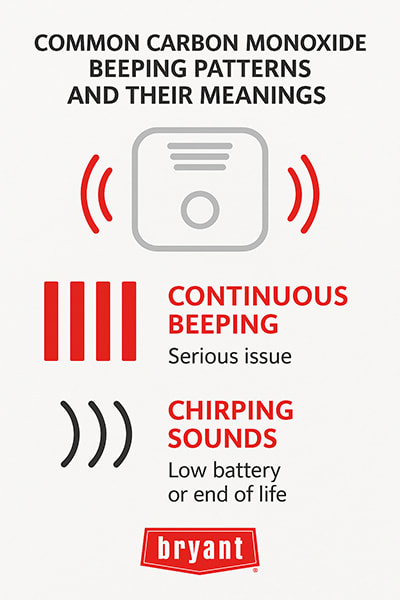
This is the big one. If your alarm is letting out a loud, urgent, continuous series of beeps (often four short beeps followed by a pause, then repeating), it means it has detected CO. This isn't a drill, folks. This is a CODE RED.
- What to do: Immediately get everyone (and pets!) outside into fresh air. Do not try to find the source. Once everyone is safe, call 911 or your local emergency services. They’ll come, investigate, and tell you when it’s safe to go back inside. Better safe than sorry, always.
2. Low Battery: The Annoying, But Fixable, One
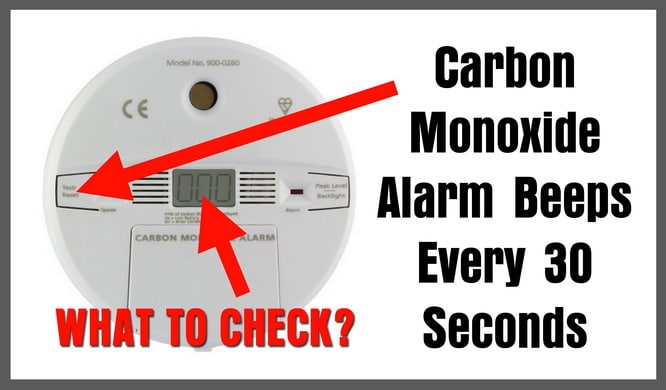
Ah, the classic! This is usually a single, short beep every 30 to 60 seconds. It’s the alarm's way of saying, "Hey! Remember me? I'm running on fumes here!" It’s often the culprit behind those 3 AM wake-up calls, almost as if it waits for peak sleep to demand attention. Cheeky little thing.
- What to do: Change the batteries! Most CO alarms use standard AA or 9V batteries. If it's a sealed unit with a 10-year battery, you might be looking at an end-of-life situation (more on that next). This is usually the easiest fix, and honestly, the most common reason for those annoying chirps. Don’t ignore it; a dead battery means a dead alarm!
3. End-of-Life (EOL) Warning: It’s Time for a Replacement
Did you know CO alarms don't last forever? Like milk, but with more beeps. Most units have a lifespan of about 5-7 years, sometimes up to 10. When they reach the end of their useful life, they’ll often start beeping in a specific pattern – perhaps five short beeps every minute, or a different distinct chirp from a low battery. Check your owner's manual for the exact pattern for your model.

- What to do: Replace the entire unit! It's not just a battery issue; the sensor inside degrades over time. Look for a manufacturing date on the back of the alarm. If it's past its prime, it's time for a new one. Think of it as retiring a trusty old friend and bringing in its younger, more vigilant successor.
4. Malfunction/Fault: The "I'm Broken" Signal
Sometimes, your alarm might just be faulty. This could be due to an internal error or damage. The warning for this might be a different, less urgent beep pattern than the CO detection, or even a continuous, lower-level tone. Again, your owner's manual is your best friend here.
- What to do: If your alarm is relatively new and you've ruled out low batteries and EOL, it might be faulty. Replace the unit. An alarm that isn't working correctly offers no protection.
The Bottom Line: Don't Ignore the Beep!
Whether it’s a desperate plea for new batteries or an urgent warning about an invisible threat, your carbon monoxide alarm is trying to protect you. It's not just an annoying noise; it's a vital communication from a device designed to save lives.
So, the next time you hear that distinctive chirp, don't just groan and cover your ears. Take a moment to listen, identify the pattern, and take appropriate action. Your life, and the lives of those you love, could literally depend on it. Stay safe out there!