Why Is Nuclear Power Bad For The Environment
Okay, so picture this: I'm at a barbeque, right? Good times, burgers sizzling, sunshine, the whole shebang. Then Uncle Jerry, bless his heart, starts going off about how nuclear power is the only way to save the planet. "Clean energy!" he booms, brandishing his tongs like a conductor's baton. I love Jerry, but… well, he also thinks pineapple on pizza is a gourmet choice. So, color me skeptical.
That got me thinking: Is nuclear power really all that it's cracked up to be? Is it actually a climate savior, or are there some hidden downsides Uncle Jerry conveniently forgets to mention between burger flips? Let's dive in, shall we? Because, spoiler alert, it's not all sunshine and uranium rainbows.
The Nuclear Waste Elephant in the Room
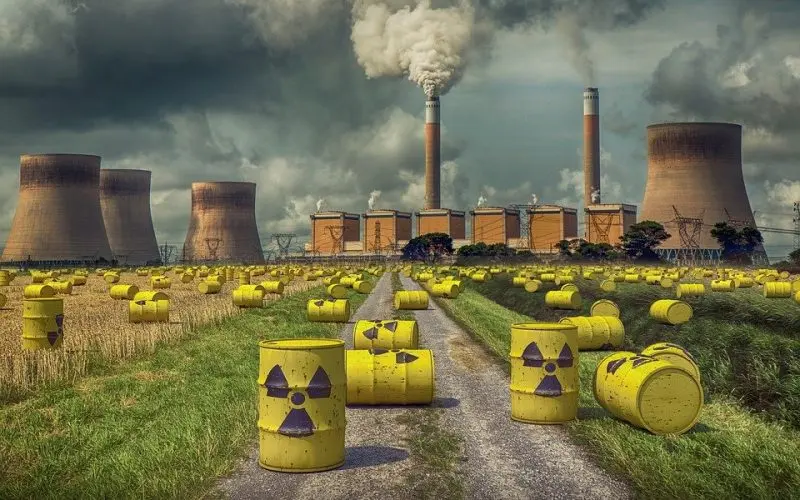
Let's start with the biggie: nuclear waste. This stuff is basically the gift that keeps on giving... for thousands of years. We're talking about highly radioactive materials that need to be stored safely for, like, longer than recorded history. Seriously, imagine trying to explain to your great-great-great- (add a few more greats) grandkids where you buried the nuclear garbage their ancestors generated. Awkward family reunions, am I right?
Must Read
And where do we put it? Currently, a lot of it is stored on-site at nuclear power plants, which, let's be honest, doesn't exactly scream "long-term solution." There's talk of deep geological repositories (fancy words for underground bunkers), but finding a location that's stable, secure, and doesn't piss off the local population is… challenging. Think of it as trying to find a parking spot downtown on a Saturday night, but with potentially apocalyptic consequences if you mess up.
Side note: The sheer volume of waste is staggering. We're not talking about a few bags of trash. We're talking about tons and tons of highly radioactive material that needs to be handled with extreme care. This is not your average recycling project.
Accidents Happen (Oops!)
Okay, I know nuclear power plants have safety protocols and regulations galore. But let’s be real: accidents happen. Chernobyl. Fukushima. Three Mile Island. These names aren't exactly synonymous with peace of mind, are they? Each incident served as a stark reminder that even with the best precautions, things can go horribly wrong. And when they do, the consequences can be devastating.
We’re talking about large-scale evacuations, contaminated land, and long-term health effects. The environmental and human cost is immense. And let's not forget the psychological impact on the affected communities. Can you imagine the stress of knowing that your home could be uninhabitable for decades, maybe even centuries?

The Mining Mayhem
Even before the nuclear reactor starts humming, there's the issue of uranium mining. This process can have a significant impact on the environment, including habitat destruction, water contamination, and air pollution. Mining operations often release harmful chemicals and radioactive materials into the environment, posing risks to both human health and ecosystem integrity. Remember, uranium doesn't magically appear. It needs to be extracted from the earth, and that process isn't exactly gentle.
The Price is Not Right
Building and maintaining nuclear power plants is expensive. Like, seriously expensive. We're talking about billions of dollars. And who ends up footing the bill? You guessed it: taxpayers. The economic argument for nuclear power often hinges on government subsidies and loan guarantees, which means that we're all contributing to the industry, whether we like it or not. Is this really the most cost-effective way to reduce carbon emissions? Perhaps that money could be better invested in renewable energy sources like solar and wind, which are becoming increasingly affordable.
What About the Alternatives?
Look, I'm not saying that renewable energy is a perfect solution. It has its own challenges, such as intermittency (the sun doesn't always shine, and the wind doesn't always blow) and land use. But the technology is constantly improving, and the costs are steadily decreasing. Investing in research and development of renewable energy sources, coupled with energy storage solutions, offers a promising path towards a more sustainable future.
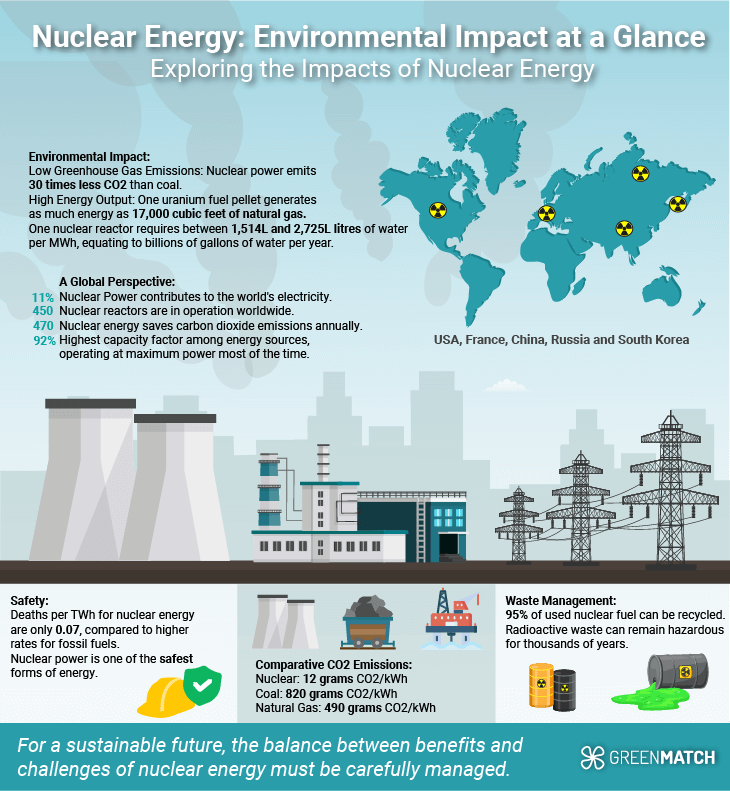
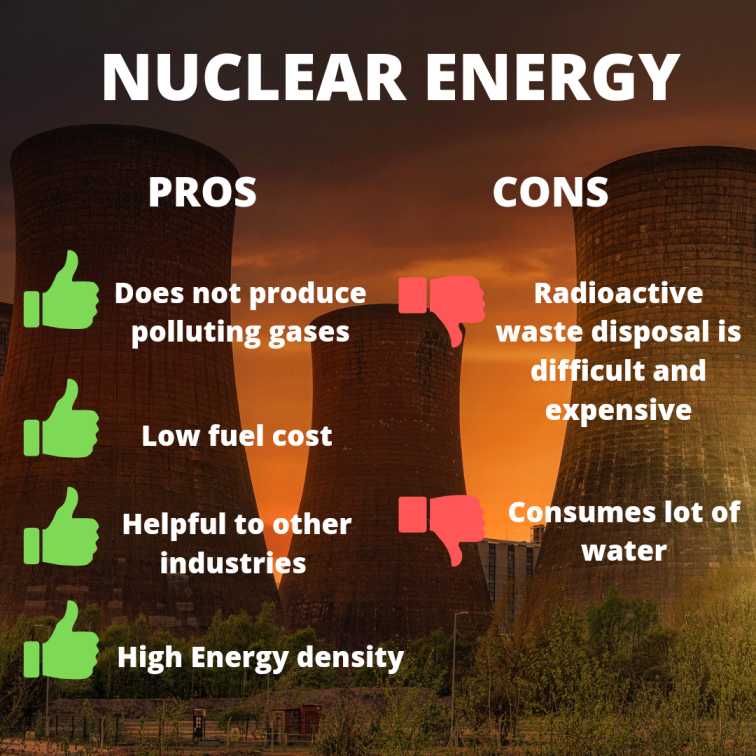
So, is nuclear power all bad? Not necessarily. It does produce relatively low carbon emissions during operation, which is a definite plus. But the risks and environmental impacts are significant and cannot be ignored. We need to weigh the pros and cons carefully and consider whether nuclear power is truly the best option for a cleaner planet. Maybe Uncle Jerry needs to do a little more research before his next BBQ pronouncements!
Ultimately, the question isn't simply "is nuclear power good or bad?" It's "is nuclear power the best solution given the alternatives?" And that's a question that requires a lot more than just burger flipping skills to answer.