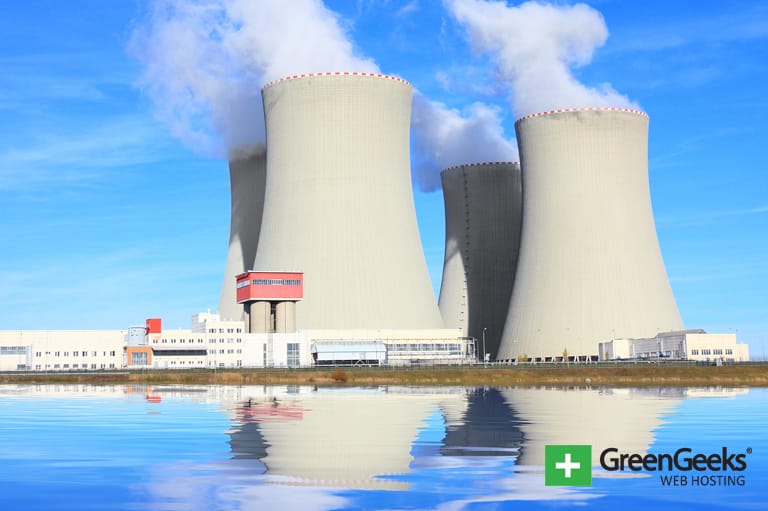
Why Is Nuclear Energy Good For The Environment
Hey there, friend! Ever feel like we're stuck between a rock and a hard place when it comes to energy? Like, we need power, but burning fossil fuels feels like… well, burning the planet? Don't worry, there's a superhero in disguise waiting to save the day: it’s nuclear energy!
Clean Air, Clear Skies
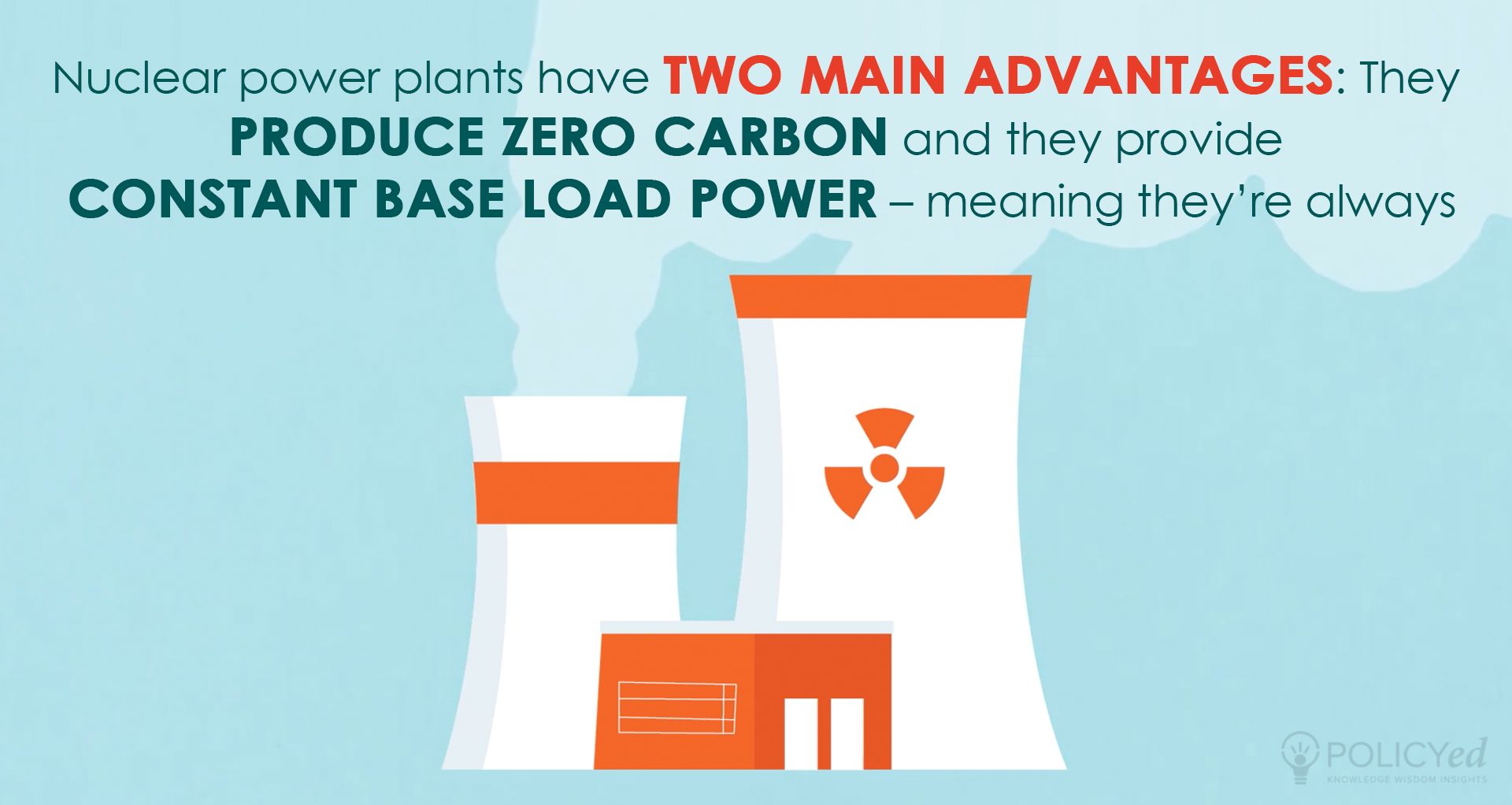
Okay, let's be real. When you think "nuclear," you might picture mushroom clouds and glowing green goo. But the reality is much different, and way less dramatic. One of the biggest benefits of nuclear energy is that it produces virtually no greenhouse gas emissions during operation. Zip. Zilch. Nada!
Think about it: no smoke stacks belching out carbon dioxide into the atmosphere. Instead, we get clean energy that doesn’t contribute to climate change. Isn’t that something we can all get behind? (Especially if you, like me, enjoy breathing.)
Must Read
Land Use: Small Footprint, Big Power
Now, I know what you're thinking: "But nuclear plants must take up tons of space!" Actually, compared to other energy sources, they use a surprisingly small amount of land. A nuclear power plant can generate a huge amount of electricity on a relatively compact site. We're talking about powering entire cities with a footprint smaller than a golf course! (Okay, maybe a really big golf course, but still!)
Solar farms and wind farms, while also awesome in their own right, often need sprawling landscapes to capture enough energy. Nuclear plants are like the efficiency experts of the energy world. They’re the Mary Poppins of power generation – practically perfect in every way (almost!).

Reliable Energy, Day and Night
Imagine relying on the sun for all your power… at night. Yeah, good luck with that! Or hoping the wind blows constantly... while you're trying to watch your favorite show. Nuclear energy doesn't have those problems. It's a reliable and consistent source of power, 24/7, 365 days a year. No weather dependencies, no temperamental turbines. Just pure, dependable energy.
That means we can keep the lights on, the factories running, and the internet humming, even when the sun's taking a nap or the wind's on vacation. It's the energy equivalent of that friend who's always there for you, no matter what.
Waste Not, Want Not (Well, Kind Of)
Okay, let's address the elephant in the room: nuclear waste. Yes, it's a real thing. But here's the thing: the amount of waste produced is relatively small compared to the amount of energy generated. All of the used nuclear fuel produced in the U.S. over the last 60 years could fit on a single football field…stacked about 20 feet high. That's manageable, right?

Plus, scientists are constantly working on new and innovative ways to recycle and reduce nuclear waste. They're like the Marie Kondos of nuclear materials, always finding ways to tidy things up and make the most of what we have. And future reactors may even be able to use today’s “waste” as fuel! How cool is that?!
The Future is Bright (and Nuclear-Powered?)
So, is nuclear energy perfect? Nope. Nothing is. But is it a really good option for creating a cleaner, more sustainable energy future? Absolutely! It helps reduce greenhouse gas emissions, uses land efficiently, and provides reliable power. And with ongoing research and development, it's only going to get better.

Think of it this way: embracing nuclear energy isn't just about powering our homes and businesses. It's about investing in a healthier planet for ourselves and future generations. It's about leaving behind a world where clean air and clear skies are the norm, not just a dream. And isn't that something worth striving for?
So, next time you hear someone talking about nuclear energy, remember: it's not just about splitting atoms; it's about splitting the atom of doubt and embracing a brighter, cleaner, and more sustainable future. Go team nuclear! (Okay, I’ll work on the slogan.)
In short, nuclear energy is good for the environment because it's a powerful, reliable, and relatively clean source of energy that can help us reduce our carbon footprint and create a more sustainable future. What’s not to love about that?