Why Is Nuclear Energy Considered Nonrenewable
Okay, let's talk about nuclear energy! Now, I know what you might be thinking: "Nuclear? That sounds complicated and maybe even a little scary!" But trust me, understanding where our energy comes from and how it's classified is super important in a world grappling with climate change. And classifying energy sources as renewable or nonrenewable is key to making informed decisions about our future. So, let’s dive into the question: Why is nuclear energy considered nonrenewable?
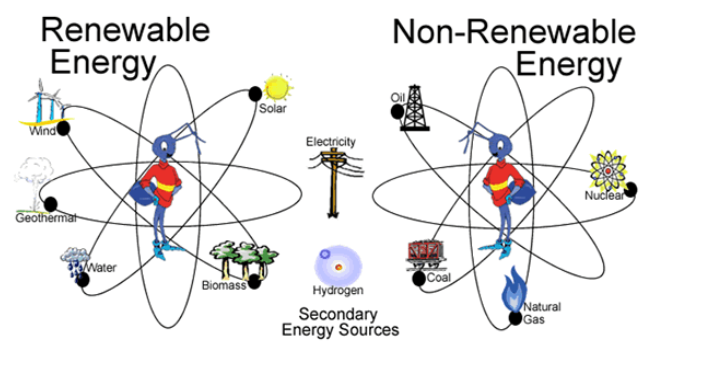
First, let's clarify the purpose of even classifying energy sources. Basically, we want to know if we're going to run out of something! Renewable energy, like solar and wind, replenishes itself naturally. Think of it like a never-ending pizza party – as long as the sun shines and the wind blows, we can keep the slices coming! Nonrenewable energy, on the other hand, is a finite resource. It's like a single, delicious, but definitely limited cake.
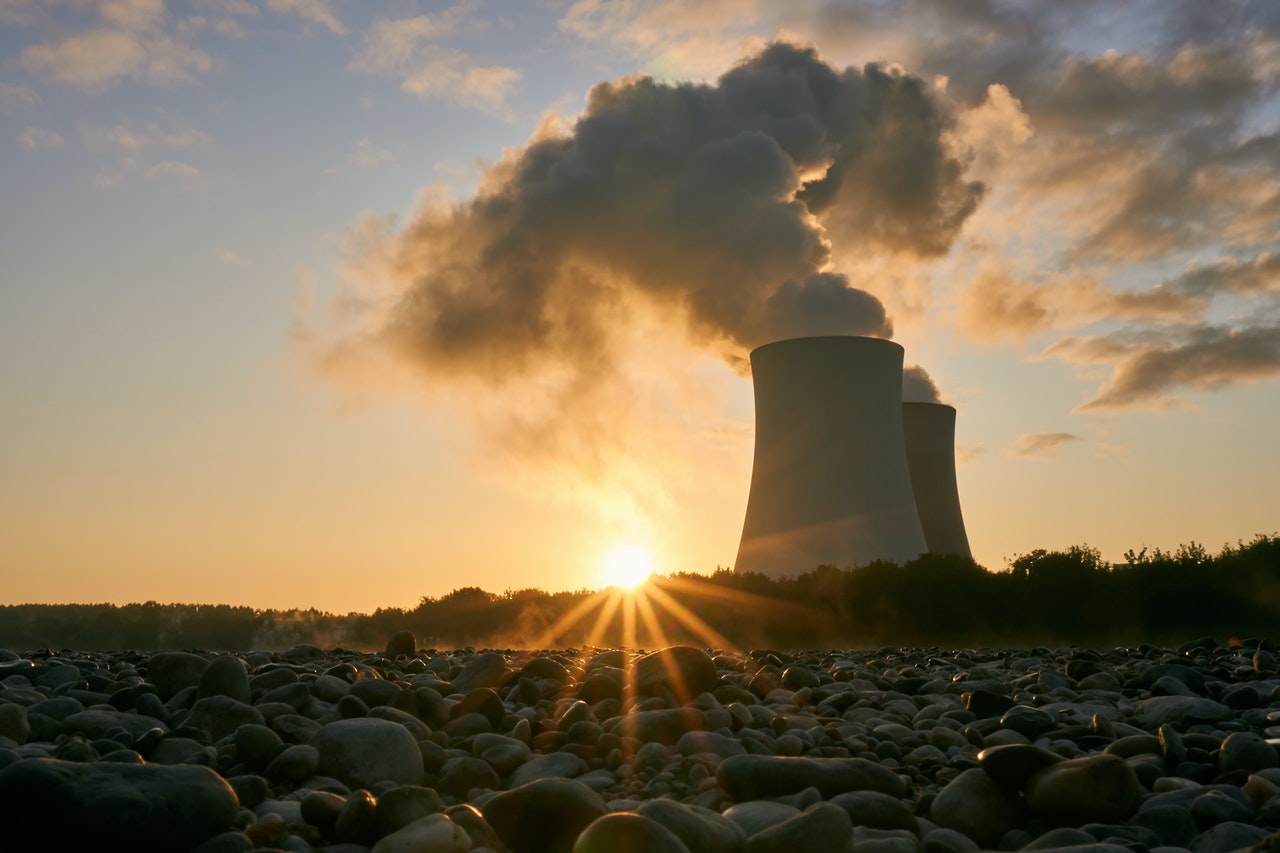
Nuclear energy is created through a process called nuclear fission. In fission, we split the nucleus of an atom, usually uranium, releasing a tremendous amount of heat. That heat then boils water, creates steam, and spins a turbine to generate electricity. So, the benefit of nuclear energy is that it's incredibly powerful and doesn't directly produce greenhouse gasses during electricity generation. It's a low-carbon energy source that can provide a consistent and reliable power supply, unlike some renewable sources that depend on weather conditions.
Must Read
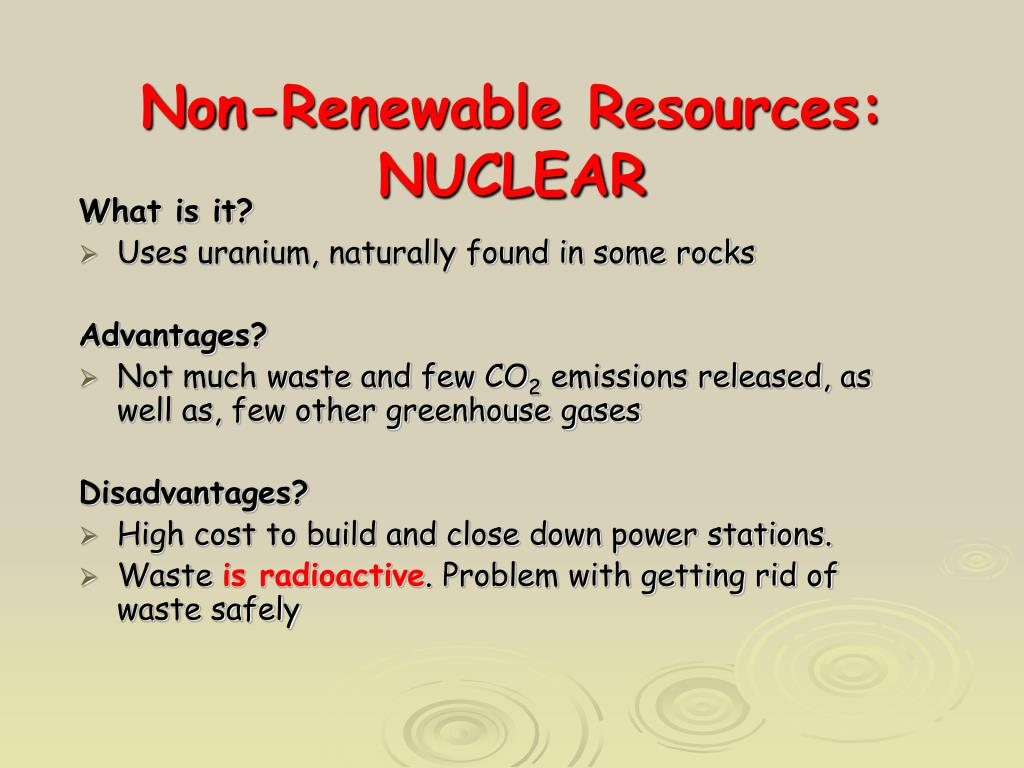
So, where's the catch? Why isn't nuclear considered renewable if it's so great? The issue lies with the fuel: uranium. Uranium is a naturally occurring element found in the Earth's crust, but it's not an infinite resource. It needs to be mined, processed, and enriched to be used in nuclear reactors. While there's a decent amount of uranium available, geological processes create it far too slowly to replenish what we use at a reasonable rate. Think of it like a really, really slow-growing vegetable garden – you might have a good harvest for a while, but eventually, you'll run out of plants if you don't manage your resources carefully.

Even though uranium is technically finite, there are ongoing debates and advancements in the nuclear field. For example, some argue that using breeder reactors, which can create more fissile material than they consume, could stretch uranium supplies significantly. Also, there's research into using thorium, another element found in the Earth's crust, as a fuel source. Thorium is more abundant than uranium. Fast breeder reactors also produce plutonium, which is not naturally found, and can be separated and used as the nuclear fuel. These advancements could potentially shift the classification of nuclear energy in the future.
In conclusion, nuclear energy is currently classified as nonrenewable because its primary fuel, uranium, is a finite resource that is mined from the Earth. Although it offers significant benefits in terms of low-carbon energy production, the availability of uranium ultimately limits its long-term sustainability under current technologies. However, ongoing research and development in nuclear technology could potentially change this classification in the future. So, while we can't call it a never-ending pizza party just yet, nuclear energy remains a crucial part of the energy conversation!