Why Is Nuclear Energy Bad For The Environment
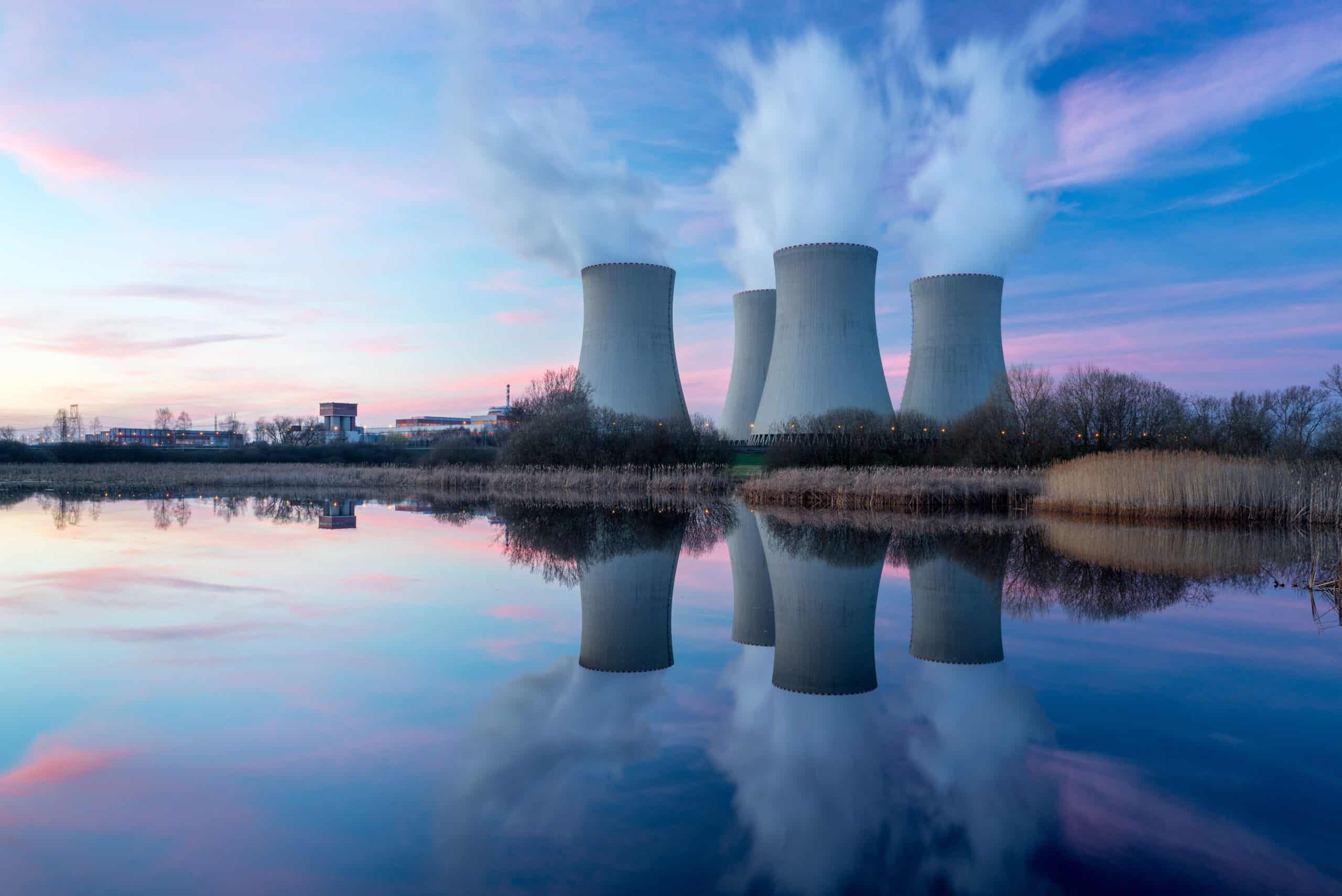
Let's be honest, flicking on a light switch and having instant illumination is pretty magical. We rarely think about it, but much of our modern lives are powered by energy sources, and for a long time, nuclear energy has been touted as a powerful solution. It conjures images of gleaming power plants, silently humming and churning out electricity to fuel our cities. But is it really all that "clean" and "green"? Let's delve into why nuclear energy, despite its potential, might not be the environmental champion it's often portrayed to be.
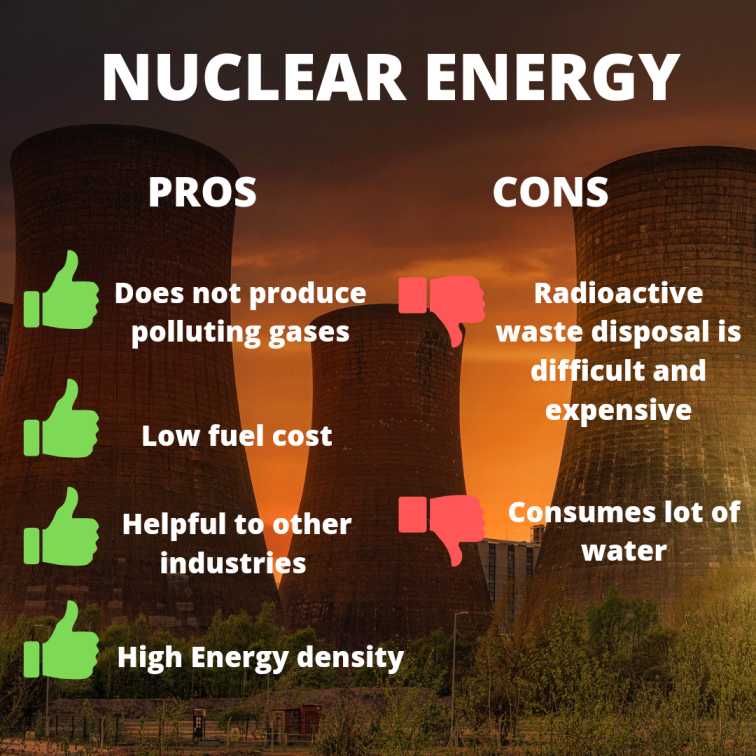
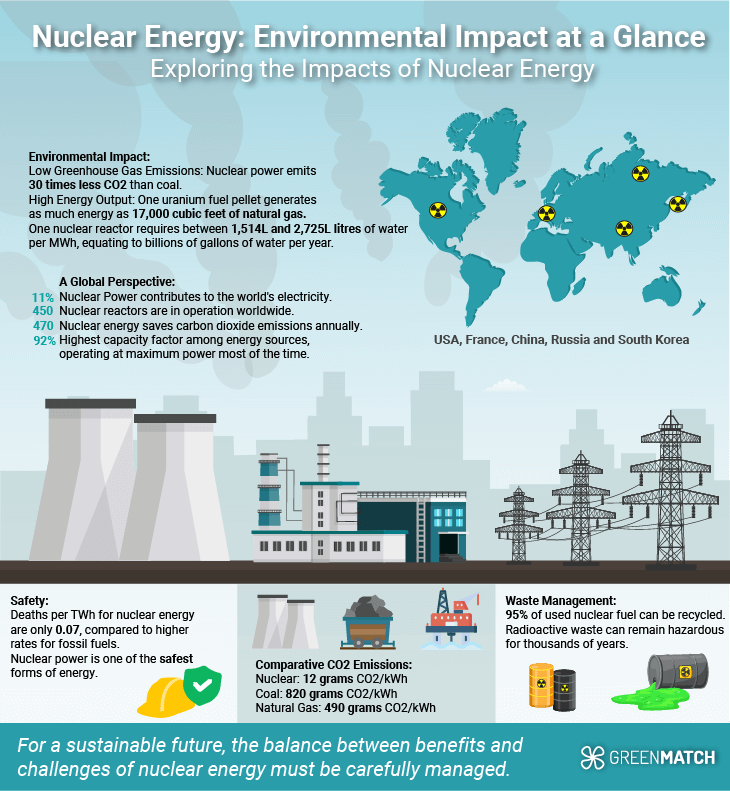
One of the biggest arguments for nuclear energy is its efficiency. A relatively small amount of uranium fuel can generate a huge amount of electricity. This is crucial for powering our homes, hospitals, factories, and even electric vehicles. Think of the smartphones we're all glued to, the life-saving medical equipment in hospitals, or the climate-controlled comfort we enjoy in our homes – nuclear power often plays a role in making those things possible. Nuclear power plants operate continuously, providing a stable and reliable energy source, unlike solar or wind power which are dependent on weather conditions. In many countries, nuclear power is a cornerstone of their energy strategy, aiming to provide energy independence and reduce reliance on fossil fuels.
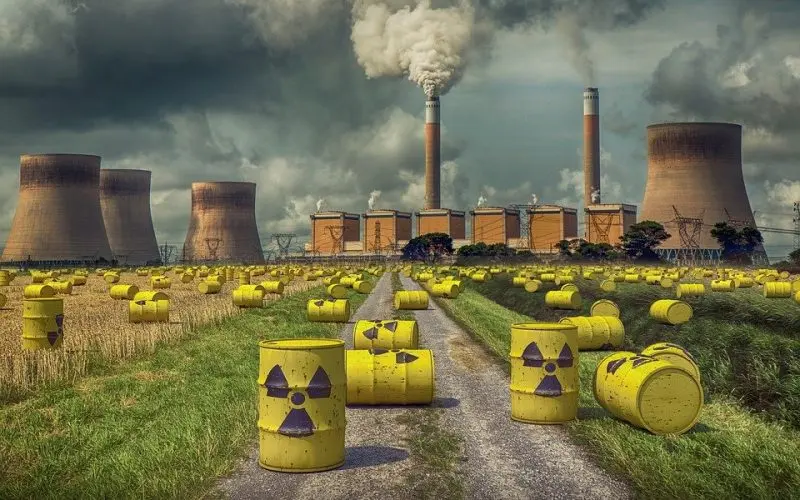
However, the devil is in the details, or in this case, the radioactive waste. When nuclear fuel is "spent" (though it still remains radioactive), it becomes nuclear waste. This waste remains dangerous for thousands of years, requiring extremely careful and costly long-term storage. Imagine needing to store something hazardous for longer than human civilization has even existed! There's no perfect solution for this problem yet, and the waste is often stored in temporary facilities, raising concerns about potential leaks and environmental contamination.
Must Read
Then there's the issue of accidents. While rare, nuclear accidents like Chernobyl and Fukushima have shown the devastating impact they can have on the environment and human health. These disasters release radioactive materials into the atmosphere and surrounding areas, contaminating land, water, and food supplies. The long-term effects can include increased cancer rates, genetic mutations, and displacement of entire communities. Even with safety regulations, the risk, though seemingly small, remains a significant concern.
Mining uranium, the fuel source for nuclear reactors, also has its own environmental footprint. The mining process can disrupt ecosystems, release harmful chemicals, and generate radioactive waste. Furthermore, the construction of nuclear power plants themselves can have a significant impact on local ecosystems, requiring large amounts of land and water resources.
So, how do we enjoy the benefits of energy without contributing to the environmental downsides of nuclear power? Firstly, advocating for stronger safety regulations and responsible waste management is crucial. Secondly, supporting research and development into safer and more sustainable nuclear technologies, like thorium reactors, can help mitigate some of the risks. And finally, perhaps most importantly, supporting the growth and development of renewable energy sources like solar, wind, and geothermal power can provide alternatives that are inherently cleaner and less prone to catastrophic accidents. We can strive for a future where the lights stay on, but without the long-lasting shadow of nuclear waste.