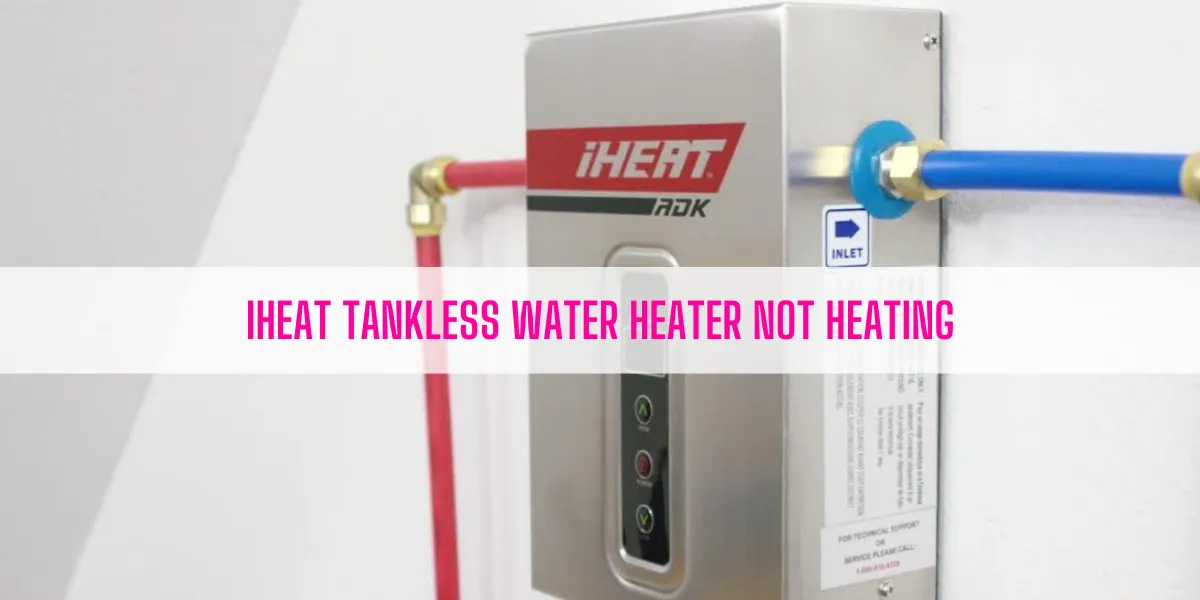
Why Is My Tankless Water Heater Not Staying Hot
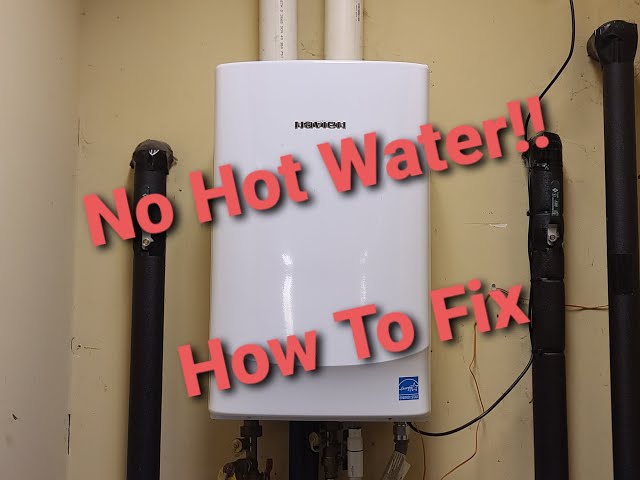
Ever stepped into the shower, eagerly anticipating a cascade of hot water, only to be greeted by a lukewarm trickle that quickly fades to icy cold? It's a frustrating experience, especially when you're relying on a tankless water heater, a device known for its on-demand hot water promise. But what happens when that promise is broken? Understanding why your tankless water heater isn't staying hot is a bit like detective work, and the solution is often simpler than you think. So, let's dive in and unravel this mystery!
Tankless water heaters, also known as on-demand water heaters, are designed to heat water only when you need it. Unlike traditional tank water heaters that constantly heat and store a large volume of water, tankless models fire up a powerful burner when a hot water tap is turned on. This heats the water as it flows through the unit, providing a continuous supply of hot water without the energy waste of keeping a tank constantly warm. The benefits are numerous: energy savings (you only pay for what you use!), space savings (they're usually much smaller than tanks), and the theoretically endless hot water supply.
Think about the applications! In a school science lab, a tankless water heater can provide a reliable source of hot water for experiments, ensuring consistent and repeatable results. At home, imagine taking back-to-back showers without fear of running out of hot water, or filling a large jacuzzi tub without a second thought. Even washing a mountain of laundry becomes less daunting when you know hot water won't be an issue. These are just a few examples of how tankless water heaters can improve our daily lives.
Must Read
Now, let's get to the bottom of the problem. There are several common reasons why your tankless water heater might be struggling to stay hot. One of the most frequent culprits is overloading. Tankless heaters have a maximum flow rate, meaning they can only heat a certain amount of water at a specific temperature rise. If you're running multiple hot water appliances simultaneously – a shower, a dishwasher, and a washing machine, for instance – you might be exceeding the heater's capacity. Try running only one or two at a time to see if that improves the water temperature.
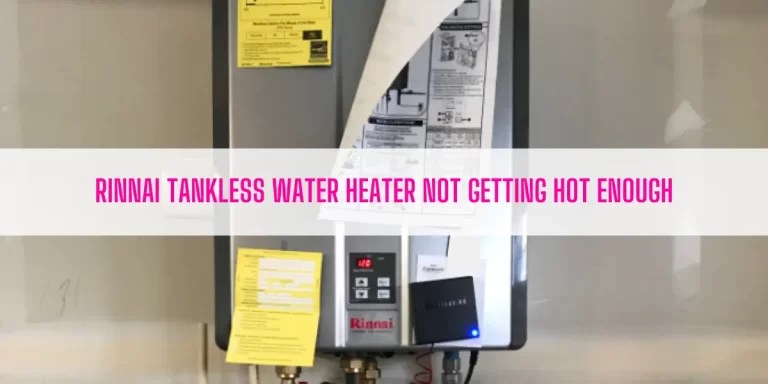
Another potential issue is incorrect sizing. If your tankless heater is too small for your household's needs, it simply won't be able to keep up with the demand. A qualified plumber can assess your hot water usage and recommend an appropriately sized unit. Mineral buildup, or scaling, can also significantly impact performance. Hard water contains minerals like calcium and magnesium that can accumulate inside the heat exchanger, reducing its efficiency and restricting water flow. Regular descaling, typically done annually, is crucial for maintaining optimal performance. Look for descaling kits specifically designed for tankless water heaters.
Finally, don't overlook the simple things. Check your heater's temperature setting. It might sound obvious, but sometimes the thermostat gets accidentally lowered. Also, ensure that your gas supply is adequate. If you're experiencing low gas pressure, the heater might not be able to fire up to its full potential. Contact your gas company if you suspect a problem. To explore your tankless water heater further, consult your owner's manual – it's packed with valuable information about troubleshooting and maintenance. Many manufacturers also offer online resources and support. You could even try a simple flow rate test: time how long it takes to fill a bucket with hot water to see if it matches the heater's specifications. With a little investigation, you can often restore your tankless water heater to its hot water glory!