
Why Is My Smoke Detector Beeping Every 30 Seconds
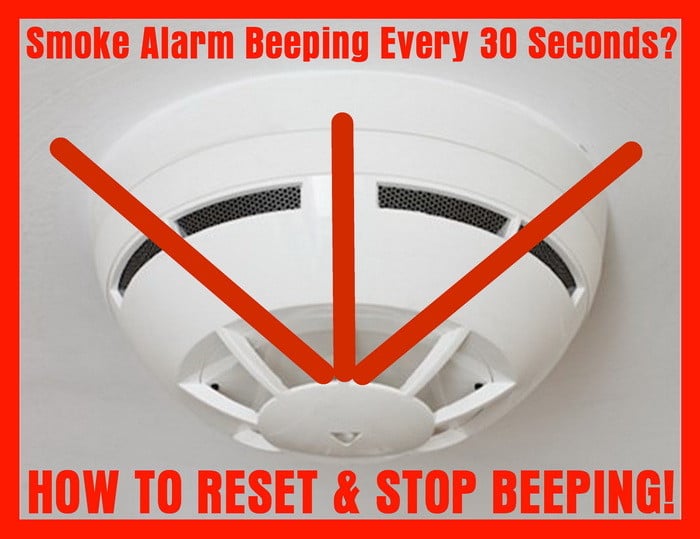
Ah, the sweet symphony of silence. A quiet evening, perhaps a good book, maybe even a valiant attempt at a full eight hours of sleep. Then, BEEP! You jolt upright. What was that? A single, sharp, piercing sound that echoes in the stillness. You strain your ears, trying to locate the source, half-expecting a poltergeist or a particularly aggressive cricket. Then, precisely 30 seconds later: BEEP!
Welcome, my friend, to the exclusive club of people whose sanity is currently being held hostage by a tiny, plastic, ceiling-mounted auditory terrorist. Your smoke detector, that ever-vigilant sentinel of safety, has decided to transition from silent protector to incessant, rhythmic tormentor.
The Universal Sign of Impending Annoyance
Let's cut to the chase, because I know you're probably reading this in a sleep-deprived haze, with one ear cocked for the next sonic assault. The sound you're hearing – that rhythmic, perfectly timed BEEP every 30 seconds – is almost always, universally, and without a shadow of a doubt, a cry for help from your smoke detector's battery.
Must Read
Yes, that's it. No fire. No carbon monoxide leak (usually, unless it’s a CO detector, which often has a different beep pattern, just to keep things interesting). Just a tiny battery gremlin inside your device, waving a white flag and loudly declaring, "I'm running on fumes here, folks!"
Why 30 Seconds? Because It Hates You. (Not Really)
You might wonder, why 30 seconds? Why not a cheerful little jingle? Or a subtle flashing light? The answer is simple: it wants you to notice. If it just beeped once every hour, you might never connect the dots, or you’d just think it was your neighbour's questionable musical taste. The 30-second interval is specifically designed to be annoying enough to wake you up, grab your attention, and slowly but surely, drive you to the point of desperate action. It's a masterclass in psychological warfare.
And, of course, it always seems to start at 3 AM. Why? Because the battery tends to dip below the acceptable voltage threshold when the ambient temperature is at its coolest, usually in the wee hours. So, yeah, blame physics for your lack of beauty sleep.
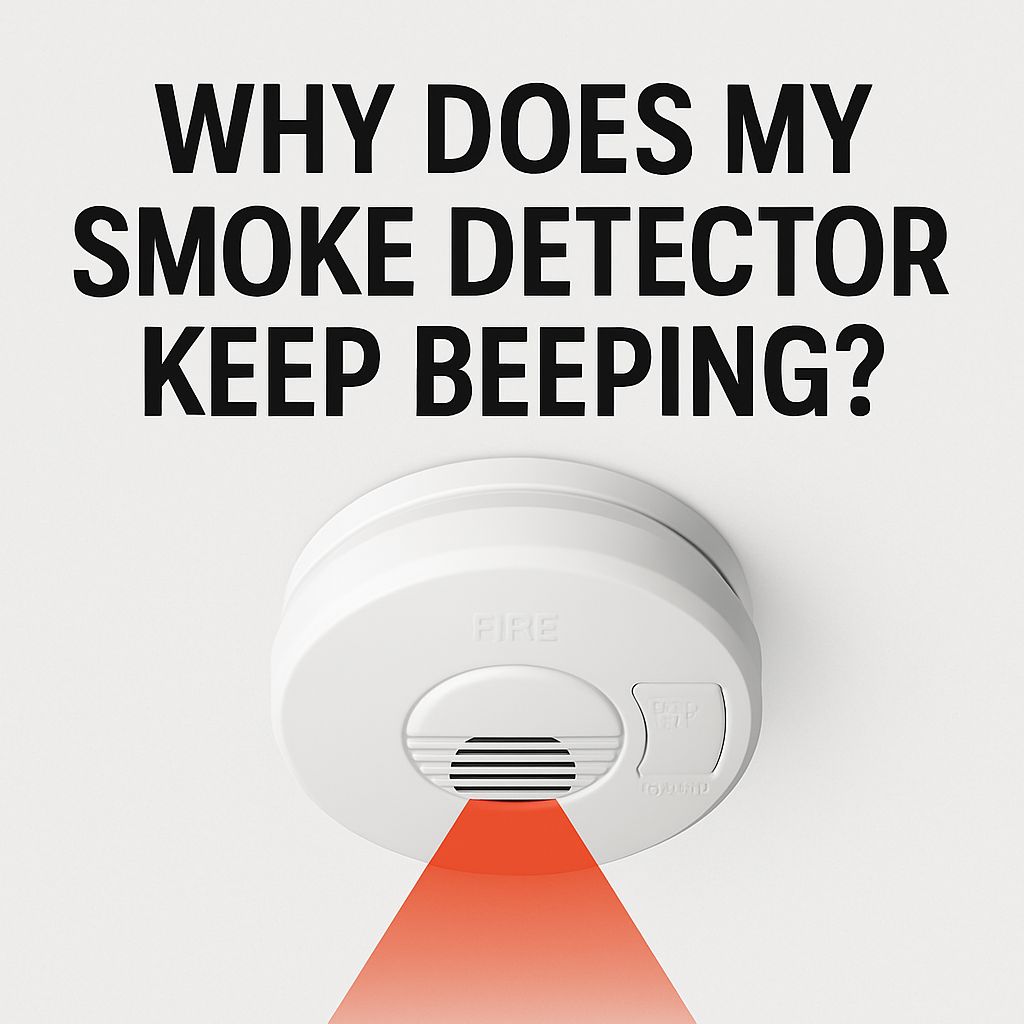
Operation: Silence the Beast (Temporarily)
Okay, so you've identified the source. Now what? First, take a deep breath. Then, grab a sturdy chair or a stepladder. You're going on a vertical adventure.
Most smoke detectors attach to a mounting plate with a simple twist. Gently twist the unit counter-clockwise. It should come free. Once it's in your hands, open the battery compartment. It’s usually a little slide-out drawer or a flap.
Remove the battery. You'll likely find a 9-volt (that classic rectangular one with two nubs), or sometimes AA/AAA batteries, depending on your model. Once the battery is out, the beeping will (blissfully!) stop. If it continues for a few seconds, it might be the capacitor discharging. This is normal.
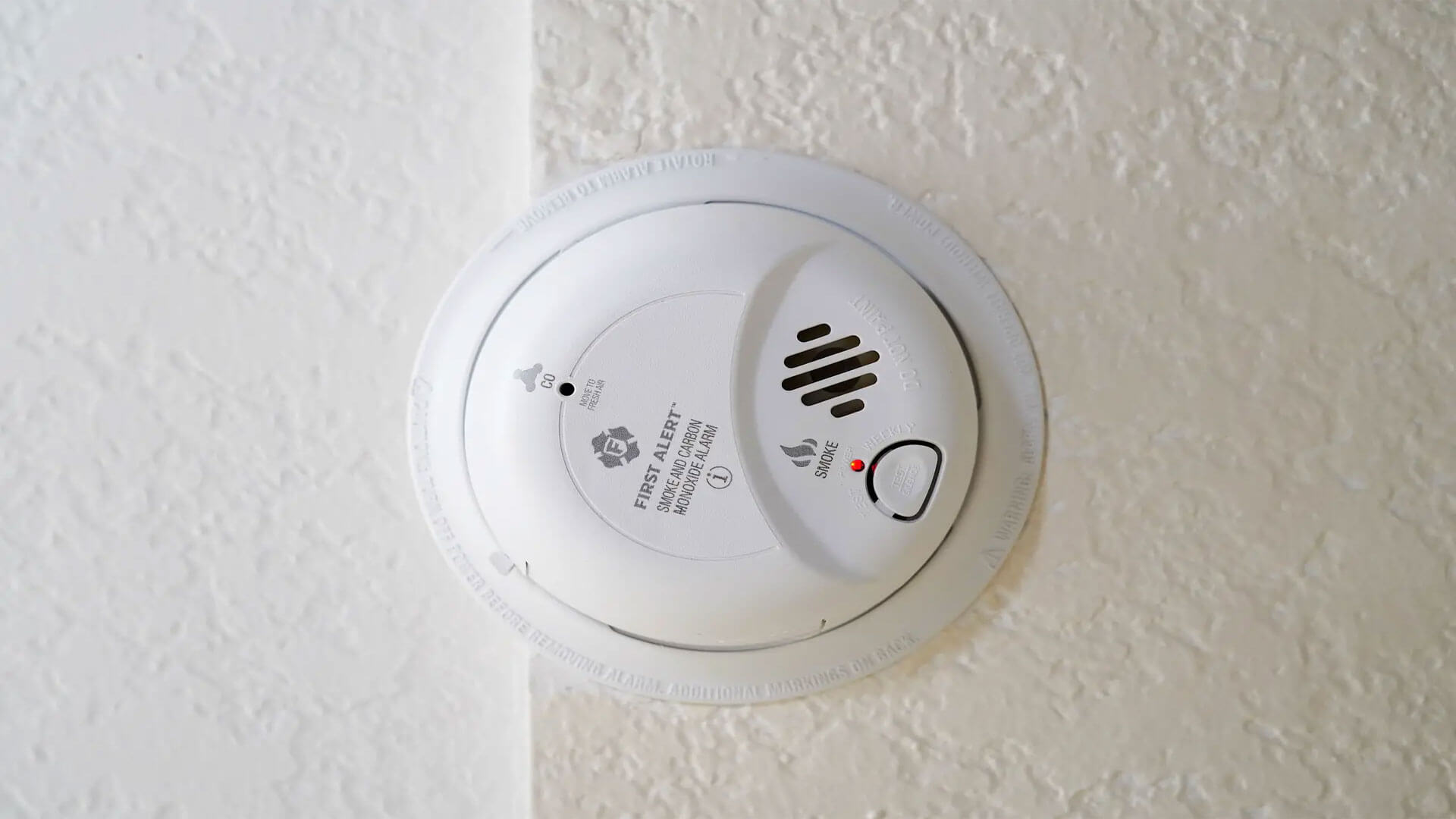
A quick tip: While it's down, give it a gentle puff of air or a wipe with a cloth. Sometimes dust or tiny cobwebs can accumulate inside and trigger false alarms too. But the 30-second beep? Almost always the battery.
The True Solution: Battery Replacement (The Hero's Journey)
Removing the battery is a temporary truce, not a victory. Your home is now unprotected. Your next quest, should you choose to accept it, is to get a fresh battery.
Make a note of the battery type you just removed. Head to the store. Buy a fresh one. Don't be tempted by the "bargain bin" batteries unless you enjoy this whole midnight detective routine. Get a good quality alkaline or lithium battery.
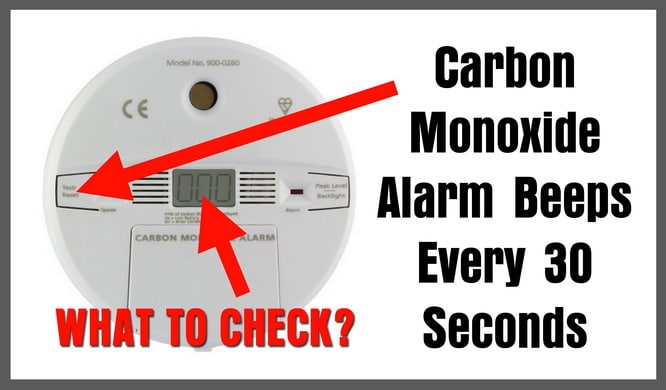
Once you have your new power source, install it. Reattach the smoke detector to its ceiling mount with a clockwise twist until it clicks. Most units have a "test" button – give it a press. It should emit a loud, continuous shriek. This is a good thing! It means it's working.
Beyond the Battery: When Your Detector Needs a Retirement Party
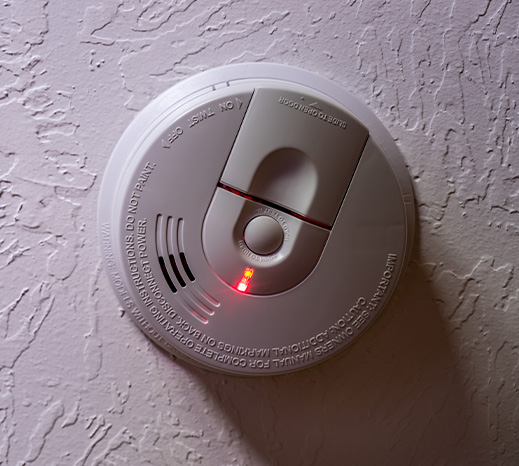
Here's a surprising fact that many people don't know: smoke detectors have an expiry date! Yes, really. Most manufacturers recommend replacing the entire unit every 10 years. Look on the back of your detector; there's usually a "replace by" date.
Why? Because the sensor inside degrades over time. It becomes less effective at detecting smoke, even if the battery is fresh and the "test" button works. So if your perpetually beeping friend is also sporting a decade-long service record, it might be time for a full replacement, not just a battery swap. Think of it as a well-deserved retirement for a faithful, albeit sometimes annoying, guardian.
Other Pesky Beeps (Just for Fun)
While the 30-second beep is your low battery siren, other beeps exist just to keep you on your toes. A few rapid beeps followed by a pause might indicate a malfunction. Steam from a shower or cooking fumes can trigger a full-blown, ear-splitting alarm – not a 30-second beep, but a full "get out now!" wail. This is why you should avoid placing smoke detectors directly above stoves or inside bathrooms. Unless you enjoy impromptu rave parties with your appliance.
And if you have interconnected smoke detectors, changing one battery might not stop the others from protesting until you address all the low-battery units. It’s a group tantrum, basically.
The Sweet Sound of Silence (Again)
So there you have it. The mystery of the 30-second beep, solved. It's not a ghost, it's not a secret government surveillance device (probably), and it's almost certainly not a major emergency. It's just a tiny, desperate plea from a dying battery.
Now you're armed with the knowledge to silence that rhythmic tormentor and restore peace to your domain. Go forth, replace that battery, and enjoy the sweet, sweet sound of nothing at all. And maybe, just maybe, buy a pack of spare batteries so you're ready for the next time your plastic sentinel decides to hold your sleep hostage. Because it will. Oh, it absolutely will.