
Why Is My Oil Pressure So High
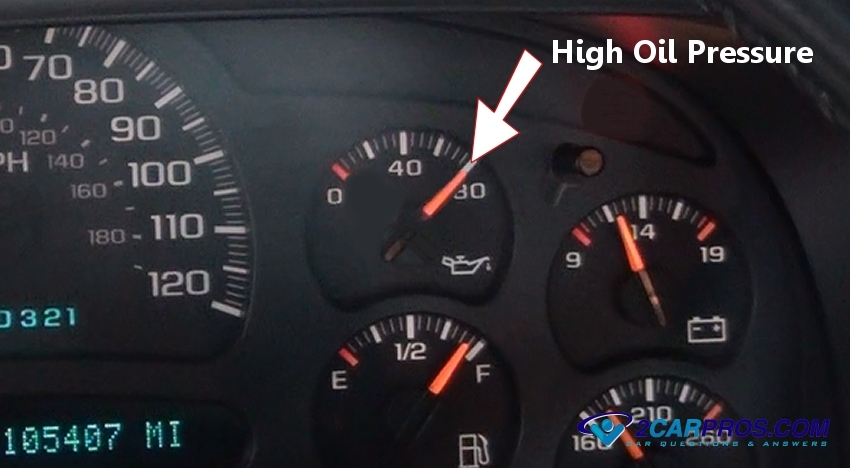
Alright, picture this: I'm cruising down the highway, windows down, singing terribly along to some 90s pop anthem, feeling like a million bucks. Suddenly, my eyes drift to the dash, and there it is. My oil pressure gauge. It’s not just up, it's practically trying to escape the bezel, pointing north like an excited puppy that just spotted a squirrel. My first thought? "Oh, great, something else to worry about!" My second? "Isn't high pressure… good?"
And that, my friends, is the curious case we're diving into today. Because while we're all trained to panic when the oil pressure dips low (and rightly so, that's usually bad news bears), a super-high reading can be just as much of a head-scratcher. It's like finding a unicorn – looks cool, but you still have questions, right? Let's unpack this automotive enigma.
The "It's Cold Outside" Phenomenon (and Why it's Usually Fine)
Ever notice your oil pressure needle doing a little jig when you first fire up your engine on a frosty morning? That's actually pretty common, and often, nothing to worry about. When your engine is cold, the oil is thicker – think molasses trying to squeeze through a tiny straw. This increased viscosity means it takes more pressure to pump it around the system.
Must Read
Your engine's oil pump is working harder to get that thick stuff moving. As the engine warms up, the oil thins out, and you should see the pressure normalize. If it drops back to its usual happy place after a few minutes, you're likely in the clear. Phew!
Wrong Oil, Wrong Time (Oops!)
Okay, confession time. Have you ever, perhaps in a moment of existential crisis at the auto parts store, picked up the wrong oil? Maybe your car calls for 5W-30, but you accidentally grabbed a bottle of 15W-40, thinking "thicker must be better, right?" Wrong!

Using oil that's too thick for your engine's specifications or the ambient temperature can cause that high pressure reading. Your oil pump is designed to handle a specific range of viscosities. Introduce something too heavy, and it's like asking a bouncer to move a fridge – he can do it, but he's gonna be straining, and so is your oil system. Always double-check your owner's manual!
The Stuck Pressure Relief Valve (The Unsung Hero's Malfunction)
Every oil pump has a little gadget called a pressure relief valve. Its job? To make sure the oil pressure doesn't get ridiculously high. When pressure builds up past a certain point, this valve opens, allowing some oil to bypass the system and reduce the pressure. It’s essentially a safety net.
But what if it gets stuck closed? Yep, you guessed it. The pressure has nowhere to go but up. This can be due to debris, sludge, or just plain wear and tear. If this valve isn't doing its job, you'll see consistently high pressure, which can stress seals and gaskets, potentially leading to leaks. Not fun, trust me.

The Clogged Oil Filter (A Simple Fix, Maybe?)
When was the last time you changed your oil filter? Be honest. A severely clogged oil filter is like trying to breathe through a very damp sponge. The oil pump is pushing oil into the filter, but the filter can't pass it through fast enough. This creates a bottleneck, and guess what happens upstream? Pressure builds up!
Many filters have a bypass valve to prevent engine starvation if it gets too clogged, but even then, initial pressure might still spike. This is a good reminder that a simple maintenance item can have a noticeable impact. A quick filter swap might just be the ticket.

Blocked Oil Passages (The More Serious Stuff)
Now, let's talk about something a bit more concerning: blocked oil passages within the engine. Think of your engine's internal oil galleries as its circulatory system. If these "arteries" get clogged with sludge, carbon deposits, or foreign debris (often from neglecting oil changes), the oil can't flow freely.
The pump keeps pushing, but the restriction causes immense pressure to build up. This isn't just about a high gauge reading; it means parts of your engine might not be getting the lubrication they desperately need, leading to accelerated wear and potentially catastrophic failure. This one is definitely worth a professional look.
Faulty Sensor or Gauge (The Lying Liar Who Lies)
Before you tear your engine apart, let's consider the simplest culprit: a faulty oil pressure sensor or the gauge itself. Sometimes, the problem isn't mechanical at all, but electrical. A failing sensor might be sending incorrect readings to your dashboard, making you believe your pressure is through the roof when it's actually perfectly normal.
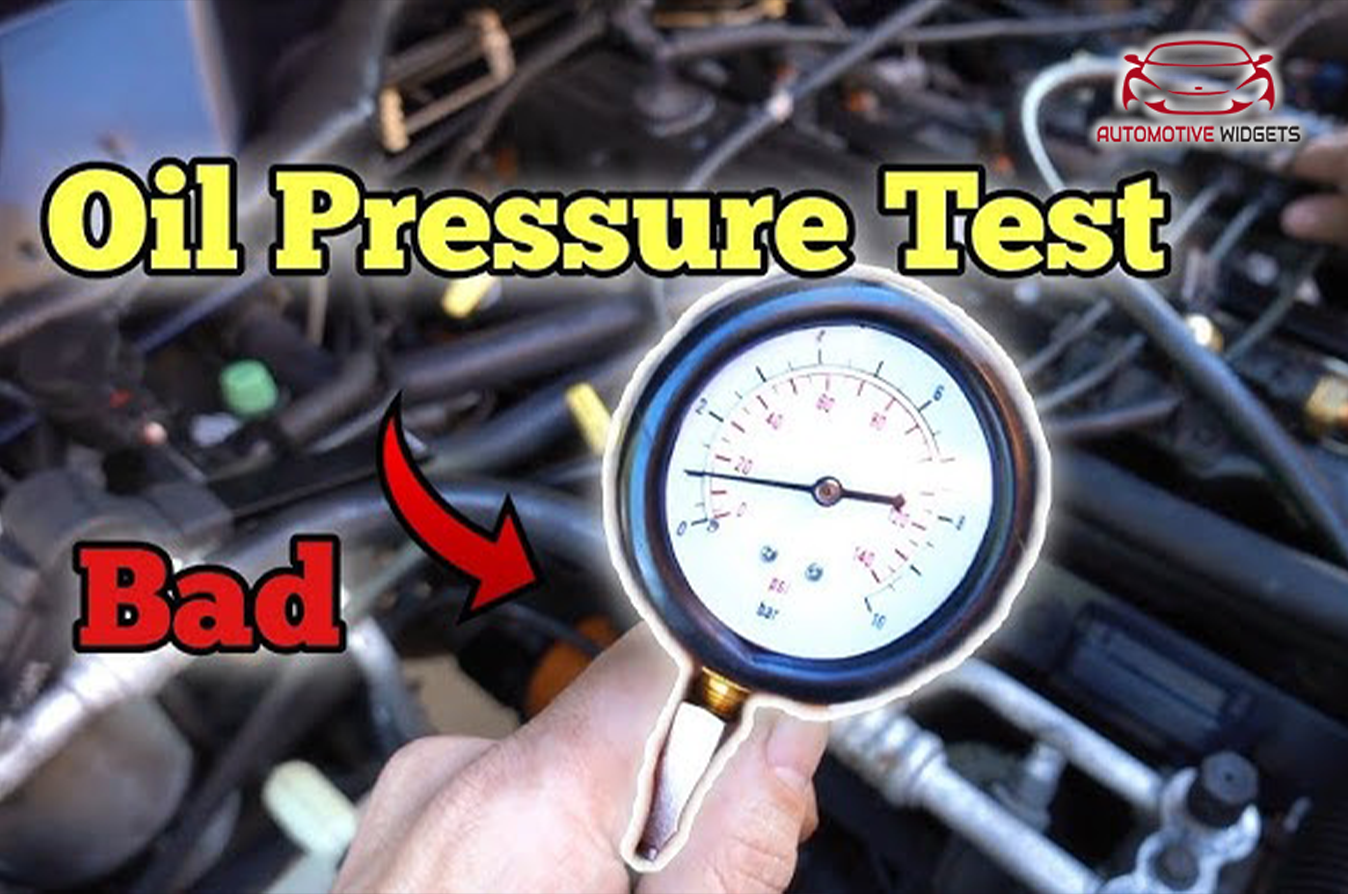
A professional can easily test the actual oil pressure with a mechanical gauge directly at the engine. If the mechanical gauge reads normal, then congratulations, you probably just need a new sensor! Easy peasy, lemon squeezy.
So, What's the Takeaway?
High oil pressure isn't always an immediate "engine-on-fire" emergency, especially if it's just a cold morning phenomenon. But consistent, unusually high readings should never be ignored. It's your car trying to tell you something, and it's usually best to listen.
Start with the easy stuff: check your oil type, remember your last oil and filter change. If in doubt, or if the problem persists, get it checked out by a trusted mechanic. They can diagnose the exact issue, saving you potential headaches (and much larger repair bills) down the road. Stay safe out there, gearheads!