
Why Is My Electricity Delivery Charge So High

Okay, let's talk about something wildly exciting: your electric bill! (Yeah, I know, sounds thrilling, right?) But seriously, have you ever looked at that bill and thought, "Whoa, what's with this delivery charge?" You're not alone. It's like the mystery surcharge of the modern age. So, grab a snack, and let’s dive into the electrifying world of delivery charges!
First, let’s get one thing straight: electricity doesn't just magically appear in your outlets. It’s not like the Tooth Fairy. It’s more like…pizza. You order it (the electricity), someone makes it (a power plant), and then someone else drives it to your door (transmission and distribution companies). That delivery charge? That's basically the pizza delivery guy's tip.
What IS this Delivery Charge Anyway?
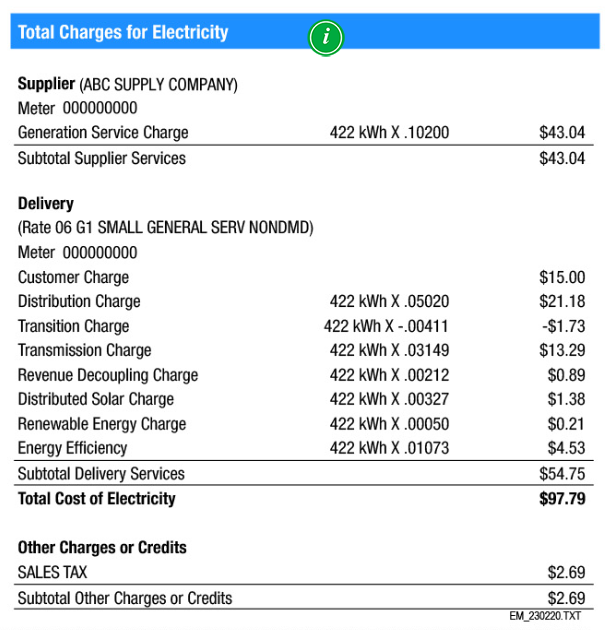
So, what’s this "delivery charge" business all about? Think of it as the cost of building, maintaining, and operating the massive network that gets electricity from the power plant to your home. We're talking power lines, transformers, substations… the whole shebang. It's like the electric grid is a giant, electrified spiderweb, and someone has to keep it from getting tangled!
Must Read
Fun Fact: Did you know that some of those power lines can carry electricity at incredibly high voltages? Like, potentially zap-a-superhero-into-toast levels of voltage! Thankfully, transformers step it down before it reaches your toaster. You're welcome.
Now, why can it sometimes seem SO high? Well, buckle up, because there's a whole host of reasons.
.jpg?format=2500w)
Location, Location, Location!
Where you live plays a huge role. Live way out in the boonies? Think of the pizza guy analogy again. A longer delivery route equals a bigger tip (and in this case, higher maintenance costs for those long, lonely power lines). Live in a densely populated city? There might be lots of underground infrastructure, which can be expensive to maintain.
Quirky Detail: In some areas, the delivery charges are higher because they're investing in upgrading the grid to be more resilient to…squirrels! Seriously. Squirrels are notorious for chewing on electrical equipment and causing outages. So, that extra charge? It might be the "Squirrel Prevention Fee." (Okay, I made that up, but it could be real!)

Infrastructure Upgrades: We're Building a Better (Electric) Mousetrap
Speaking of upgrades, electric grids aren’t exactly new. Some of the infrastructure is downright ancient! Replacing old equipment is crucial, but it ain't cheap. That brand-new substation down the street? Someone's gotta pay for it. And guess who that someone is? Yep, you (through those delivery charges!).
Important Point: These upgrades are often necessary to improve reliability and integrate renewable energy sources like solar and wind. So, even though it stings a bit now, it's an investment in a greener future! Think of it as planting trees that will eventually shade your great-grandchildren… but with electricity.
Demand Charges: Electricity's Rush Hour
Sometimes, a portion of your delivery charge is based on something called "demand." This is basically a measure of how much electricity you use at your peak usage time. Think of it like electricity's rush hour. If you crank up the AC, run the dryer, and start microwaving popcorn all at the same time, you're creating a "demand spike."
Funny Thought: Imagine your appliances are secretly in a competition to see who can hog the most electricity. That's basically what's happening during a demand spike. And the winner (or loser, depending on how you look at it) gets to inflate your delivery charge!
Regulations and Rates: The Bureaucracy Behind the Buzz
Let's be honest, the electricity industry is heavily regulated. Different states and regions have different rules about how delivery charges are calculated and how much utilities can charge. It's all very… bureaucratic. But these regulations are often in place to protect consumers and ensure fair pricing (at least, that's the idea!).
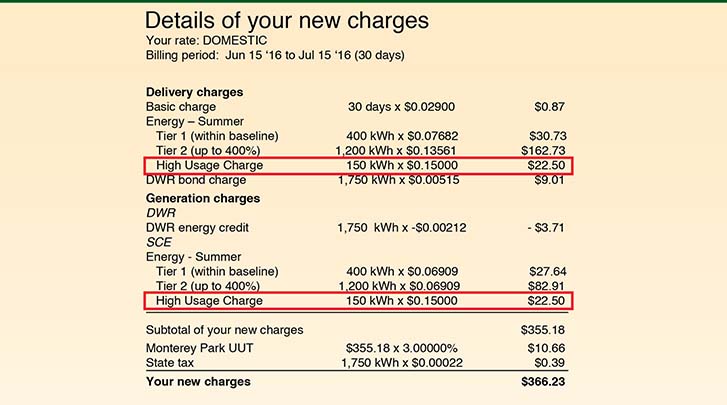
Intriguing Note: Some utilities have "time-of-use" rates, where electricity is cheaper during off-peak hours. This can incentivize you to use less electricity during those high-demand times, potentially lowering your overall bill! Think of it as the electricity company trying to bribe you to do laundry at 3 AM.
What Can You Do About It?
So, you're probably thinking, "Okay, this is all fascinating (sort of), but what can I do about it?" Here are a few tips:
- Conserve energy: Obvious, but effective! Turn off lights, unplug electronics, and use energy-efficient appliances.
- Shop around (if possible): In some areas, you can choose your electricity supplier. Compare rates and find the best deal.
- Check your bill carefully: Make sure you understand all the charges and fees. Contact your utility company if you have any questions.
- Lobby for change: Contact your elected officials and advocate for policies that promote affordable and reliable electricity.
Ultimately, understanding your electricity delivery charge is like unraveling a complex mystery. It's a combination of location, infrastructure, demand, and regulations. While you might not be able to eliminate it entirely, being informed can help you make smarter choices and potentially save some money. And hey, at least now you have some fun facts to share at your next dinner party! (Prepare for blank stares.)