Why Is It So Windy All The Time
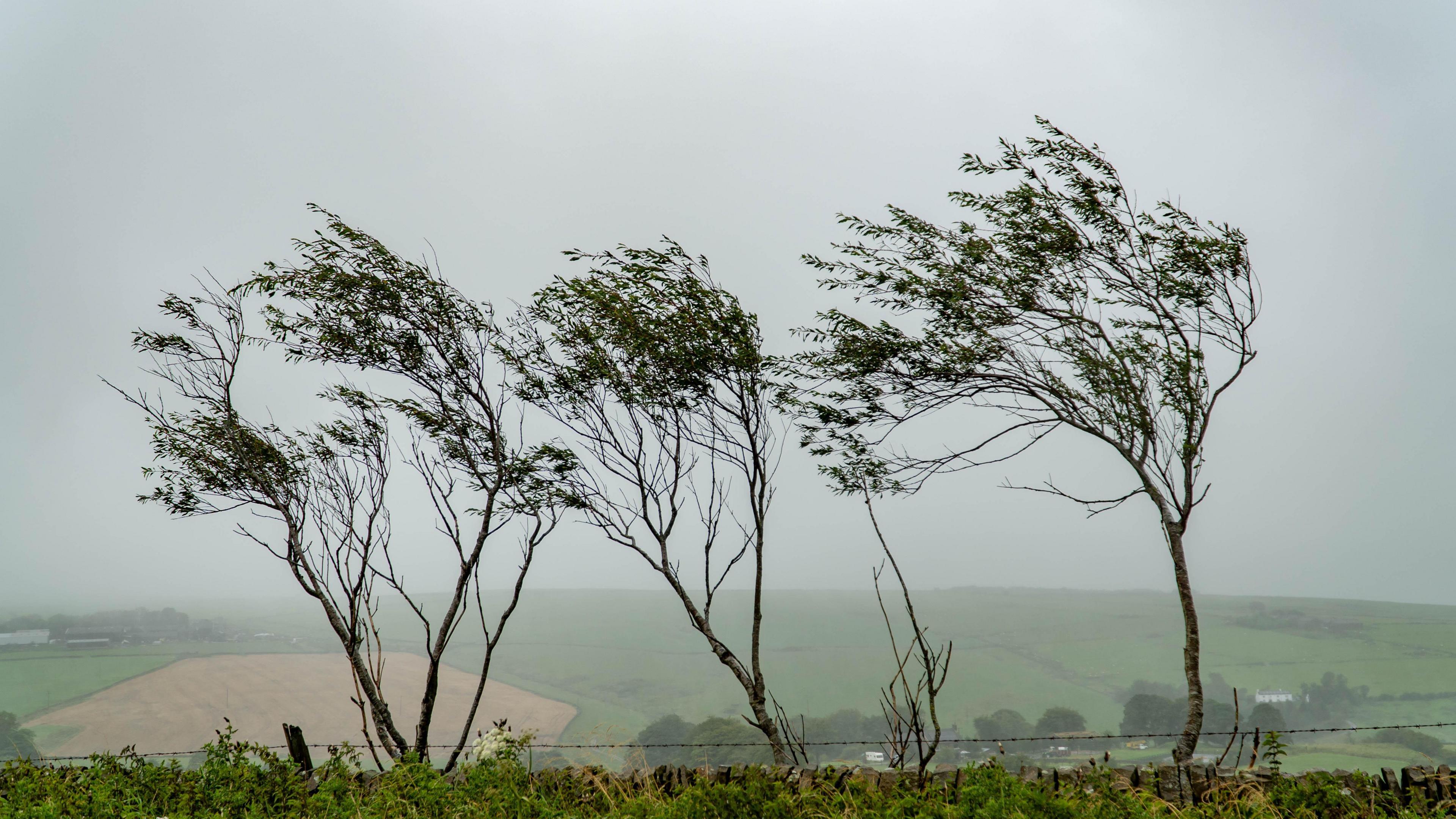
There's something undeniably invigorating about a good gust of wind, isn't there? Whether it's the thrill of flying a kite high above a sun-drenched field, the exhilarating speed of a sailboat cutting through waves, or simply a refreshing breeze on a sweltering summer's day, wind often brings a sense of freedom and vitality. It ruffles our hair, carries the scent of distant flowers, and makes the world feel alive. Even when it’s a bit blustery, there’s a primal energy to it that connects us to something vast and powerful.
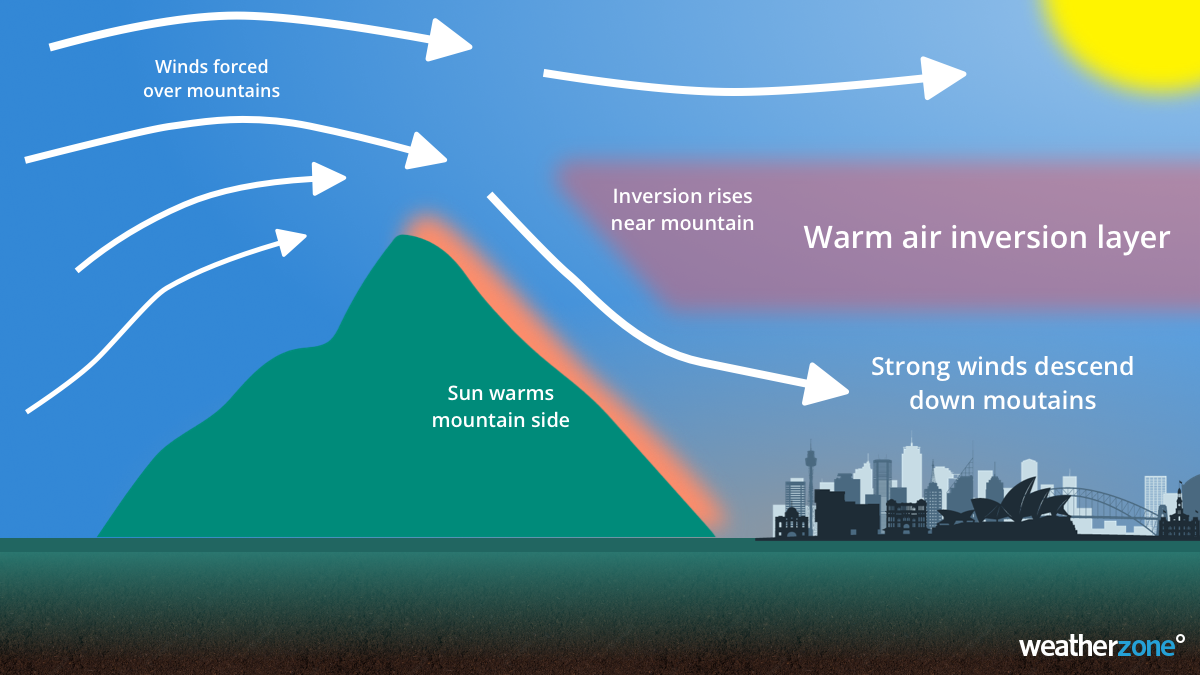
But why is it so windy all the time? Is the Earth just perpetually exhaling? Well, in a way, yes! Wind is essentially our planet's way of balancing things out. It's all down to the sun's uneven heating of the Earth's surface. When the sun warms one area more than another, the air above the warmer spot expands, becomes lighter, and rises, creating an area of low pressure. Conversely, cooler air is denser and sinks, forming an area of high pressure. Nature abhors a vacuum, or in this case, a pressure imbalance. So, air rushes from those high-pressure areas to fill the void in low-pressure zones. That movement? That's wind! The Earth's rotation also gives these movements a twist, creating the global wind patterns we know, like the trade winds or the jet stream. Local geography, like mountains or coastlines, can then funnel and accelerate these air currents, making some spots famously, or infamously, windy.
Far from just being an atmospheric quirk, wind plays several crucial roles in our everyday lives. It's a fundamental part of Earth's climate system, helping to distribute heat and moisture around the globe, influencing everything from rainfall to ocean currents. For plants, wind is an invaluable ally, carrying pollen for pollination and scattering seeds far and wide, ensuring the propagation of species. And for us humans, its benefits are numerous! Think about it: wind has powered exploration and trade for centuries, propelling sailing ships across oceans. Today, it's at the forefront of the renewable energy revolution, with colossal wind turbines harnessing its power to generate clean electricity, reducing our reliance on fossil fuels. On a simpler level, wind dries our laundry on the line, ventilates our homes, and keeps those charming wind chimes singing their melodic tunes.
Must Read
Common examples of wind's application are all around us. Beyond the obvious wind turbines and sailboats, consider the subtle lift a bird gets from an updraft, the way a weather vane points to the prevailing direction, or even the cooling sensation from a fan (which, effectively, creates its own miniature wind). For athletes, wind provides the thrilling challenge and advantage in sports like windsurfing, kitesurfing, and paragliding. It’s an invisible force we've learned to respect and utilize in countless ways.
So, how can you enjoy wind more effectively? Firstly, dress for it! A good windbreaker can make all the difference, transforming a biting gale into a refreshing breeze. Secondly, embrace its recreational potential: try flying a kite, or if you're feeling adventurous, take a sailing lesson. Learning to harness its power can be incredibly rewarding. Thirdly, seek out places where wind is a feature – a blustery clifftop walk can be incredibly invigorating, and a quiet moment listening to the wind whisper through trees can be profoundly peaceful. Finally, use its practical benefits: hanging laundry outside on a breezy day is not only energy-efficient but also leaves clothes smelling wonderfully fresh. Rather than just enduring it, learn to appreciate the unseen currents that continuously sculpt our world. The wind isn't going anywhere, so why not learn to dance with it?