Why Is It Hotter In The Summer

Ah, summer. The season of sunshine, outdoor adventures, and that glorious, undeniable heat. Whether you're chasing waves at the beach, grilling with friends, or just trying to keep your cool, there’s no escaping the warmth. But have you ever really stopped to wonder why those dog days of summer are so relentlessly… hot?
It’s a question that pops up every year, often alongside a collective sigh as we reach for another iced latte. And while the answer isn't quite as simple as "the sun is just doing its job," it's also not rocket science. Let’s break it down in true, laid-back summer style.
It's Not About Distance, It's About Angle!
First things first, let’s clear up a common misconception. Many of us grew up thinking it's because Earth gets closer to the sun in summer. Sounds logical, right? Well, prepare for a little cosmic plot twist! In fact, the Earth is actually closest to the sun (a point called perihelion) in early January – right when the Northern Hemisphere is bundled up in winter! And it's furthest away in July (aphelion).
Must Read
So, distance isn't the key player here. The true star of this seasonal show is our planet's very own tilt. You see, Earth isn't spinning perfectly upright on its axis; it's actually tilted at about 23.5 degrees relative to its orbit around the sun. This tilt is the fundamental reason we experience seasons.
The Double Whammy of the Tilt
This 23.5-degree lean creates two main effects that make summer sizzle:
1. More Direct Sunlight
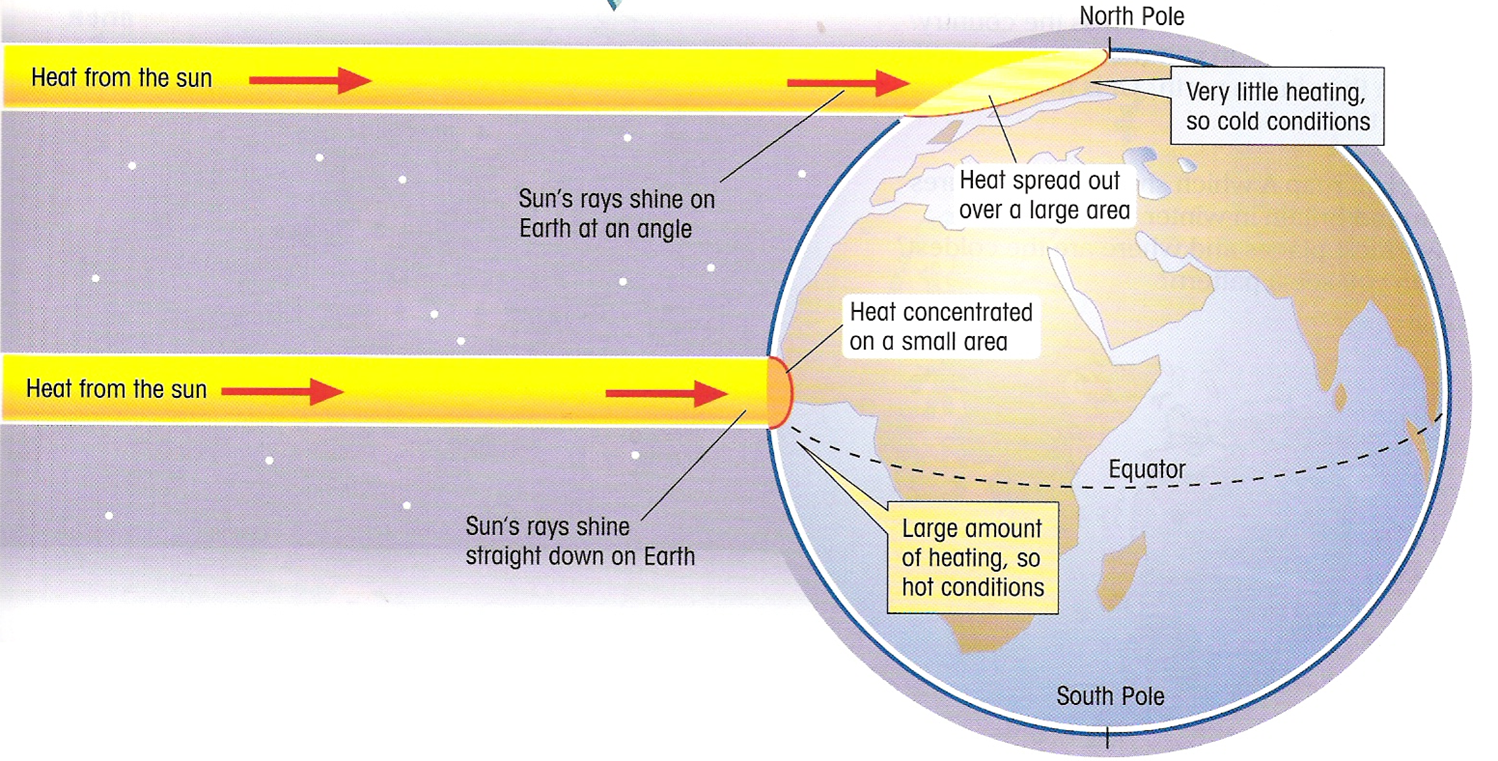
Imagine shining a flashlight directly onto a spot – it’s really intense, right? Now angle that flashlight, and the light spreads out, becoming less powerful per square inch. That’s essentially what happens with the sun’s rays.
During summer, your hemisphere (the Northern or Southern) is tilted towards the sun. This means the sun's rays hit your part of the world at a much more direct, concentrated angle. These direct rays don't have to travel through as much atmosphere, and their energy is focused over a smaller area, leading to more intense heating. Think of it like a laser beam versus a floodlight – precision beats dispersion when it comes to warming things up!
2. Longer Days
Secondly, that tilt also means longer days. In summer, the hemisphere tilted towards the sun gets more hours of daylight. More daylight hours mean more time for the sun to warm up the land and oceans.

It’s simple thermodynamics: the longer the sun shines, the more energy it imparts, and the warmer everything gets. This is why you'll often experience those glorious, lingering sunsets in summer, stretching well past dinner time. More sun time equals more heat absorption!
A Quick Hemisphere Check
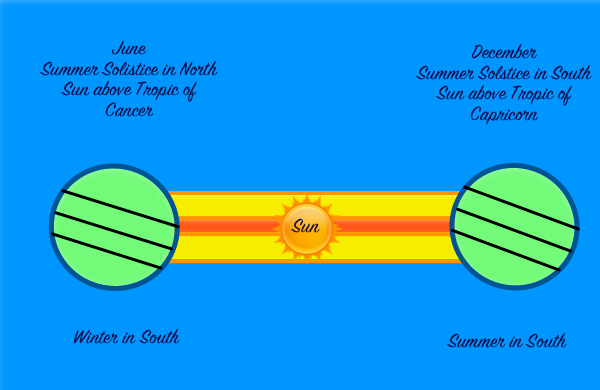
This explains why the seasons are opposite in different parts of the world. When the Northern Hemisphere is tilted towards the sun, enjoying its summer, the Southern Hemisphere is tilted away, experiencing its winter – and vice-versa. Pretty neat, right?
Beat the Heat: Practical Tips for a Hot Summer
So, now that we're all armchair astronomers, understanding the celestial mechanics behind summer's glow, let's talk practicals. How do we make the most of (and survive) those glorious, hot days?
- Hydration is Key: Seriously, drink up! Water is your best friend. Keep a reusable bottle handy. Think beyond just water too – coconut water, electrolyte-rich drinks, and fresh fruit juices can help replenish essential minerals.
- Dress the Part: Embrace light colors and breathable fabrics like cotton, linen, and rayon. Think loose-fitting garments that allow air to circulate. Culturally, many hot climates have perfected this, from the flowing caftans of North Africa to the lightweight yukata of Japan.
- Seek the Shade: Parks, trees, awnings – shade is your sanctuary. If you’re planning outdoor activities, aim for early mornings or late afternoons. Channel your inner Mediterranean and embrace the siesta during the hottest part of the day.
- Cooling Foods: Your diet can help! Think cooling foods like watermelon, cucumber, salads, and gazpacho. Ice cream is a delicious treat, but fresh fruit can be even more hydrating and refreshing.
- Stay Smart: Listen to your body. Avoid strenuous activity during peak heat hours. Keep an eye on heat advisories in your area.
Fun Facts to Keep You Cool
- Did you know that urban areas can be several degrees hotter than surrounding rural areas? This is called the "urban heat island effect," where concrete and asphalt absorb and re-emit the sun's heat more than natural landscapes.
- The highest temperature ever recorded on Earth was 134°F (56.7°C) in Death Valley, California, on July 10, 1913. Now that's hot!
Embrace the Warmth
Understanding why summer is hot isn't just a cool party trick; it helps us appreciate the rhythms of our planet and how beautifully it dances around the sun. Next time you feel the sun warming your skin, you’ll know it’s not just proximity, but a perfectly angled dance that makes those long, lazy days possible.
So, go ahead and enjoy your summer. Whether you’re basking in the sunshine (responsibly!), enjoying a cool drink, or simply marveling at the science of it all, remember to stay hydrated, stay cool, and soak up every bit of that wonderful, tilted, sun-drenched season!