Why Is Electric Bill So High
Ever ripped open that dreaded envelope or clicked on an email from your utility company, only to gasp dramatically at the total? You're not alone! The mystery of the unexpectedly high electric bill is a universal experience, sparking questions, frustration, and sometimes even a little bit of detective work. But hey, facing this common household enigma can actually be quite fun – like solving a puzzle where the reward is more money in your pocket! Understanding why your bill is so high isn't just about complaining; it’s about gaining control, making smarter choices, and ultimately, creating a more efficient and wallet-friendly home.
So, what’s the big secret behind those surprising charges? Often, it's not one giant culprit, but a combination of several sneaky energy hogs lurking in plain sight. Let's embark on a friendly investigation to uncover these power-hungry villains and arm ourselves with the knowledge to fight back against bill shock!
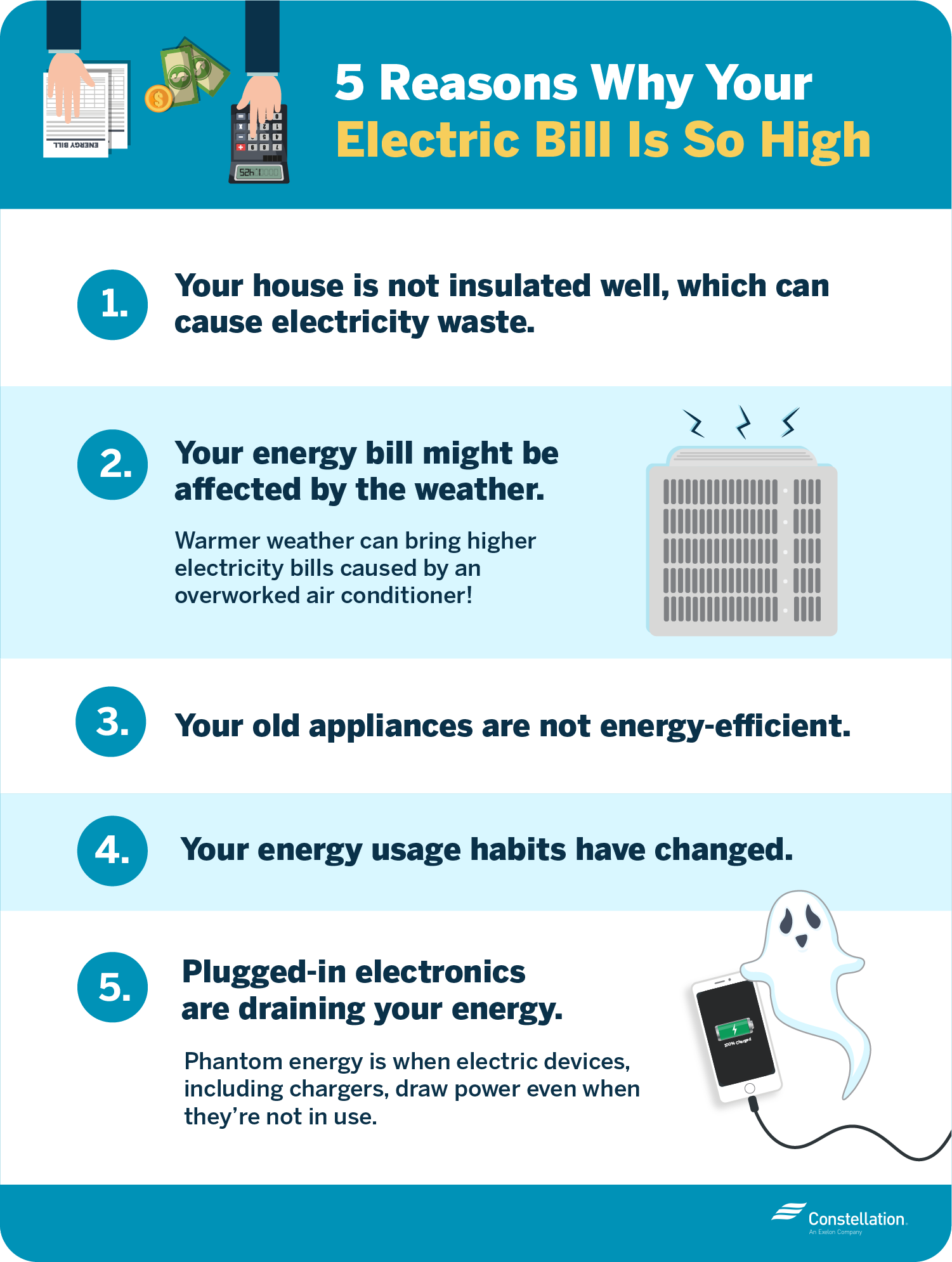
First up, let's talk about the Big Three: heating, cooling, and water heating. These are often the absolute biggest power consumers in any home. If your air conditioner or heater is running constantly, or if you love long, hot showers, prepare for a hefty chunk of your bill to go towards keeping you comfortable. Older units are particularly inefficient, working harder and consuming more electricity to do the same job as a newer, energy-efficient model. Sometimes, simply adjusting your thermostat by a few degrees can make a noticeable difference.
Must Read
Next on our list of suspects are your appliances, especially the older ones. That trusty old refrigerator from the 90s might still be chilling your food, but it could be doing it with the energy consumption of a small car! Similarly, electric ovens, clothes dryers, and dishwashers are significant energy users. Consider the age and energy rating of your major appliances; an upgrade could save you money in the long run.
Don't forget the infamous "Vampire Drain" or phantom load. These are devices that suck power even when they're turned off or in standby mode. Think of your TV, game consoles, phone chargers, and computer monitors. While each device might only draw a tiny amount, collectively, they can add up to a surprising percentage of your monthly bill. Unplugging them or using power strips with on/off switches can be an easy fix.

Seasonal changes also play a huge role. In summer, your AC works overtime. In winter, heaters and even extra lighting for shorter days contribute to higher usage. Your energy habits naturally shift with the seasons, and your bill will reflect that. Keeping an eye on your usage patterns throughout the year can reveal these trends.
Finally, your home's insulation and sealing are critical. Drafty windows, poorly insulated attics, and leaky doors allow conditioned air to escape, forcing your heating and cooling systems to work harder. Sealing these leaks and improving insulation can be a significant investment with excellent returns in energy savings and comfort.
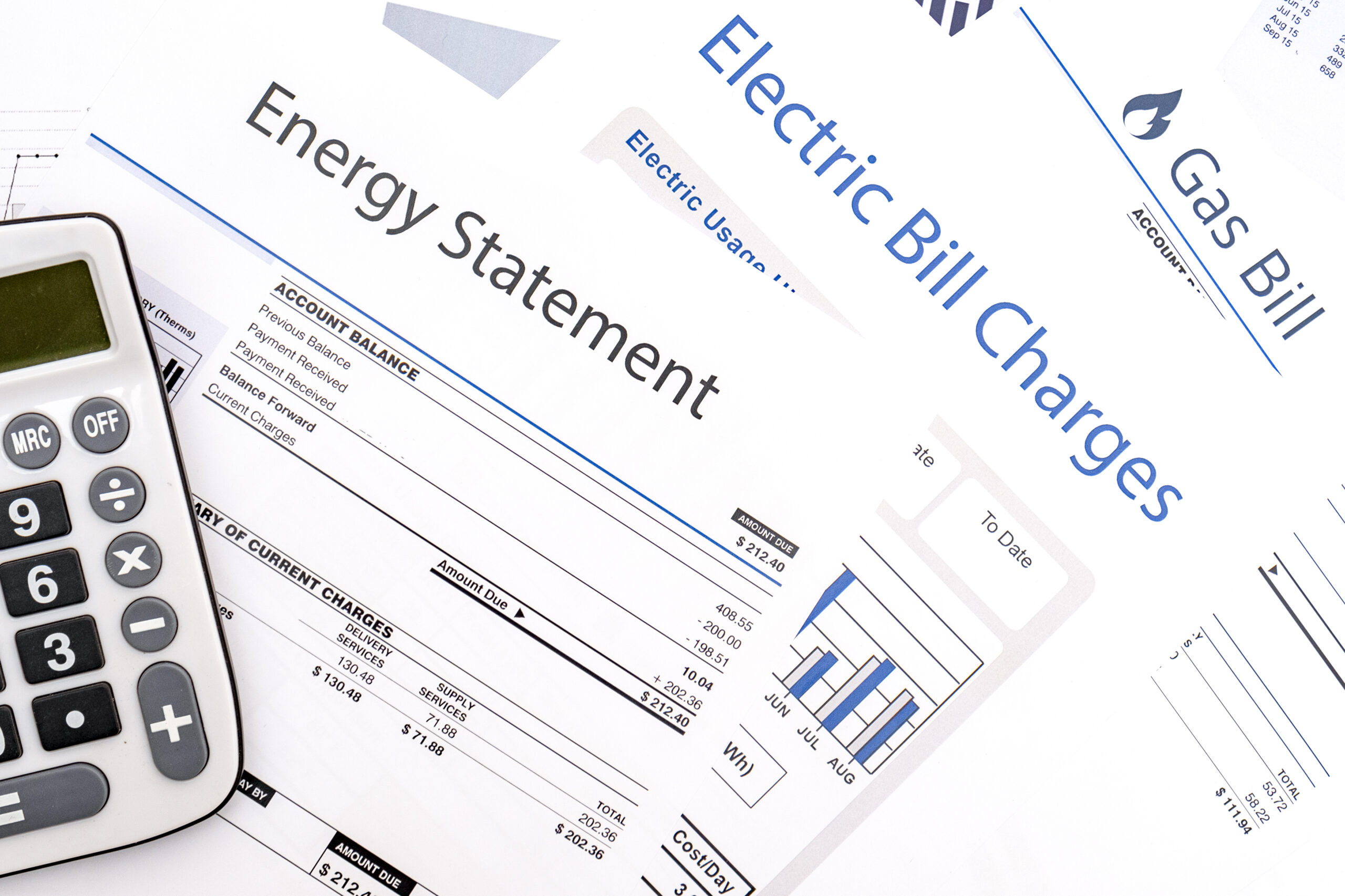
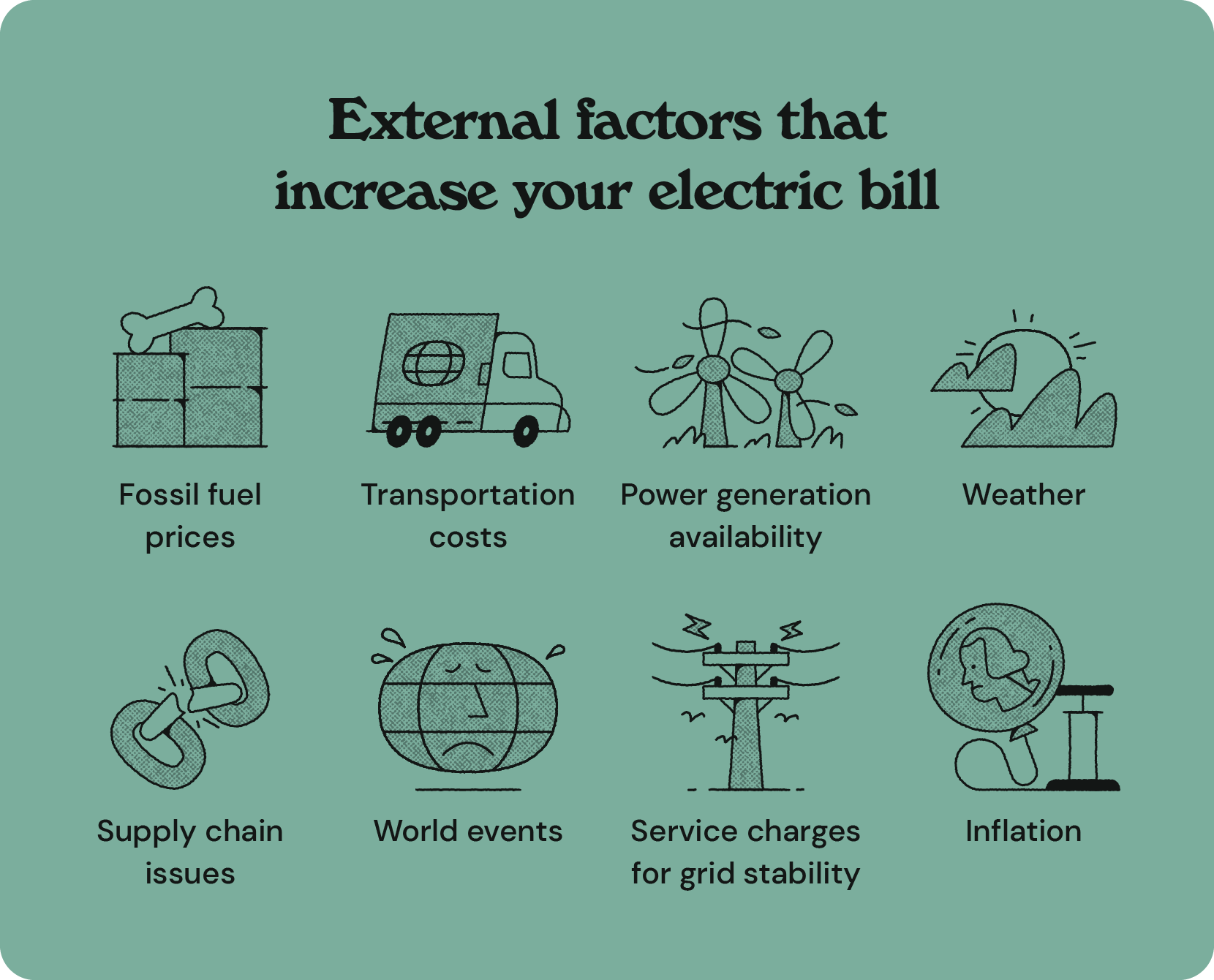
Sometimes, the issue might not be your usage at all, but rather utility rate increases. Power companies can adjust their rates, so it’s always a good idea to check your bill for any changes in the cost per kilowatt-hour. This is an external factor, but being aware of it helps you understand the full picture.
So, the next time your electric bill gives you a fright, remember it's not just random numbers. It's a story of your home's energy consumption, waiting to be deciphered. By understanding these common reasons, you're not just a victim of high bills; you become an informed energy manager, ready to make smart choices that will lighten the load on your wallet!