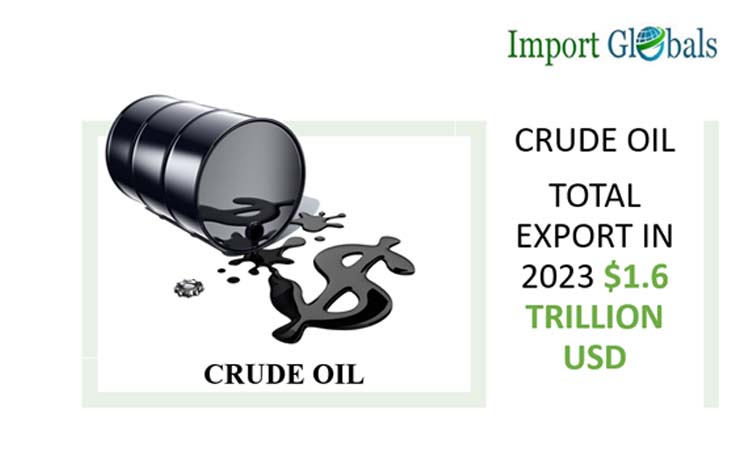
Why Is Crude Oil Such An Important Resource
Ever wonder why the price of gas seems to dictate so much of our lives, from the cost of groceries to whether we can afford that road trip? It all boils down to one thing: crude oil. It’s a resource that’s so deeply woven into the fabric of modern society, it’s almost invisible. But peel back the layers, and you'll find its influence is everywhere. Learning about crude oil isn't just about understanding economics or politics; it’s about understanding the world we live in.
So, what exactly is crude oil, and why is it such a big deal? Simply put, it’s a naturally occurring, unrefined petroleum product composed of hydrocarbon deposits and other organic materials. Think of it as a thick, black goo extracted from the earth, often found deep underground or beneath the ocean floor. Its importance stems from its versatility; it's not just fuel for our cars and airplanes. Through a process called refining, crude oil is transformed into a multitude of products.
The most obvious benefit is as a fuel source. Gasoline, diesel, and jet fuel are all derived from crude oil, powering our transportation systems. Without these fuels, global trade and personal mobility would grind to a halt. But the story doesn't end there. Crude oil is also the backbone of the petrochemical industry.
Must Read
Consider the plastics that surround us. From the phone in your hand to the packaging on your food, most plastics are made from petroleum byproducts. Similarly, many synthetic fabrics, like polyester and nylon, originate from crude oil. Fertilizers used in agriculture, pharmaceuticals, and even cosmetics rely on components derived from this resource. Essentially, crude oil contributes to the creation of countless everyday objects that we take for granted.
Let’s look at some concrete examples. In education, plastics made from petroleum are used in everything from school supplies like pens and rulers to the construction of entire school buildings. In our daily lives, we interact with crude oil derivatives constantly. Consider your clothes, your furniture, the appliances in your kitchen – all likely contain components sourced from petroleum. The roads we drive on are made with asphalt, another petroleum product. Even the electricity that powers our homes may be generated, at least in part, by power plants that burn fossil fuels derived from crude oil.
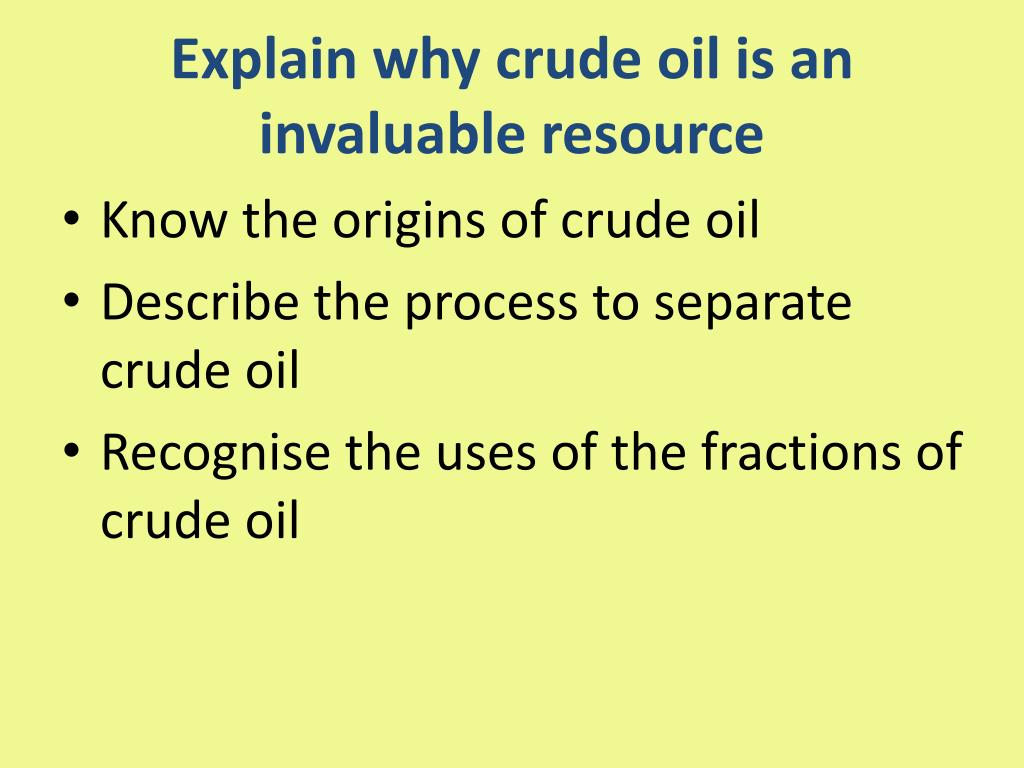
Want to explore this topic further? Here are a few simple ways to learn more. Next time you're at a gas station, take a moment to look at the variety of products they sell, from motor oil to windshield washer fluid – all derived from crude oil. Watch a documentary about oil drilling or refining to understand the complex processes involved. Even something as simple as researching the different types of plastics and their origins can provide valuable insights. You can also look into the history of the oil industry and its impact on global politics and economics. Understanding where things come from is a great first step.
Crude oil's significance in today's world is undeniable. While the future of energy production may shift towards renewable sources, understanding the role of this resource in shaping our present is crucial for navigating the challenges and opportunities that lie ahead.