
Why Is Coal A Renewable Resource

Ever thought about how amazing our Earth is? It's full of surprises, especially when we dig into its deepest secrets. We often hear about things that are "renewable" like sunshine or wind. But what if we told you that even something as old and sturdy as coal has a fascinating link to renewal?
Yes, it might sound a bit like a riddle at first. How can something we dig from deep underground, that takes millions of years to form, possibly be considered renewable? Well, it all depends on how you look at time.
Imagine time not just in years, but in eons. When we think on such a grand scale, the Earth reveals its incredible, ongoing cycles. These cycles are what make the story of coal truly special and, yes, in a cosmic sense, endlessly renewing.
Must Read
Earth's Own Recycling Program: The Grand Design
Think of our planet as having its own giant, slow-motion recycling program. It’s always building, transforming, and creating new things from old. This natural process is the key to understanding coal’s surprising secret.
It starts with life itself, vibrant and green. Millions upon millions of years ago, vast swamps and forests covered much of the Earth. These were teeming with giant ferns, mosses, and ancient trees.
When these plants died, they didn’t just disappear. Instead, they fell into the swampy waters, slowly accumulating. Imagine thick layers of decaying plant matter, piling up year after year, century after century.

This decaying matter formed a spongy, waterlogged material called peat. Peat is the very first stage in coal's incredible journey. It’s still recognizable as plant material, but it’s already begun its transformation.
The Deep Embrace: Pressure, Heat, and Time
Now, here’s where the Earth's magic truly begins. Over immense periods, layers of mud, sand, and other sediments began to pile on top of these peat beds. Think of it like a giant geological blanket, getting heavier and heavier.
This immense weight from above started to squeeze the peat. All the water was pressed out, and the plant material became denser. It was like putting a giant vice on a spongy material.
As the layers got deeper, the heat from within the Earth also played a vital role. The deeper you go, the hotter it gets. This combination of intense pressure and incredible heat began to cook the peat.
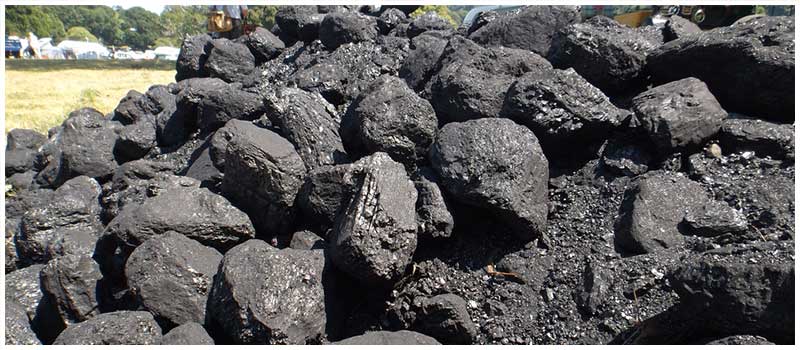
This slow cooking process, taking millions of years, transformed the organic matter. The chemical structure of the ancient plants changed, making them richer and richer in carbon. This is the essence of coal's renewal.
"Nature doesn't rush; it takes its time, perfecting its craft over eons."
The Ever-Forming Carbon Treasure
Through this geological alchemy, peat first becomes lignite, a softer form of coal. With even more pressure and heat, it transforms into sub-bituminous and then bituminous coal. The ultimate prize, formed under the most extreme conditions, is anthracite, a hard, shiny, and very carbon-rich coal.
This entire process, from green plant to hard coal, is a continuous cycle. It has happened countless times throughout Earth's history, and it is still happening today in certain parts of the world. While we extract coal much faster than it forms, the Earth itself is always, albeit slowly, creating more.
This constant, slow formation is what makes coal's story a tale of renewal, viewed through the lens of deep time. It’s not renewable in the way a solar panel produces electricity every day, but it’s a constant part of the Earth's ongoing geological symphony.
Think about that for a moment. Every piece of coal carries the echoes of ancient sunlight and vibrant, long-lost forests. It's a snapshot of a bygone era, transformed and preserved by the Earth's incredible forces.
A Sense of Wonder: Nature's Unseen Work
Isn't that absolutely captivating? The idea that beneath our feet, nature is constantly performing these monumental transformations. It's a reminder of the sheer power and patience of our planet.
This slow renewal of coal is a testament to Earth's dynamic nature. It highlights that the ground beneath us is not static, but a living, breathing entity undergoing constant change, albeit on a timescale that dwarfs human existence.
It encourages us to look beyond immediate gratification and appreciate the profound, intricate workings of the natural world. It invites us to consider that what seems permanent is often part of an even grander cycle.

So, while we talk about "renewable" in terms of minutes, hours, or years, let's also remember the Earth's own definition. It’s a definition that spans millions of years, creating wonders like coal from the dust of ancient life.
It makes you curious, doesn't it? To think about the hidden forces always at work, forming new geological treasures. Coal, in this grand perspective, is a slow but steady product of Earth's relentless and ongoing renewal.
Next time you hear about coal, perhaps you'll remember its extraordinary journey. It's not just a rock; it's a testament to deep time and Earth's ceaseless ability to recycle and renew itself, one ancient forest at a time.
It's truly an inspiring thought, making us marvel at the wonders beneath our very feet. So, go ahead, ponder the Earth's incredible power and the never-ending story of its geological renewal.