
Why Is Argon Used In Welding
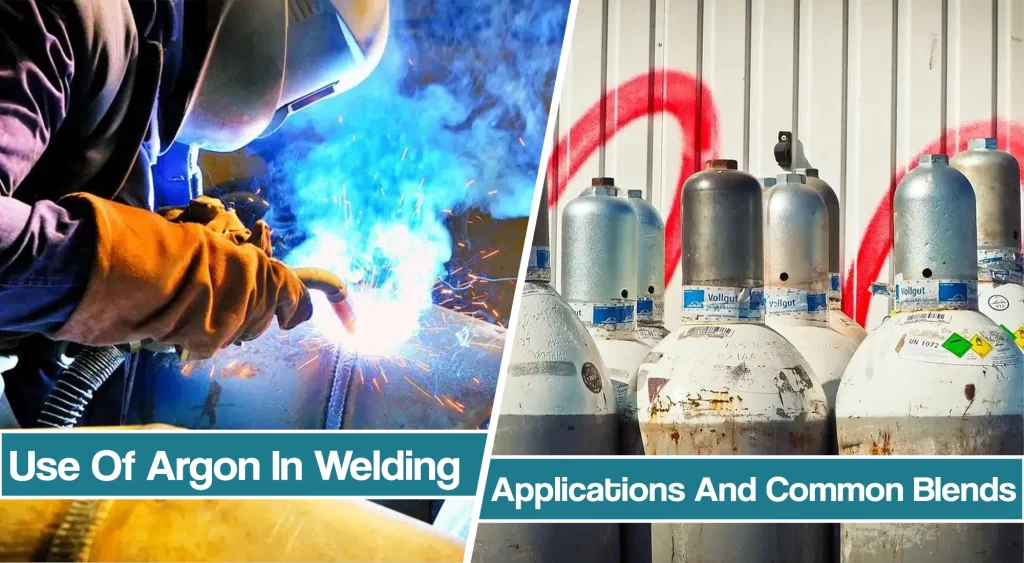
Ever stood mesmerized watching a welder work? That shower of sparks, the intense glow, the sheer artistry of fusing metal together? It’s a bit like modern magic, isn't it? But have you ever stopped to wonder about one of the unsung heroes of this metallic ballet? No, I’m not talking about the welder’s cool helmet or the powerful torch. I’m talking about something you can’t even see, something truly invisible but absolutely vital: argon gas.
"Argon?" you might think. "Isn't that just... air stuff?" Well, yes and no! Argon is indeed a component of the air we breathe, but in the world of welding, it’s not just "stuff." It's a superhero, a silent guardian that makes everything stronger, prettier, and much, much safer. So, let’s peel back the curtain and find out why this noble gas is such a big deal, and why knowing about it can make you appreciate the world around you just a little bit more!
The Big Problem: When Metals Get Cranky
Imagine you're trying to build something magnificent – a towering skyscraper, a sleek motorcycle frame, or even just a sturdy garden gate. You’ve got your metal pieces, your welding torch ready to melt them together. Hot metal is incredibly malleable, right? Perfect for joining! But here’s the rub: when metal gets super-hot, it also gets super-vulnerable.
Must Read
Our atmosphere, which we usually love so much, suddenly becomes the enemy. It's packed with gases like oxygen and nitrogen. When these gases come into contact with molten metal, they react. And trust me, these reactions are not what you want. Oxygen causes oxidation (rust, basically, but much worse and immediate for hot metal), and nitrogen can create porosity and brittleness.
The result? A weld that's weak, ugly, full of tiny holes, and prone to cracking. Not exactly ideal for a bridge or a car chassis, is it? It would be like trying to bake a cake in a sandstorm – messy, impure, and definitely not delicious. We need a way to protect that precious, molten metal.
Enter Argon: The Invisible Bodyguard
This is where our star, argon, swoops in! Argon is what chemists call an inert gas. Now, "inert" might sound a bit boring, like it just sits there and does nothing. But in this context, "doing nothing" is precisely its superpower!

What does "inert" mean for us? It means argon doesn't want to play with other elements. It's perfectly happy being itself and doesn't react chemically with the hot metal, the welding electrode, or anything else nearby. It’s the ultimate non-stick, non-interfering chaperone for your molten metal.
But there's more to its heroism! Argon is also denser than air. Think of it like a heavy, invisible blanket. When released over the weld pool, it sinks down, pushing away the lighter, mischievous oxygen and nitrogen. It creates a protective bubble, a temporary, pristine atmosphere just for that molten metal.
The Magic in Action: How Argon Creates Perfection
So, how does this invisible bodyguard actually work its magic? During welding, argon gas is continuously fed through the torch, surrounding the intensely hot arc and the molten metal pool. It forms a protective shield, literally displacing the atmospheric gases that would otherwise cause havoc.
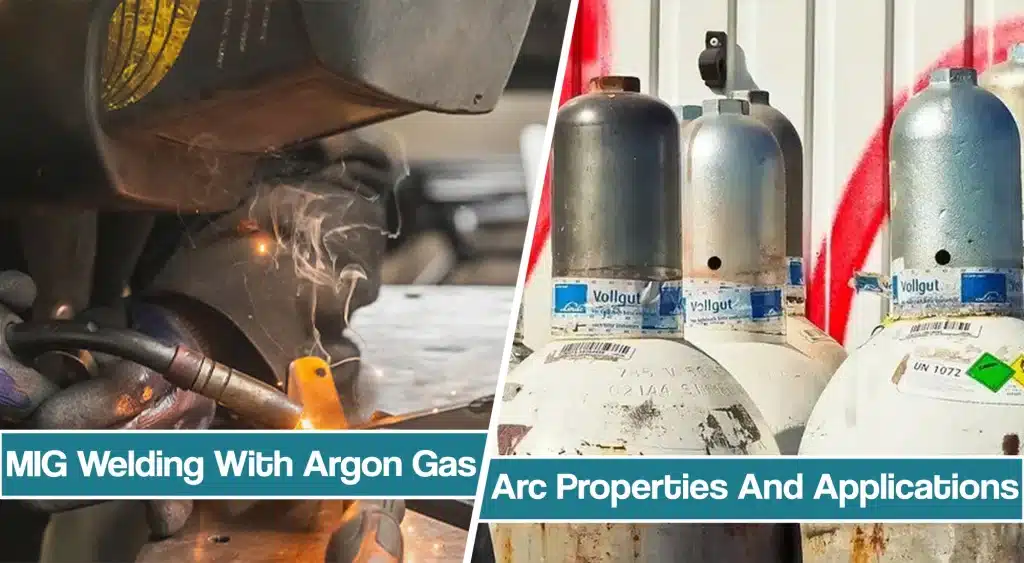
This shield does a few fantastic things:
First, it ensures a cleaner weld. No contamination means no unsightly pitting, no weak spots from oxides or nitrides. The weld bead looks smooth, shiny, and professional.
Second, it leads to a stronger weld. By preventing impurities, argon helps maintain the integrity of the metal, ensuring the joint is as robust and reliable as the original material. This is crucial for safety and durability in everything from spacecraft to your kids' playground equipment.

Third, and perhaps most fascinatingly, argon helps create a stable arc. The electrical arc is the source of all that intense heat. Argon provides a consistent, ionizable path for the electricity, making the welding process smoother and more controllable for the welder. This translates into more precise, beautiful work!
Why Argon Makes Life More Fun (and Safer!)
So, why should you care about a gas that's "inert" and invisible? Because argon isn't just a technical detail for welders; it's what makes a vast amount of our modern world possible, durable, and frankly, amazing!
Think about it: that beautifully crafted custom motorcycle? The sturdy bridge you drive over every day? The seamless stainless steel railing in a modern building? The incredibly precise welds inside medical equipment? All owe a huge debt to argon. Without it, these creations would be weaker, uglier, and ultimately, unsafe.
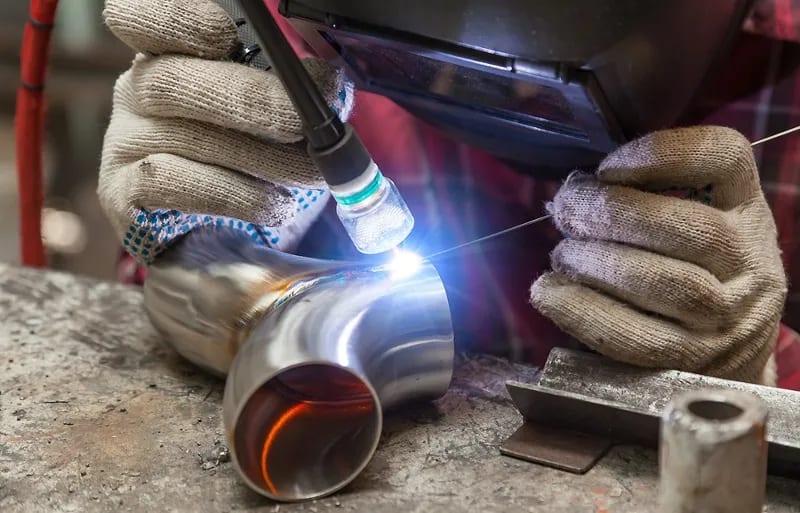
Argon allows welders – true artists and skilled craftspeople – to focus on their technique and vision, knowing that their core material is protected. It allows us to trust the integrity of metal structures that literally hold our world together. It’s the silent assurance that quality and safety are built into the very fabric of our engineered environment.
Your Daily Dose of Inspiration
Next time you see a welded structure, or even just a shiny metal object, take a moment to appreciate the incredible, invisible work of argon. It’s a fantastic reminder that sometimes, the most important heroes are the ones you can't see, quietly doing their crucial job, making our world stronger, safer, and more inspiring.
The world is full of these hidden wonders – from the tiny atoms holding everything together to the vast, unseen forces shaping our universe. Knowing about them, even just a little, adds a wonderful layer of understanding and appreciation to everyday life. So go on, embrace your curiosity! There’s a whole universe of cool science waiting for you to discover, and who knows, maybe the next unsung hero you learn about will be even more surprising than argon!