
Why Does My Car Overheat At Idle

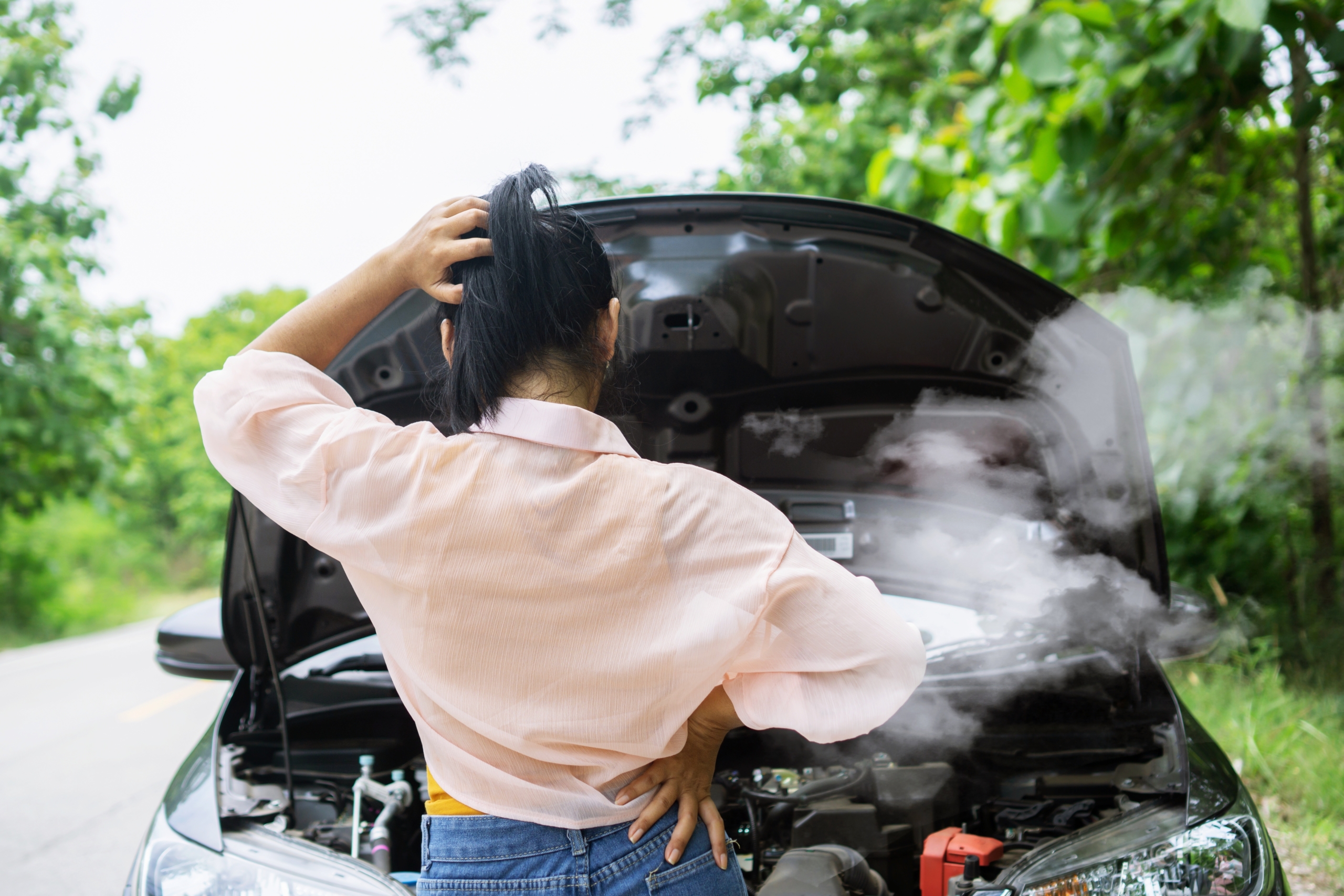
Hey there, fellow road warrior! Grab a coffee, let's chat about something kinda annoying, right? You're cruising along, wind in your hair (or, y'know, AC blasting), engine humming. Everything's just dandy. Then you hit that dreaded traffic jam, or maybe you're just chilling in a drive-thru line, and BAM! You glance at the dashboard, and your temperature gauge is doing its best impression of a rocket launch. Up, up, and away! Your car is overheating, but only when you're just sitting there. What gives?!
It's like your car is saying, "I can handle the open road, no problem! But this standing still thing? Too much pressure!" We've all been there, and honestly, it's super common. But why does it happen specifically when you're idling?
The Big Difference: Moving Air vs. Still Air
Think about it like this: when you're driving, air rushes over your car's radiator, naturally cooling things down. It's like having a big, refreshing breeze. But when you're stationary? That natural breeze is gone. Your car has to work a bit harder to keep its cool. This is where a few key players in your car's cooling system become super important, and if one of them is slacking off, you're gonna feel the heat.
Must Read
The Unsung Hero: Your Radiator Fan
Okay, this is probably the number one culprit when your car overheats at idle. Seriously, put a big red circle around this one! When you're not moving, your car relies on its electric radiator fan (or fans!) to pull air through the radiator. If that fan isn't kicking in, or isn't working properly, it's like trying to cool a steaming cup of tea by just staring at it. Not very effective, right?
- Is the fan even spinning? Sometimes the motor just calls it quits.
- Bad relay or fuse? It might be a simple electrical hiccup.
- Temperature sensor issues? The car might not know it needs to turn the fan on!
So, next time your car gets hot at idle, pop the hood (carefully!) and see if that fan is doing its job. No spin? Bingo!

Your Car's Thirst: Low Coolant
This one seems obvious, but hey, sometimes the simplest answers are the right ones! Is your car just plain thirsty? Coolant (often called antifreeze) is what carries heat away from your engine. If you don't have enough, well, there's not enough fluid to do the job. Check your coolant reservoir. Is it low? Don't just top it up and forget about it, though.
Why was it low? That's the real question! You might have a leak somewhere: a hose, the radiator itself, or even your water pump. Keep an eye out for puddles under your car, or that sweet, sickly smell of coolant.

The Blocked Nose: A Clogged Radiator
Imagine trying to breathe deeply with a really bad head cold. Hard, right? Your radiator can suffer from the same issue. Over time, the tiny fins on the outside of your radiator can get packed with road grime, bugs, leaves, and general crud. This stops air from flowing through properly, which means heat gets trapped. It's especially noticeable at idle because, again, there's no natural airflow to push past the blockages.
Also, internally, your radiator can get clogged with scale or rust if the coolant isn't maintained. Either way, a blocked radiator means your car can't shed heat effectively.

The Weak Heart: A Failing Water Pump
Your water pump is like the heart of your car's cooling system. It circulates the coolant throughout the engine and radiator. If it's not pumping coolant around, or not pumping it well enough, then the heat just sits there, especially when the engine isn't revving high. Signs of a failing water pump can include a whining noise, or a coolant leak around the pump itself. If the impeller (the part that actually pushes the coolant) is corroded or broken, it won't move enough fluid, and things will heat up fast.
The Stuck Gatekeeper: A Faulty Thermostat
The thermostat is a little valve that controls when coolant flows to the radiator. It's supposed to open up once your engine reaches a certain temperature, letting the hot coolant go cool down. If your thermostat gets stuck in the closed position, it's like a traffic jam inside your engine. The coolant just keeps circulating within the engine block, getting hotter and hotter, because it can't get to the radiator to release its heat. This often causes overheating both at idle and when driving, but it's definitely a factor to consider.
Pesky Bubbles: Air Pockets in the System
Sometimes, after a repair or a coolant flush, air can get trapped in your cooling system. These air pockets can create hot spots and prevent coolant from flowing properly, leading to overheating, especially when the coolant isn't being vigorously pumped as it is when driving. Bleeding the system (getting that air out!) is often the fix here.
So, What Now? Don't Panic!
First off, if your car is overheating, pull over safely and turn it off. Let it cool down before doing anything else. Seriously, hot engines and coolant can be dangerous! But don't ignore these signs. Overheating, especially repeatedly, can lead to much bigger, much more expensive problems – like a blown head gasket (ouch!).
The good news is that most of these idle-overheating issues are often pretty straightforward fixes for a skilled mechanic. So, if your car starts acting like a hot potato at a standstill, get it checked out. Your engine (and your wallet!) will thank you for it!