
Why Does My Car Battery Keep Getting Corroded

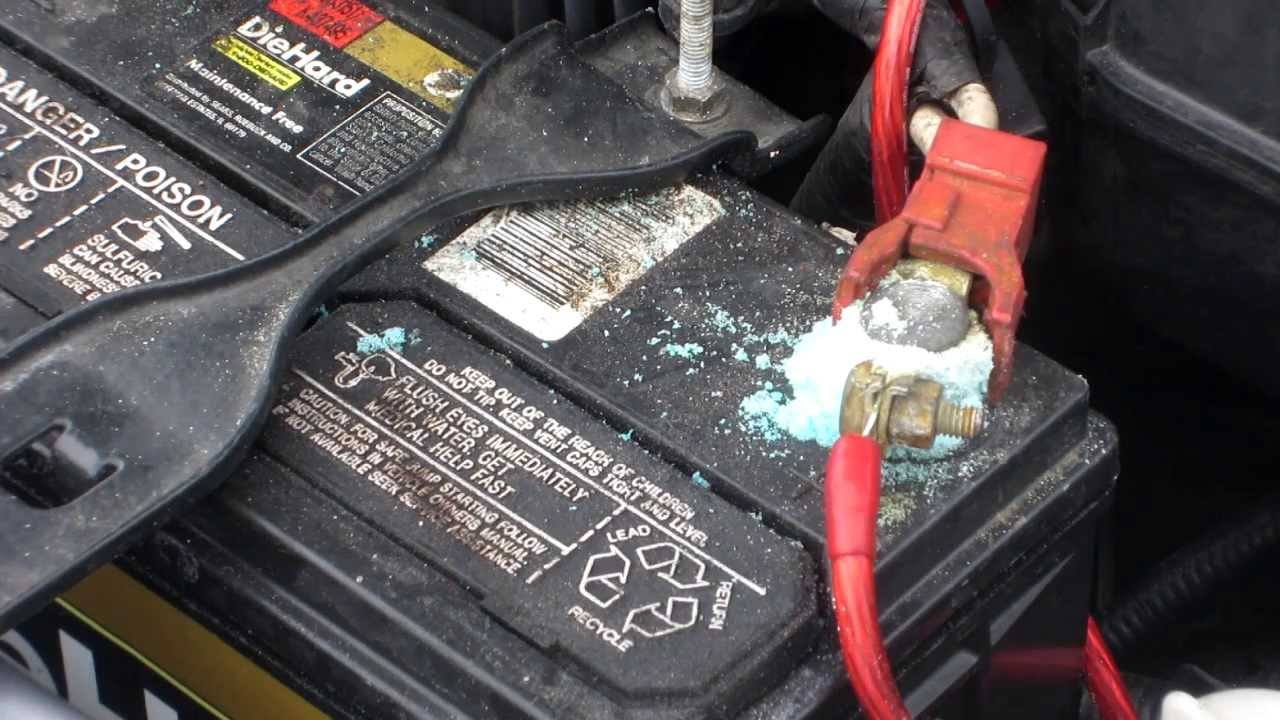
Ever popped your hood and been greeted by a fuzzy, bluish-white monster clinging to your car battery? It's corrosion, and it's not just unsightly. It can be a real pain in your engine! What is that stuff, anyway? And why is it back like a bad penny?
The Mystery of the Battery Grime
Think of your car battery like a tiny electrochemical cauldron. Electricity is brewed inside, powering all your car's gadgets. But sometimes, things get a little… messy. Let's uncover the usual suspects behind this corrosive caper.
Battery Acid's Great Escape
Your battery contains sulfuric acid. This is the juice that gets your engine humming. Sometimes, a little bit of this acid can leak out. This can happen around the battery posts or even through small cracks.
Must Read
When this acid meets the metal terminals, it creates a chemical reaction. Voila! Corrosion is born!
Ventilation Woes
Batteries release gases, like hydrogen. This is a byproduct of the electrochemical process. A healthy battery vents these gases through a small tube.
If the ventilation is blocked, those gases can build up. The pressure forces acid out, leading to corrosion.
Overcharging Antics
Your car's charging system is designed to keep the battery topped up. But sometimes, it can go overboard. This can cause the battery to overheat. That overheating will create excess gas and potentially leak acid.
Too much charging can be just as bad as not enough. Batteries are delicate souls!
Loose Connections and Vibrations
Think of your battery terminals as needing a firm handshake with the cables. If they're loose, it creates resistance. This resistance generates heat, which can accelerate corrosion.
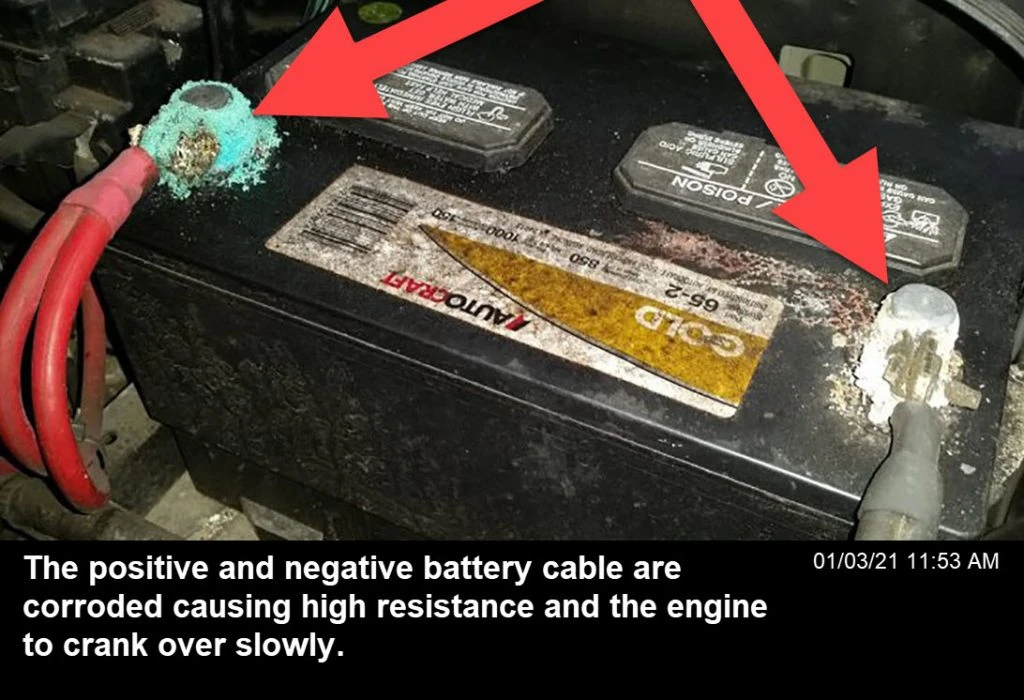
Car vibrations can also loosen the terminals over time. So, regularly check that all connections are nice and tight.
The Climate Factor
Temperature extremes can play a role. Hot weather can increase the rate of chemical reactions, including corrosion. Cold weather can stress the battery and cause it to leak.
Your location matters, especially if you live in an area with high humidity or salty air.
Is Corrosion a Big Deal? (Spoiler: Yes!)
So, why should you care about a little bit of bluish-white fuzz? Because corrosion can cause a whole host of problems. Think of it as a slow-burning fuse leading to bigger issues.
Starting Troubles
Corrosion acts like a roadblock for electricity. It prevents the full power of the battery from reaching your starter motor. This can result in a car that struggles to start, especially on cold mornings.
Dimming Lights and Weak Accessories
Similarly, corrosion can restrict power to other electrical components. You might notice dim headlights, a sluggish windshield wiper, or an unresponsive radio. It's like your car is slowly losing its energy.
Reduced Battery Life
Corrosion weakens the battery terminals over time. It reduces their ability to make a good connection. This leads to a shorter battery life. Think of it as slowly chipping away at your battery's lifespan.
Electrical System Mayhem
In severe cases, corrosion can spread to other parts of the electrical system. This can cause shorts, blown fuses, and even damage to sensitive electronic components. It's best to nip it in the bud before it becomes a bigger headache.
Battling the Battery Beast: How to Clean Corrosion
Okay, so you've got some corrosion. Don't panic! It's usually a pretty easy fix. Here's how to clean it up, safely and effectively.
Safety First!
Before you start, protect yourself! Wear gloves and eye protection. Battery acid is corrosive and can irritate skin and eyes.
The Baking Soda Solution
Baking soda is your best friend here. Mix it with water to form a paste. This neutralizes the acid. Apply the paste to the corroded areas. Let it fizz for a few minutes.
Scrub-a-Dub-Dub
Use an old toothbrush or a wire brush to scrub away the corrosion. Be thorough, getting into all the nooks and crannies. Rinse the area with water and dry it with a clean cloth.
Terminal TLC
Disconnect the battery cables before cleaning the terminals. This prevents any accidental sparks or electrical shocks. Clean the inside of the cable terminals with a terminal cleaner brush or a wire brush.

Protecting Your Work
Once everything is clean and dry, apply a battery terminal protector spray or grease to the terminals. This helps prevent future corrosion. Reconnect the battery cables, ensuring they are tight and secure.
Preventing Future Fuzz: Proactive Measures
Cleaning corrosion is good, but preventing it is even better. Here are some tips to keep your battery terminals clean and corrosion-free.
Regular Check-Ups
Inspect your battery terminals regularly, ideally every few months. Look for any signs of corrosion. Catching it early makes cleanup much easier. It's like visiting the dentist - regular maintenance saves you from bigger problems later on.
Terminal Protection
As mentioned earlier, battery terminal protector sprays or grease can work wonders. Apply them after cleaning the terminals to create a barrier against moisture and acid fumes.
Tighten Those Connections
Ensure your battery cable terminals are always tight and secure. Loose connections create resistance and heat, which accelerates corrosion. Give them a wiggle every now and then to make sure they are still snug.
Battery Health
Have your battery tested regularly to ensure it's in good condition. A weak or failing battery is more likely to leak acid and corrode. Most auto parts stores offer free battery testing services.
Proper Ventilation
Make sure the battery's ventilation tube is clear and unobstructed. This allows gases to vent properly. A blocked tube can lead to pressure buildup and acid leaks.
When to Call the Pros
Sometimes, corrosion is a sign of a more serious problem. Here's when it's best to consult a professional mechanic.
Severe Corrosion
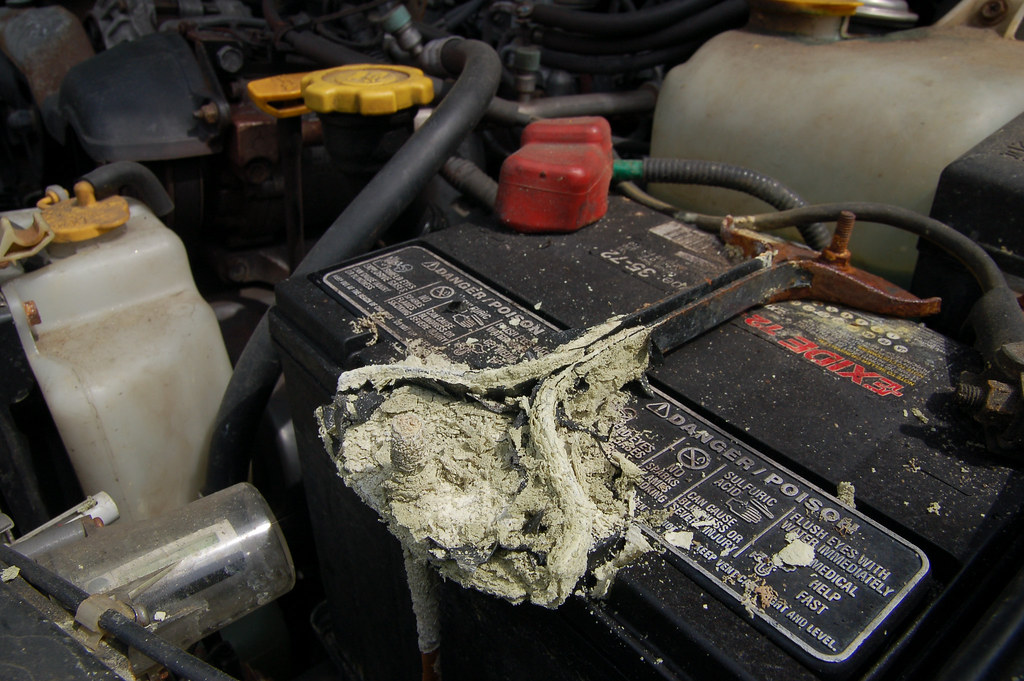
If the corrosion is excessive or widespread, it could indicate a deeper issue with the battery or charging system. Don't try to tackle it yourself. Seek professional help.
Battery Damage
If the battery case is cracked or bulging, it's time for a replacement. Damaged batteries can be dangerous and should be handled with care. A damaged battery can be a ticking time bomb.
Charging System Issues
If you suspect problems with your car's charging system, have it checked by a mechanic. Overcharging or undercharging can both contribute to corrosion and other electrical problems. It's best to catch it early before it causes more damage.
Persistent Corrosion
If you've cleaned the corrosion multiple times, and it keeps coming back, there's likely an underlying problem. A mechanic can diagnose the issue and recommend the appropriate repairs. Don't ignore persistent corrosion; it's a warning sign.
Conquering Corrosion: You Got This!
Battery corrosion might seem like a daunting problem, but it's usually a simple fix. With a little knowledge and some basic tools, you can keep your battery terminals clean and your car running smoothly. So, don't fear the fuzz! Embrace the challenge, and keep your engine purring.
And remember, a little bit of preventative maintenance goes a long way in extending the life of your battery and preventing future corrosion woes. Happy driving!