Why Does Fire Alarm Go Off For No Reason

Ah, the fire alarm. That ever-vigilant sentinel of our safety, always ready to spring into action at the first whiff of smoke. But let's be honest, sometimes it seems a little too eager, blasting its ear-splitting symphony of beeps when there's no fiery inferno, just a slightly over-toasted bagel. If you've ever stood bewildered in a cloud of non-threatening steam, wondering if your alarm has developed a mind of its own, you're not alone! This common household mystery is actually a pretty fun and useful topic to explore, helping us understand these vital devices better, and perhaps even saving us from a jump scare (or a frantic call to the fire department) in the future.
Understanding why your fire alarm sometimes goes off for "no reason" isn't just about satisfying curiosity; it offers practical benefits for everyone. For beginners or new homeowners, knowing the common culprits can turn a moment of panic into a quick resolution. Imagine the relief of identifying that it's just steam from your shower, rather than a genuine emergency! For families, this knowledge empowers everyone to react appropriately, teaching kids about fire safety without them becoming desensitized to actual alarms. You can also strategically place and maintain alarms to minimize false alerts, bringing a little more peace to your home life. Even for the casual DIY enthusiast, grasping the nuances of these devices can lead to better home maintenance and smarter safety choices.
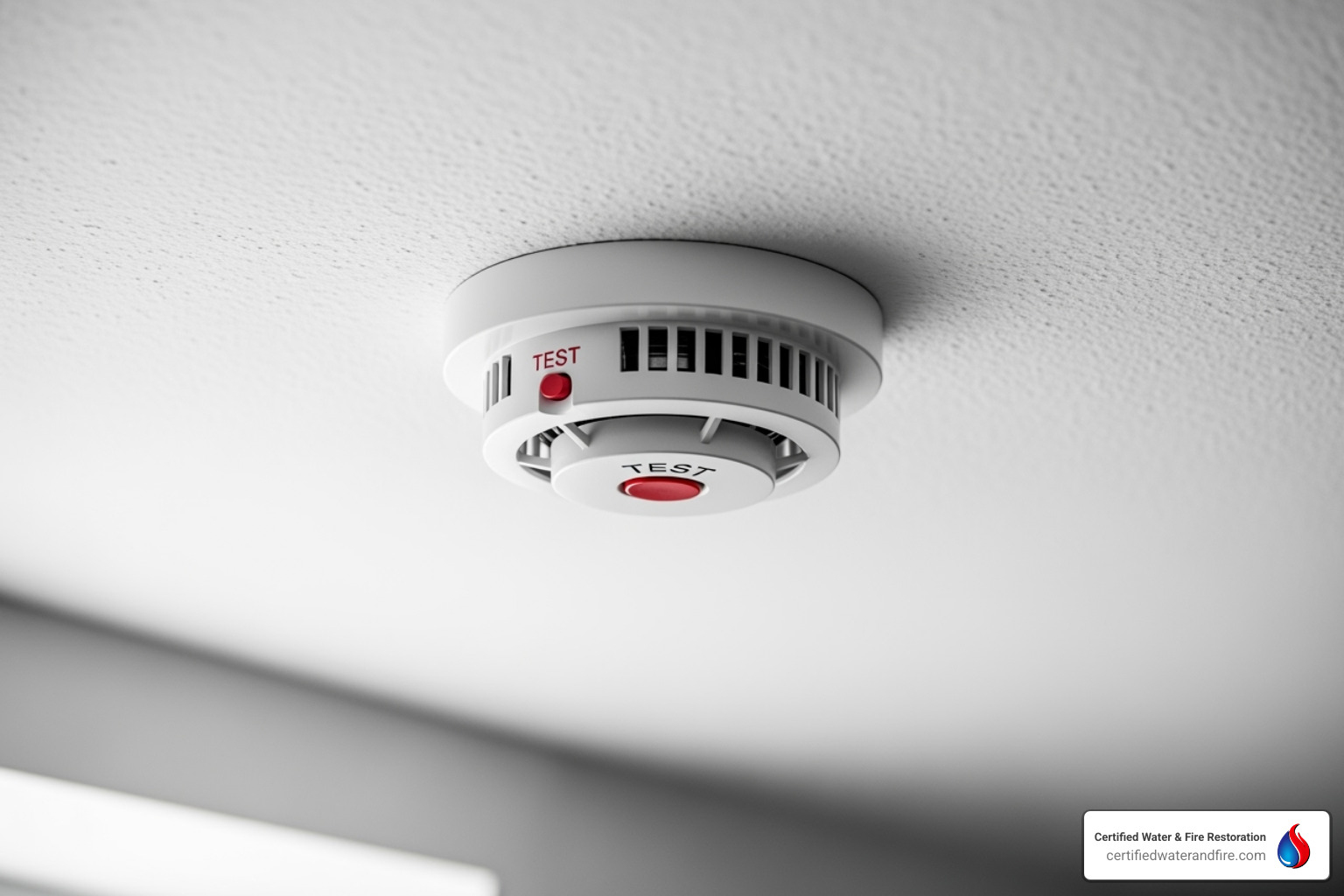
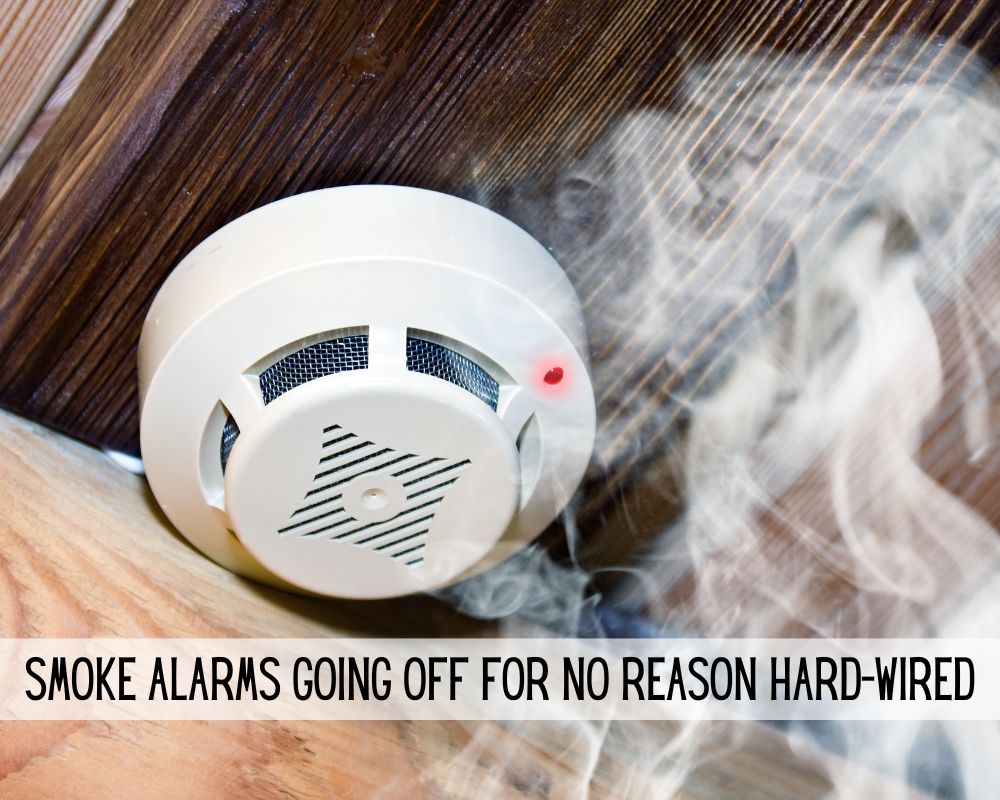
So, what are these phantom fire starters? Often, the culprits are quite mundane. Cooking fumes are probably the most notorious, especially from high-heat cooking like searing steaks or, yes, that slightly burnt piece of toast. The tiny particles released can trick the alarm's sensors. Similarly, steam from a hot shower, a humidifier, or even a steamy clothes dryer can set off an alarm, especially if it’s an ionization type which is very sensitive to invisible particles. Then there’s the silent enemy: dust and debris. Over time, these can build up inside the alarm's sensing chamber, creating an obstruction that looks like smoke to the device. And let's not forget the classic low battery chirp that can sometimes escalate into full-blown false alarms if ignored, a desperate plea for a fresh power source. Less commonly, but still possible, are electrical surges or simply an aging, faulty unit that needs replacing.
Must Read
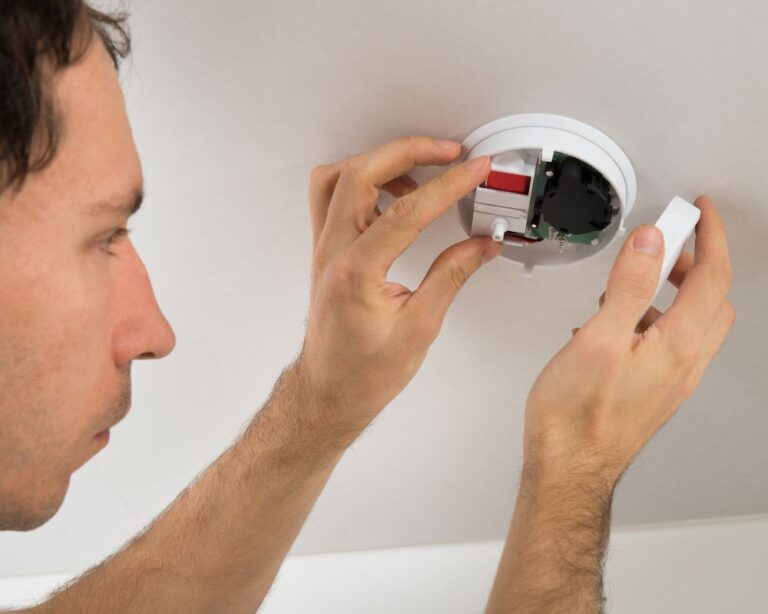
Getting started with better fire alarm management is easy. First, think about ventilation when cooking; use exhaust fans and open windows. If an alarm is consistently triggered by steam, consider moving it slightly further from the bathroom door, or opt for a photoelectric alarm in areas prone to steam, as they are generally less sensitive to water vapor. Regularly clean your alarms by gently vacuuming around their vents to remove dust. Test your alarms monthly and replace batteries annually, even if they haven't started chirping. Most importantly, remember that fire alarms have an expiration date – typically 10 years from the manufacture date. If yours is older, it's probably time for a replacement. A fresh alarm means fresh peace of mind.
While a shrieking fire alarm for "no reason" can be an irritating interruption, understanding these common triggers helps us appreciate their protective role even more. By recognizing the difference between a real threat and a harmless puff of steam, we can ensure our homes remain safe, our alarms stay vigilant, and our ears are spared unnecessary torment. It's all about being a little smarter about our safety!