
Why Does 70 Degrees Feel Cold Inside
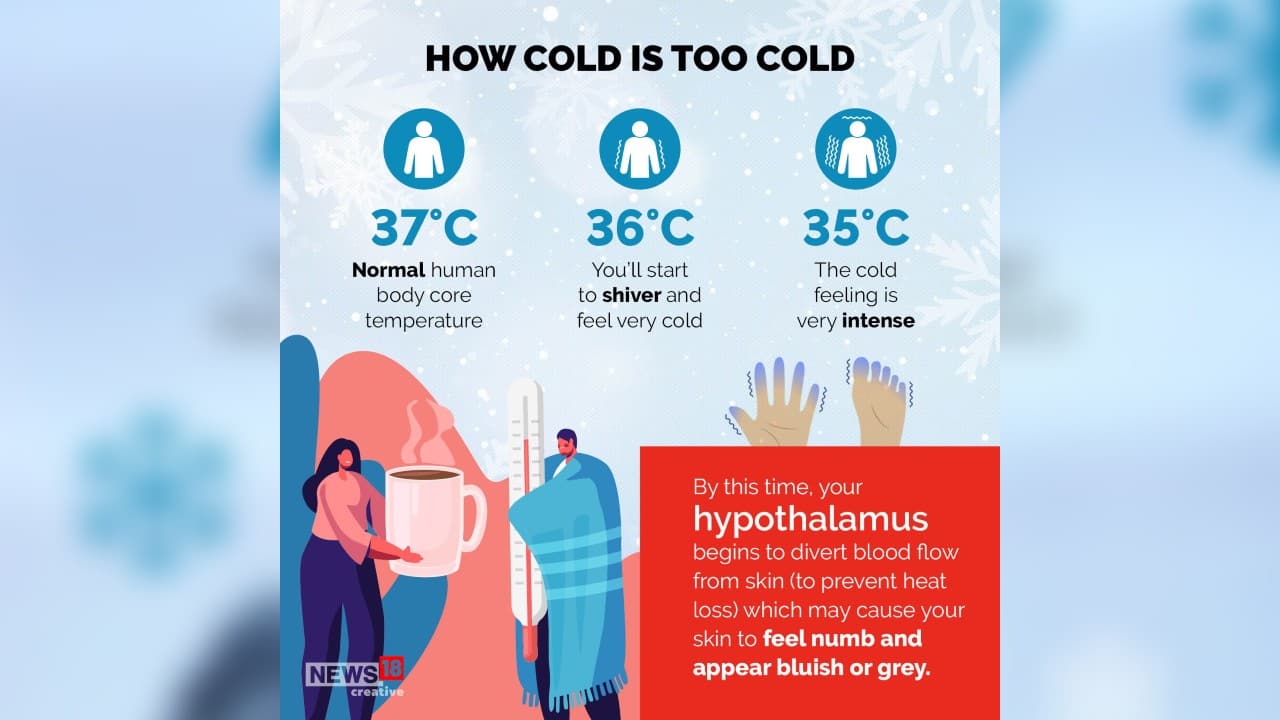
Alright, settle in, because we're about to tackle one of life's great mysteries, a puzzle that has plagued humanity since the invention of air conditioning and central heating: Why on earth does 70 degrees Fahrenheit feel like a warm hug outside, but an arctic expedition when you’re stuck inside?
Seriously, picture this: You step outside on a beautiful spring day. The sun is shining, a gentle breeze is blowing, and your weather app proudly proclaims, "It's 70 degrees!" You're thinking, "Perfect! Shorts weather, maybe a light jacket later." You feel comfortable, even a little toasty.
Then, you walk into your office, your home, or frankly, any indoor space, and the thermostat gleefully announces, "Still 70 degrees!" But suddenly, you're doing the involuntary shiver-dance. You're rubbing your arms, contemplating whether it's socially acceptable to wear a blanket to your desk. What gives? Is the universe playing a cruel joke?
Must Read
The Sneaky Science Behind the Shivers
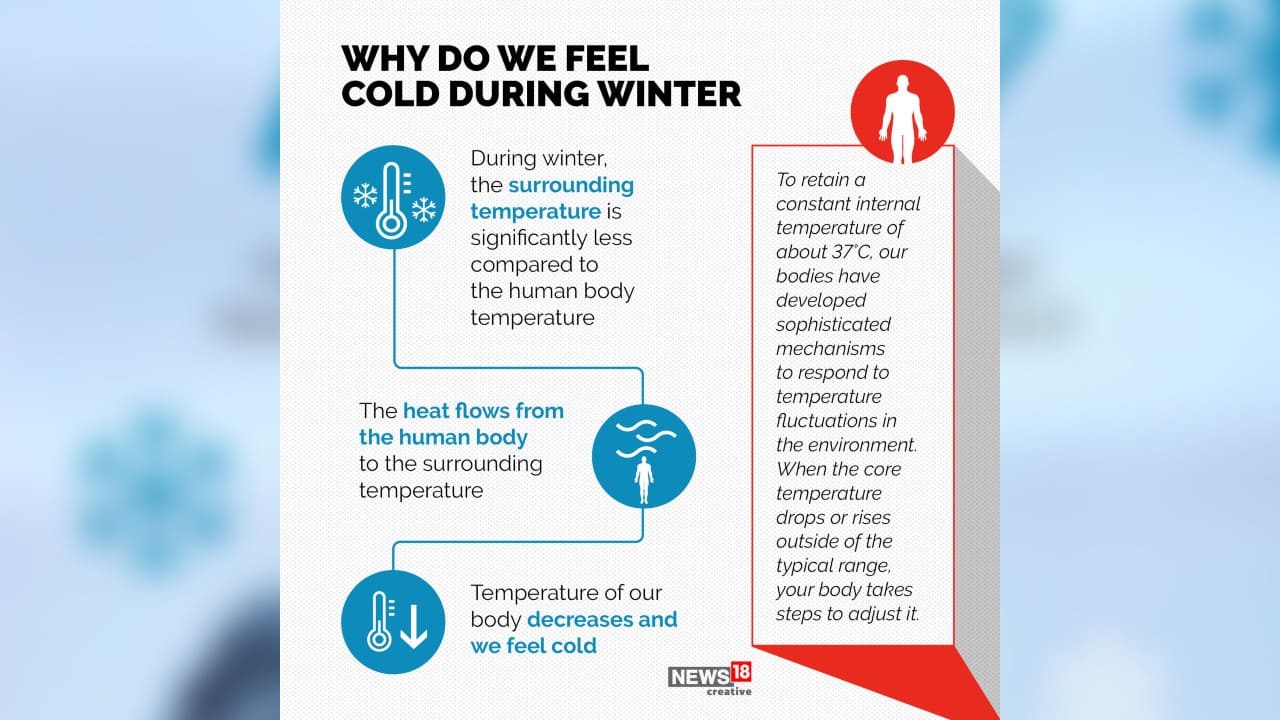
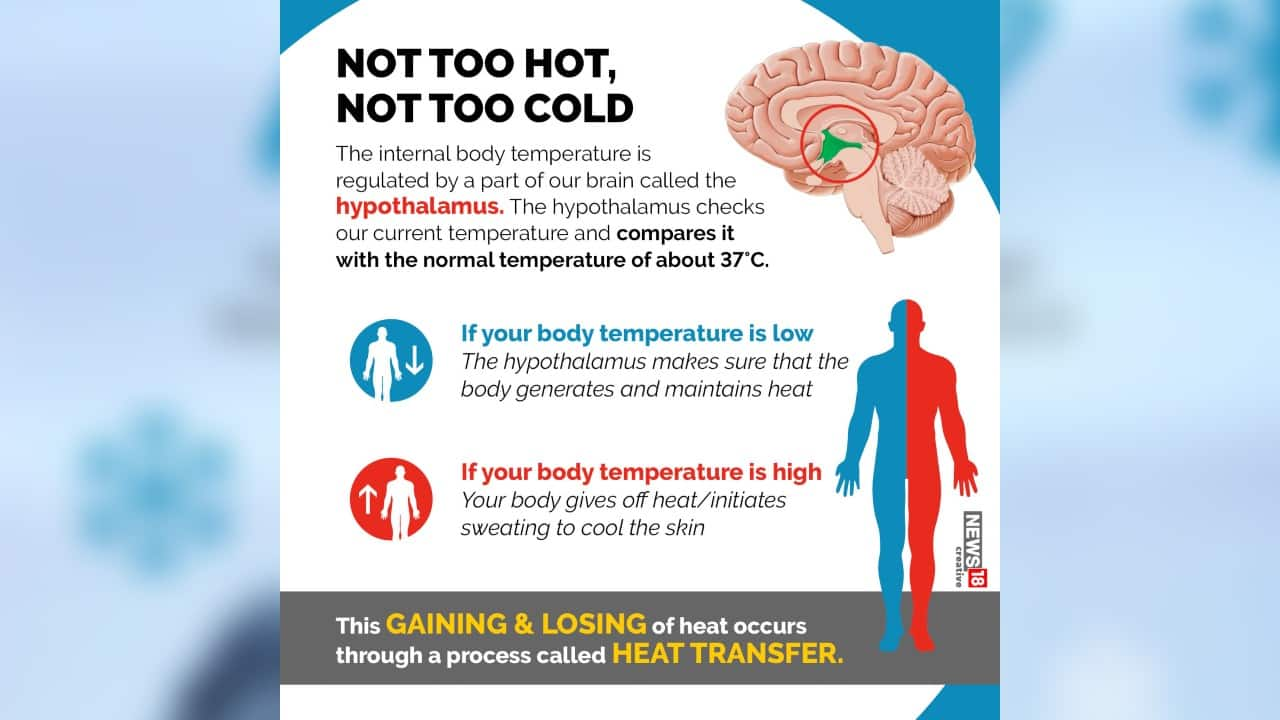
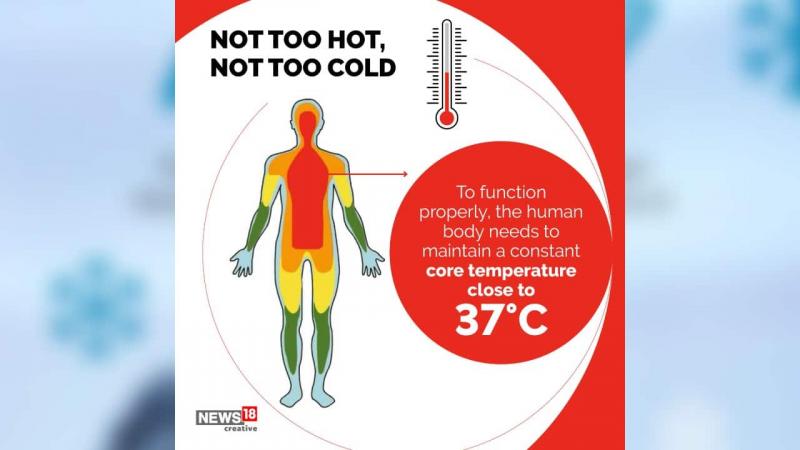
It turns out, your body isn't just checking a number; it's taking a whole bunch of other things into account. Think of it like a sophisticated, slightly dramatic internal weather station.
It's All About That Humidity (or Lack Thereof)
Outside, 70 degrees often comes with a dose of humidity. That moisture in the air traps heat and slows down the evaporation of sweat from your skin. It's like the air is giving you a gentle, warm hug, rather than just brushing past you. It makes everything feel a little more substantial, a little cozier.
Inside? Especially if you have the AC blasting, the air is usually dry as a bone. Air conditioners are fantastic at cooling, but they're also champion dehumidifiers. Dry air lets moisture evaporate off your skin much faster, which, you guessed it, makes you feel colder. It's like the air is subtly stealing your body heat without you even realizing it until your teeth start chattering.
The Sun's Secret Weapon: Radiant Heat
When you're outdoors, even on a cloudy day, you're benefiting from radiant heat from the sun. Think about how a car parked in the sun gets scorching hot, even if the air temperature isn't that high. Those infrared rays are hitting your skin and warming you directly, regardless of the air around you. It's like having a personal, invisible heater always pointed at you.
Inside, unless you're basking directly in a sunbeam (and let's be real, your desk is probably nowhere near that sweet spot), you're not getting any of that lovely radiant warmth. You're just surrounded by air, and that air might be 70 degrees, but it's not giving you that extra solar boost.
Airflow: The Invisible Arctic Breeze
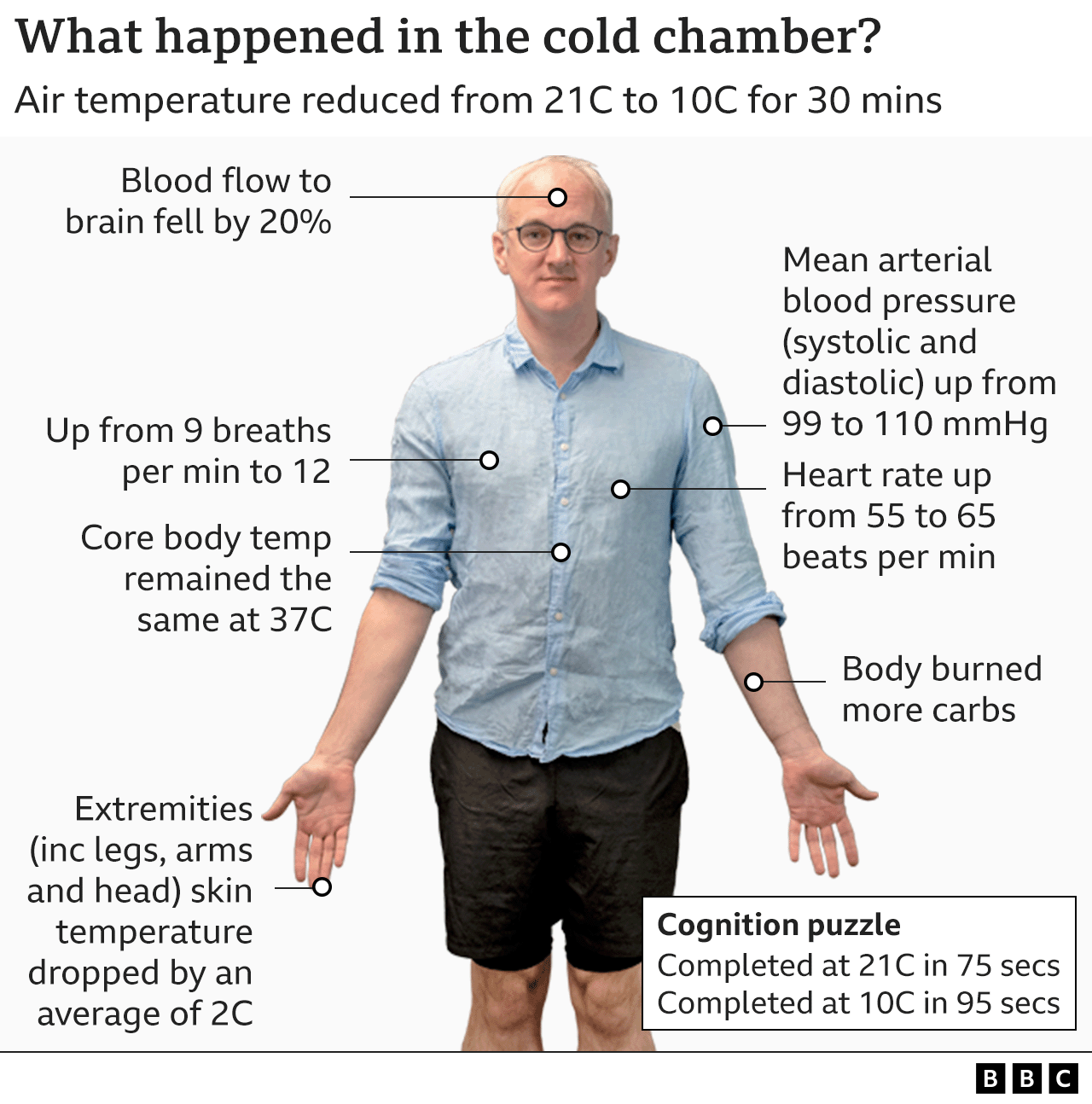
Outdoors, a breeze is often refreshing. It feels natural. Indoors, however, that persistent draft from the air vent above your head or near your ankles? That's not a breeze; that's a targeted attack. Constant airflow, even at 70 degrees, can create a chilling effect because it's constantly whisking away the thin layer of warm air your body produces around itself. It’s like being perpetually fanned by a tiny, relentless butler who thinks you’re overheating.
Your Brain Plays Tricks: Expectation vs. Reality
Believe it or not, your brain has a lot to say about how you perceive temperature. When you're outside at 70 degrees, you're likely seeing blue skies, green trees, and people in lighter clothing. All these visual cues scream "warm." Your brain is prepped for comfort.
Inside, especially in an office or a less visually stimulating environment, your brain doesn't have those same cues. Plus, if you've been working hard or just sitting still, your metabolism might be lower, producing less internal heat. Your internal thermostat recalibrates, and suddenly, that 70 degrees feels suspiciously frosty.
What Are You Wearing? (It Matters!)
Let's be honest, you probably dress differently for inside versus outside. On a 70-degree day, you might wear shorts and a t-shirt outdoors, embracing the sun. But inside, you're likely in a thinner shirt, maybe some dress pants, and sitting relatively still. That lack of layers, combined with less physical activity, means your body isn't generating or retaining as much heat. Your cute summer dress suddenly feels like a flimsy veil against the chill.
The Takeaway: It's Not You, It's the Environment
So, the next time you find yourself shivering indoors at a perfectly reasonable 70 degrees, don't question your sanity. You're not alone, and you're not imagining things. It's a delightful cocktail of humidity levels, radiant heat, air movement, and psychological factors all conspiring to make that number feel radically different.
The solution? Keep that emergency cardigan or blanket nearby. Embrace the mystery. And remember, the optimal "feels like" temperature is less about the mercury and more about the entire atmospheric vibe. So go ahead, snuggle up, you’ve earned it.