Why Do I Need A Carbon Monoxide Detector
Ever wonder about the silent guardians in your home? Not the furry kind, but the ones watching over invisible dangers? It might not be the most thrilling dinner conversation, but understanding something as simple as a carbon monoxide detector is actually incredibly fascinating – like learning the secret code to keep your home safe from a truly sneaky villain. This isn't just about safety; it's about uncovering a hidden hazard and empowering yourself with a simple, yet profoundly effective, solution.
So, what exactly is this invisible adversary, and why the special gadget? Carbon monoxide, or CO, is a gas produced when fuels like natural gas, propane, oil, or wood burn incompletely. Think of your furnace, water heater, gas stove, or fireplace. If these aren't venting properly, CO builds up. The really tricky part? You can't see it, smell it, or taste it. It's a master of disguise. Inhaled, CO replaces oxygen in your blood, essentially suffocating your body's tissues. Early symptoms often mimic the flu – headache, nausea, dizziness – making it incredibly difficult to identify. The ultimate benefit? A CO detector is your early warning system, giving you precious time to evacuate and seek help, preventing serious health issues or even tragedy.
In daily life, these detectors are essential silent sentinels. Place them on every level of your home, especially near sleeping areas and close to fuel-burning appliances. They're not just for houses; RVs, cabins, and boats with enclosed living spaces also benefit immensely. For the curious, understanding CO detectors offers a mini-lesson in chemistry and safety. You could explore how combustion creates various byproducts, or learn about the engineering behind the sensor that "sniffs out" the gas. It's a practical application of science that directly impacts well-being, making it a powerful educational tool for teaching home safety.
Must Read
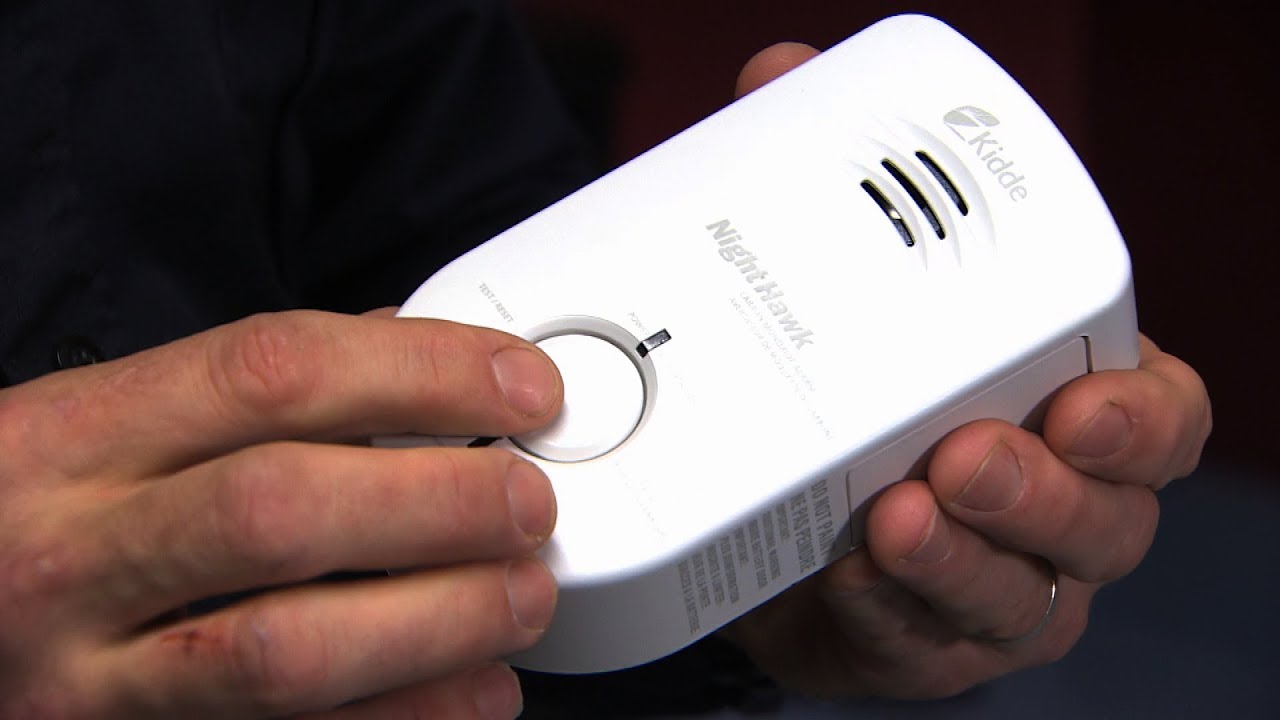
Ready to ensure your home is prepared? Here are a few simple tips. First, check your detectors' expiration dates – they typically expire after 5-7 years! Second, press the "test" button monthly to ensure the alarm sounds. Third, consider a combination smoke and CO detector for double protection. For placement, CO mixes with air, so chest height or ceiling placement is generally good. If your alarm ever sounds, the most crucial step is to get everyone outside immediately and then call emergency services. Don't re-enter until professionals deem it safe. Finally, explore how your home appliances are vented and ensure they're regularly serviced. It’s all about being a little curious, a little prepared, and empowering yourself with knowledge to keep loved ones safe.