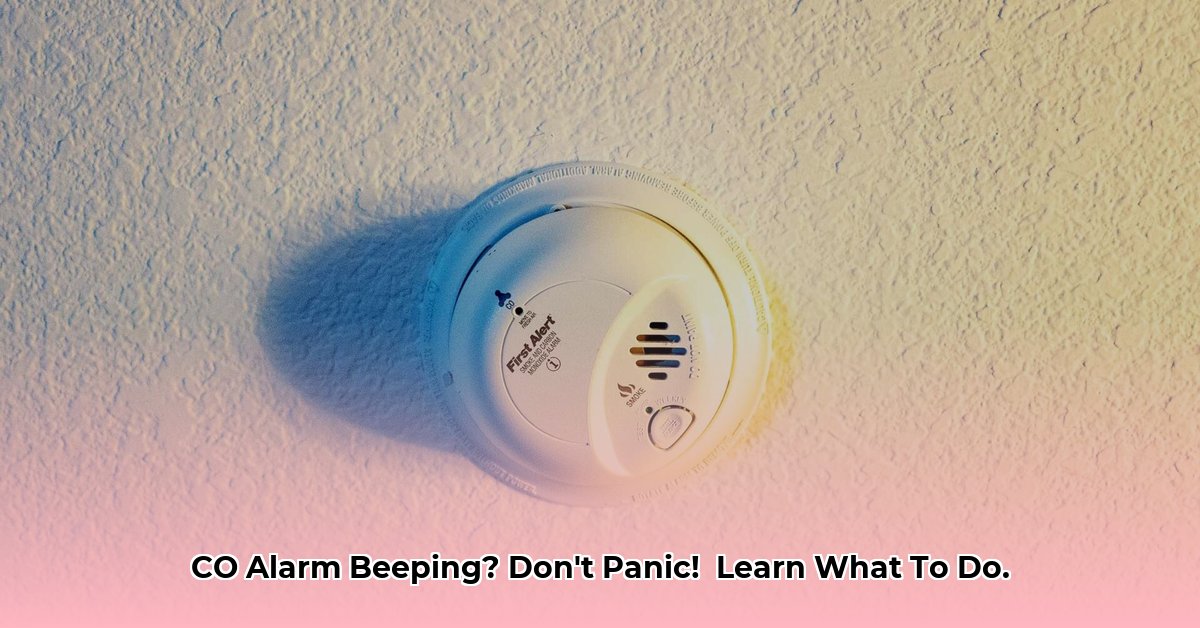
Why Do Carbon Monoxide Detectors Go Off

Ever had your smoke detector decide it’s auditioning for a horror film, screaming bloody murder because you dared to toast your bread a little too long? We’ve all been there. Those dramatic little gadgets are notorious for their enthusiasm for burnt popcorn. But then there’s its quieter, more mysterious cousin: the carbon monoxide detector. It doesn't usually shriek for a slightly overdone cookie. When that one goes off, it's less "false alarm, you clumsy baker!" and more "Houston, we might have a problem."
Unlike smoke detectors, which are the equivalent of a loud, gossipy neighbor, CO detectors are the silent, watchful types. They don't react to smoke, fire, or your questionable cooking skills. They're specifically designed to sniff out something truly sinister:
So, Why Does This Stealthy Guardian Suddenly Yell?
Let's dive into the common culprits, often with a dash of "oops" and "my bad."
Must Read
The "My Oven Tried to Cremate Dinner" Scenario
Remember that time you put a pizza in the oven and then got really into that Netflix show? Or maybe you were just trying to bake something, and the oven decided to turn it into a charcoal briquette. While your smoke detector is likely having a full-blown meltdown, your CO detector might also chime in. This usually happens when something is burning very intensely or incompletely inside your oven or stove, leading to an emission of CO. It's less about the smoke and more about the
The "Just Warming Up the Car" Moment
Picture this: It's a chilly morning, you hop in your car in the garage to let it warm up for "just a minute" while you grab your coffee. The garage door might even be open a crack. But even a small amount of exhaust can quickly fill an enclosed space. Car exhaust is a prime producer of carbon monoxide. Your detector isn't judging your need for a warm steering wheel, but it is warning you that those fumes are a no-go zone for your lungs.

The "Winter Power Outage Blues" (and Generators)
Ah, the joys of a winter storm knocking out power. Out comes the generator! A true lifesaver, right? Absolutely, but only if used correctly. Many CO alarms go off during power outages because people bring generators inside their homes or garages, or place them too close to windows and vents. Generators produce a LOT of CO. Your detector is acting like a super-strict bouncer, keeping those dangerous fumes out of your party (your house). Always, always run generators
The "Grumpy Old Appliance" Syndrome
Your furnace, water heater, and gas dryer work tirelessly, but they're not immortal. Over time, these gas-fired appliances can develop issues like

The "Cozy Fireplace, But..." Scenario
There's nothing quite like a crackling fire, is there? Unless that crackle is accompanied by a silent, invisible gas trying to sneak into your living room. A blocked chimney flue (thanks, bird nests or creosote buildup!) or a downdraft can push CO back into your home. Your detector is there to tell you your fireplace is trying to hotbox your living room. Make sure your
The "Low-Level Hum"
Sometimes, your CO detector might chirp or go off at a lower level, indicating a small but persistent presence of CO. It's not a full-blown emergency, but it's a warning. Think of it like a faint alarm from your smoke detector for a slightly smoky pan – it's telling you there’s an issue, even if it’s not immediately life-threatening. This could be due to a minor appliance malfunction or an external source wafting in. It's a gentle nudge to investigate before it escalates.

So, When it Yells, What Do You Do?
First,
In the grand scheme of household gadgets, the carbon monoxide detector is truly an unsung hero. It might not get the same attention as your smart thermostat or that fancy coffee maker, but it's quietly performing a vital, life-saving job. So, the next time it goes off, resist the urge to just pull the batteries. Instead, give a little nod of appreciation to your silent guardian – it just might have saved your day, or even your life, from the ninja of gases.