
Why Do Car Seats Have An Expiry Date
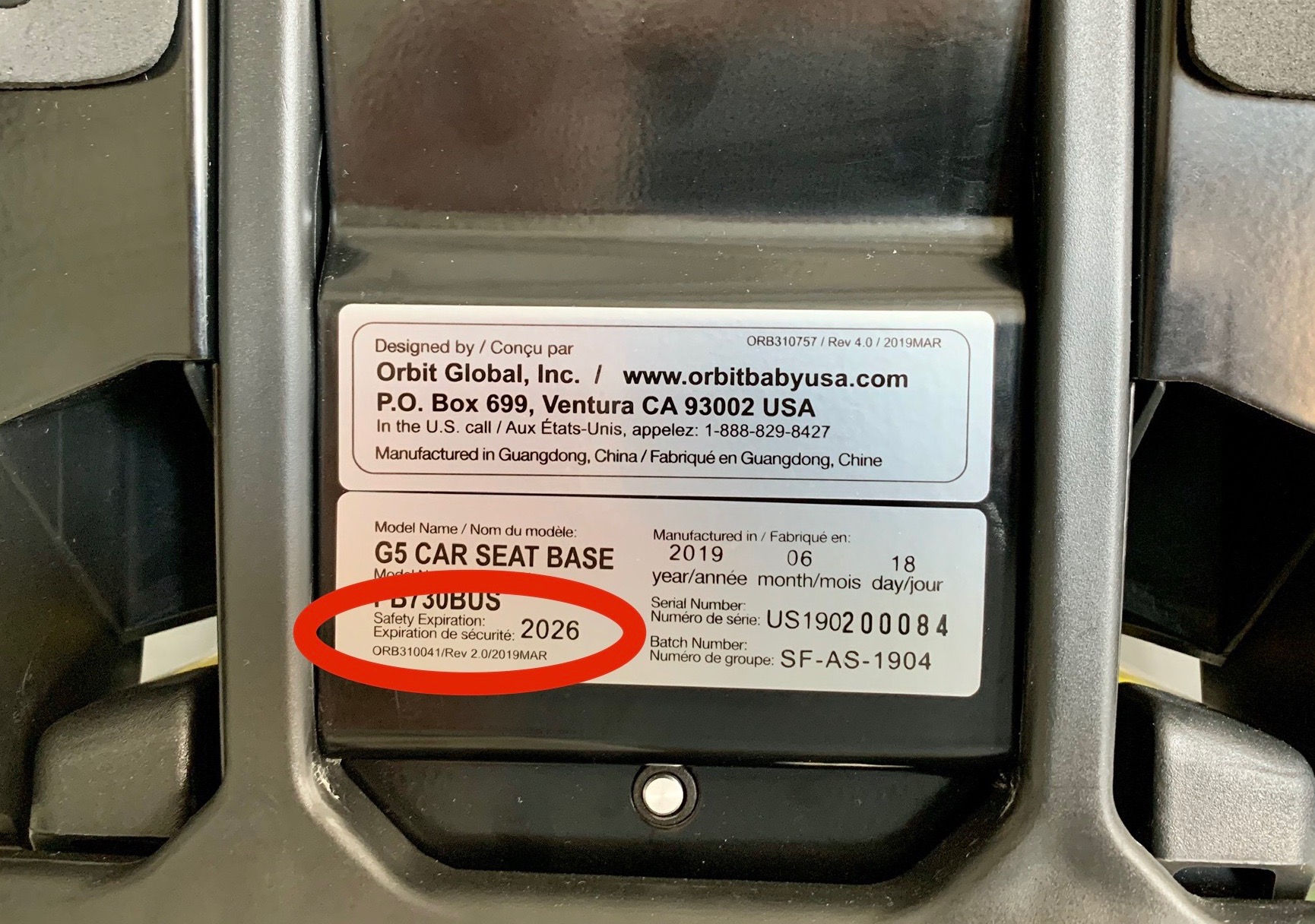
Ever found yourself rummaging through the garage, pulling out a trusty hand-me-down item, only to discover it has a secret? Not a forgotten twenty-dollar bill, but something far more intriguing. We’re talking about your child’s car seat, that silent guardian of countless road trips and grocery runs.
You might love that old car seat. It’s seen your oldest through teething, your middle child through potty training, and maybe even started service with your youngest. It’s a familiar friend, a veteran of sticky fingers and spilled snacks.
Then, one day, you notice it. Tucked away on a label, a quiet little date. Not the manufacturing date, but an expiry date. A car seat? Like a carton of milk or a loaf of bread? The revelation often comes with a furrowed brow and a moment of genuine head-scratching.
Must Read
It sounds a bit wild, doesn't it? A sturdy piece of safety equipment, designed to withstand impacts, also has a ticking clock. But dive a little deeper, and you’ll find that this expiry date is actually a tiny, yet mighty, testament to how much we cherish our little passengers.
Think of it like this: your favorite pair of sneakers might still look okay after years of adventures. But the bouncy cushioning, the supportive arch, the grippy sole? They’re just not what they used to be. Car seats face a similar, unseen battle against time.
The Invisible Enemy: Time and Elements
Our car seats are made from a symphony of materials: tough plastics, supportive foams, durable fabrics, and sturdy metal components. Each element plays a crucial role in keeping our little ones safe. But these materials, robust as they are, aren't immune to the relentless march of time.
Imagine your car parked outside on a scorching summer day. The interior can hit oven-like temperatures. Then comes winter, plunging the car into freezing conditions. This constant seesaw of extreme temperatures puts a real strain on the plastics and other materials.
Over years, these temperature fluctuations cause the plastic to expand and contract repeatedly. This can lead to tiny, almost invisible cracks or a weakening of the plastic's structural integrity. It's like bending a paperclip back and forth; eventually, it weakens and snaps.
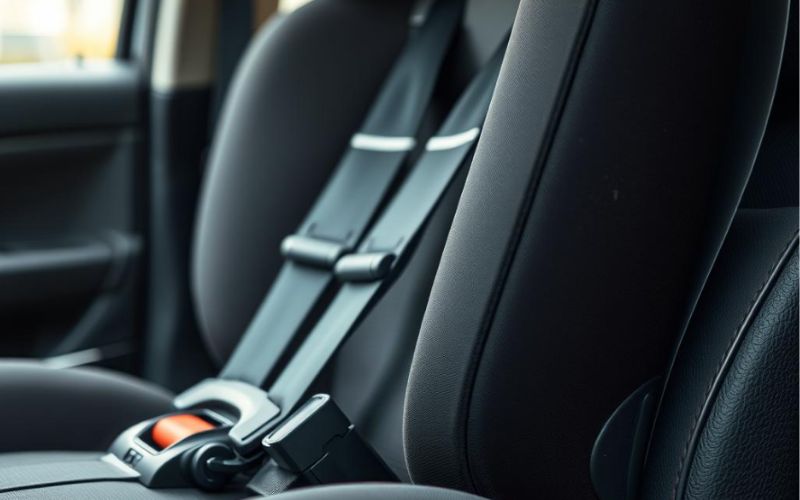
The plastic in car seats is a bit like that – it works hard, protecting your little one from bumps and wiggles, but time and weather take their toll.
Then there's the sun. Even through tinted windows, ultraviolet (UV) rays are constantly at work, fading fabrics and degrading plastics. UV exposure makes plastics brittle over time, reducing their ability to absorb impact effectively during a sudden stop or collision.
The foam cushioning, essential for comfort and energy absorption, also degrades. It can compress, lose its resilience, and break down, especially after years of squirming toddlers and countless naps. The fabric covers, too, endure a lot, from spills to constant rubbing.
The March of Progress: Evolving Safety Standards
The world of child safety isn't static; it's constantly evolving. Every few years, engineers and safety experts learn more about what truly protects children in crashes. This new knowledge leads to updated safety standards and improved designs.
Think of it like comparing a flip phone to today's smartphone. Both make calls, sure, but one has GPS, a camera, and can order you pizza. Car seat safety evolves similarly. What was cutting-edge a decade ago might have been improved upon with new research and clever engineering.

Manufacturers are always innovating, introducing stronger materials, better impact absorption technologies, and easier-to-use features. An older car seat, while perfectly safe for its time, simply won't incorporate these newer advancements.
New designs mean a stronger, safer ride for our precious cargo. It’s about ensuring our children benefit from the very best protection available today.
For example, side-impact protection wasn't always a primary focus, but research showed its importance. Newer seats often have enhanced side wings and energy-absorbing materials specifically for side collisions. These improvements mean a stronger, safer ride.
The expiry date gently nudges us to consider these advancements. It's not about forcing new purchases, but about ensuring our children benefit from the very best protection available today, not just what was available when the seat was made.
Life's Little Touches: Wear, Tear, and Mystery Goo
Let's be honest, car seats aren't just for riding. They're snack zones, nap stations, and sometimes, even impromptu art studios. All those spilled juice boxes, forgotten cracker crumbs, and general "kid chaos" contribute to its wear and tear.

The buckles and straps, critical components, are subject to constant use. They're clicked and unclicked hundreds, if not thousands, of times. Straps get pulled tight, loosened, adjusted. This repetitive motion can fray webbing and wear down buckle mechanisms.
And then there's the mystery goo. Every parent knows it. The sticky residue from a dropped lollipop, the crusty remains of a forgotten goldfish cracker, the unidentifiable stain that seems to defy explanation. While sometimes superficial, these substances can sometimes seep into cracks and crevices, affecting mechanisms.
A car seat witnesses countless memories, but also countless spills and sticky situations!
Cleaning helps, of course, but often requires removing covers and straps. This process, while necessary, can also put strain on the seat's components, especially if done incorrectly or frequently. All these tiny everyday events add up over time.
A car seat witnesses countless memories, from joyous singalongs to sleepy sighs. But it also witnesses countless spills and sticky situations! The expiry date accounts for this cumulative wear and tear that simply comes with being an active part of a child's life.
The Heartwarming Truth: It's All About Love
Ultimately, the car seat expiry date isn't some arbitrary rule designed to annoy parents. It’s a beautifully practical reflection of our deepest desire: to keep our children safe. It's a testament to the love and care that goes into every single car ride.
This date is a gentle reminder that even the most robust safety equipment has a lifespan. It encourages us to periodically assess if our child is truly getting the optimal protection they deserve. It's not about being wasteful; it's about being vigilant.
When you discover an expired car seat, it’s not a moment for panic, but perhaps a moment of appreciation. This seat has done its job. It has kept your little one secure, snug, and protected through countless miles and memories. It’s earned its retirement.
A car seat isn't just a piece of plastic and fabric; it's a silent guardian. It’s a testament to the endless love we have for our children.
Instead of passing it on, celebrate its service! Many communities have recycling programs for expired car seats, ensuring that its materials can be repurposed. It’s a dignified send-off for a piece of equipment that played such an important role.
So, the next time you buckle in your little one, take a moment. Check that expiry date. And remember, that date isn't just about plastic and foam; it's about safety standards, wear and tear, and ultimately, the unwavering love we have for our tiny passengers. It's a surprising, yet heartwarming, reminder that their safety truly knows no bounds.