
Why Did My Fire Alarm Go Off For No Reason

Ah, the sweet sound of silence. Or perhaps the gentle hum of your air conditioner. Suddenly, it’s shattered!
A piercing, ear-splitting shriek echoes through your home. Your fire alarm has decided to make its grand entrance!
You leap out of bed, heart pounding like a drum. Is there a fire? Is the house burning down?
Must Read
You rush around, sniffing the air. But there's nothing. No smoke, no flames, just that incessant, alarming noise.
It’s the classic "false alarm." The fire alarm went off, seemingly for no reason at all.
This baffling mystery is surprisingly common. In fact, it's a bit of a universal shared experience.
It's like a tiny domestic drama playing out in homes everywhere. And honestly, it’s quite entertaining in hindsight.
Why does this happen? What possesses these vigilant guardians to suddenly scream for attention?
Let's peel back the layers of this everyday enigma. You might be surprised by the culprits!
The Silent Culprits: Tiny Things Making Big Noise
Often, the culprit isn't a blazing inferno. It’s something far more mundane, almost comically so.
One of the top offenders? Believe it or not, it’s just plain old dust.
Yes, those microscopic particles floating invisibly around your home can be huge troublemakers.
Your fire alarm, especially the photoelectric kind, is designed to spot smoke.
It has a little chamber inside with a light beam. If smoke blocks that beam, it sounds the alarm.
But sometimes, a sneaky build-up of dust can fool it. It’s like a tiny, dusty ghost passing through.
Imagine a thick cloud of dust settling right where it shouldn't. The alarm thinks it's smoke!
It's a case of mistaken identity, pure and simple. And it leads to a very loud misunderstanding.
Cleaning your detectors regularly can often prevent these dusty tantrums. A quick wipe, and peace returns.
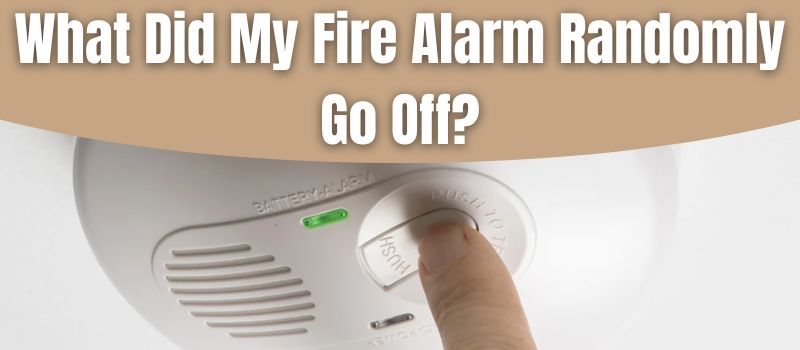
It's amazing how something so small can cause such a dramatic scene, isn't it?
The Steamy Shower Surprise
Another common "non-reason" for a blaring alarm is steam. Ah, the relaxing hot shower!
You step out feeling refreshed, wrapped in a fluffy towel. Then — BEEP! BEEP! BEEP!
Your fire alarm, positioned perhaps a little too close to the bathroom, has gone wild.
The dense vapor from your shower rises, thick and warm. It might look a little like smoke to a sensitive detector.
Especially if your bathroom lacks good ventilation, the steam can really build up.
The alarm's sensors, ever vigilant, pick up on these particles. They don't differentiate between smoke and steam.
"It's just something in the air!" they scream. And then, you're left flailing for the "off" button.
This scenario is often met with a groan and a chuckle. It's the ultimate bathroom buzzkill.
Perhaps relocating the alarm slightly, or always using the exhaust fan, could save you from this watery drama.
Who knew a soothing shower could lead to such high-decibel chaos?
The Culinary Catastrophe (Without the Catastrophe)
Then there's the kitchen. This is a hot spot for false alarms, pun intended!
You’re just making breakfast, perhaps a perfectly golden piece of toast. Suddenly, it goes a little... darker.
The lightest whiff of burnt toast is enough to set off the most vigilant alarm. It’s hilariously overprotective.
Or what about popcorn? That delicious, buttery snack can often create a misty haze.
This fine mist, a byproduct of the cooking process, can easily trick your smoke detector.
Searing a steak? Frying some bacon? The tiny fat particles and intense heat can mimic smoke surprisingly well.
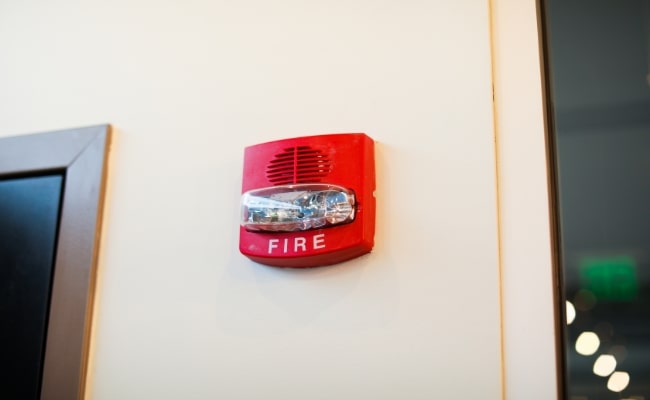
It’s not actual dangerous smoke, but the alarm doesn't know that. It just senses something "off."
You didn't burn dinner, but your alarm thinks you did! It's an inconvenient judge of your culinary skills.
Opening windows or using your range hood are great ways to avoid these mealtime melodies.
It’s a funny reminder that our alarms are sometimes too good at their job!
The Quirks of Our Mechanical Guardians
Sometimes, the reasons are a bit more... technical. But still fascinatingly mundane.
Have you ever heard that annoying, intermittent chirp? The dreaded low battery warning?
Sometimes, before it gets to the chirp, a dying battery can send erratic signals. This might trigger a full alarm.
It's like the alarm is having a last, dramatic hurrah before it needs a fresh power source.
Changing those batteries regularly is not just good practice; it saves you from these power-related panic attacks.
Another common cause is simply age. Fire alarms don't last forever, sadly.
Most have a lifespan of about 10 years. After that, their sensors can become less reliable.
They might become overly sensitive, or simply start malfunctioning. It's like an old car sputtering.
An aging alarm might go off "for no reason" because its internal components are just tired.
This is why checking the manufacturing date on your alarms is a good idea. They deserve retirement too!
Uninvited Guests and Other Surprises
And then, there are the truly unexpected visitors. Tiny creatures who just love dark, quiet places.
Yes, we’re talking about spiders and other small insects!
A spider might decide to build its web right inside the smoke detector's sensing chamber.
That web, or the spider itself, can block the light beam, tricking the alarm into thinking it's smoke.
Imagine your alarm screaming because a tiny arachnid is having a house party inside it!
It’s a bizarre and slightly creepy reason, but it happens more often than you'd think.
Another surprising culprit can be chemical vapors. Ever done a lot of cleaning?
Aerosol sprays, paint fumes, or even strong cleaning products can create particles in the air.
These particles, while not smoke, can be dense enough to activate certain types of detectors.
So, your sparkling clean house might just come with a temporary, very loud soundtrack.
The Mystery of Placement and Environment
Where your alarm is placed matters a lot. Sometimes, it’s just in the "wrong place at the wrong time."
Putting an alarm too close to a heating vent or an air conditioner can cause issues.
Sudden blasts of air, or rapid temperature changes, can sometimes trigger sensors.
Even direct sunlight or bright artificial light could, in rare cases, interfere with older models.
Consider the environment around your alarms. Is anything causing weird drafts or temperature shifts?
Understanding these little quirks helps you become a true fire alarm whisperer.
You start to anticipate its moods, its dramatic tendencies. It’s less scary and more like managing a temperamental gadget.
The Aftermath: Relief, Annoyance, and a Little Curiosity
Once the alarm is silenced, a wave of relief washes over you. No fire! Phew!
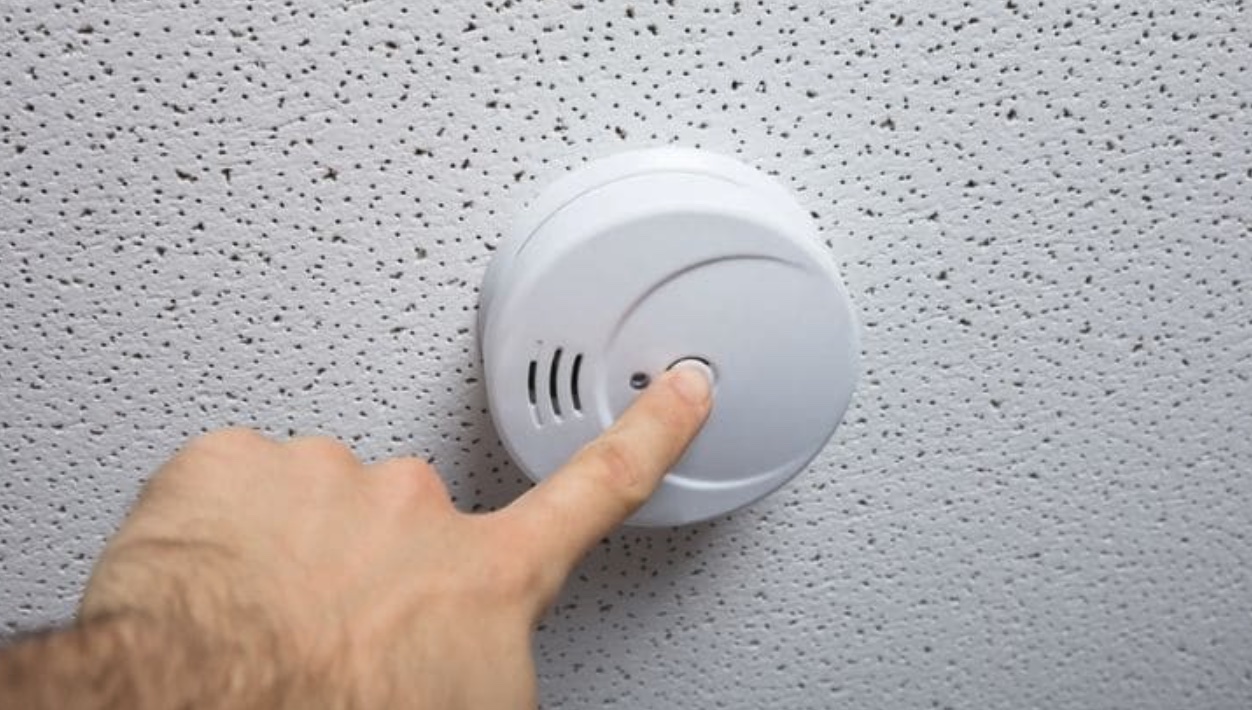
Then comes the annoyance. The ringing ears, the scramble to find a chair to stand on, the fumbling with the reset button.
But after that, there’s a flicker of curiosity. Why did it really happen?
This curiosity is a good thing! It makes you think about your home's safety system in a new light.
It transforms the alarming experience into a detective game. What tiny, invisible thing was the culprit this time?
Knowing these common "false alarm" reasons doesn't make you complacent. It makes you smarter.
It helps you quickly rule out a real emergency and focus on the mundane cause.
It’s like learning the secret language of your home appliances. They're trying to tell you something!
So, the next time your fire alarm screams for no apparent reason, don't just panic.
Take a breath. Look around. Is it dust? Steam? A piece of toast gone rogue?
It’s an entertaining peek into the secret life of your home's most dramatic guardian.
And perhaps, with a little understanding, you'll find that these "false alarms" aren't so mysterious after all.
They're just quirky reminders of the tiny, often humorous, world happening all around us.
So, go ahead, check your detectors, dust them off, and maybe even replace an old one.
You might just prevent the next big theatrical performance in your living room.
And when it does happen again, you'll be ready, perhaps even with a knowing chuckle.
Because now, you're in on the secret. You know why your fire alarm loves to scream for nothing.