Why Did Kisaki Cry When He Shot Takemichi

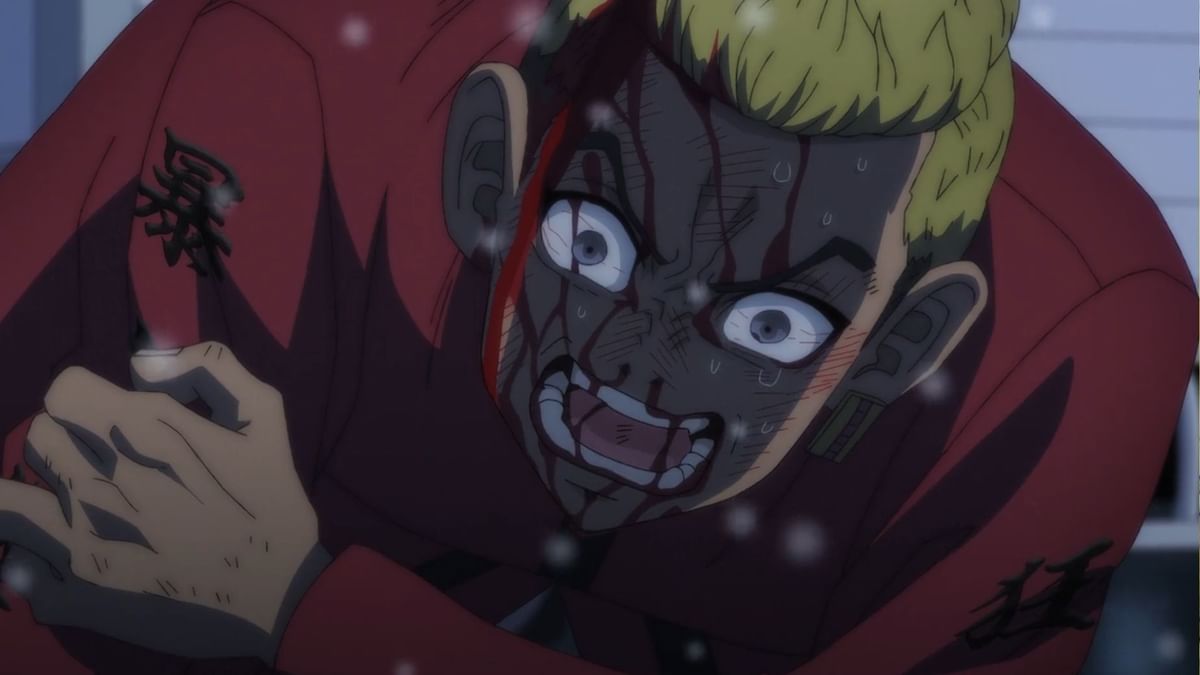
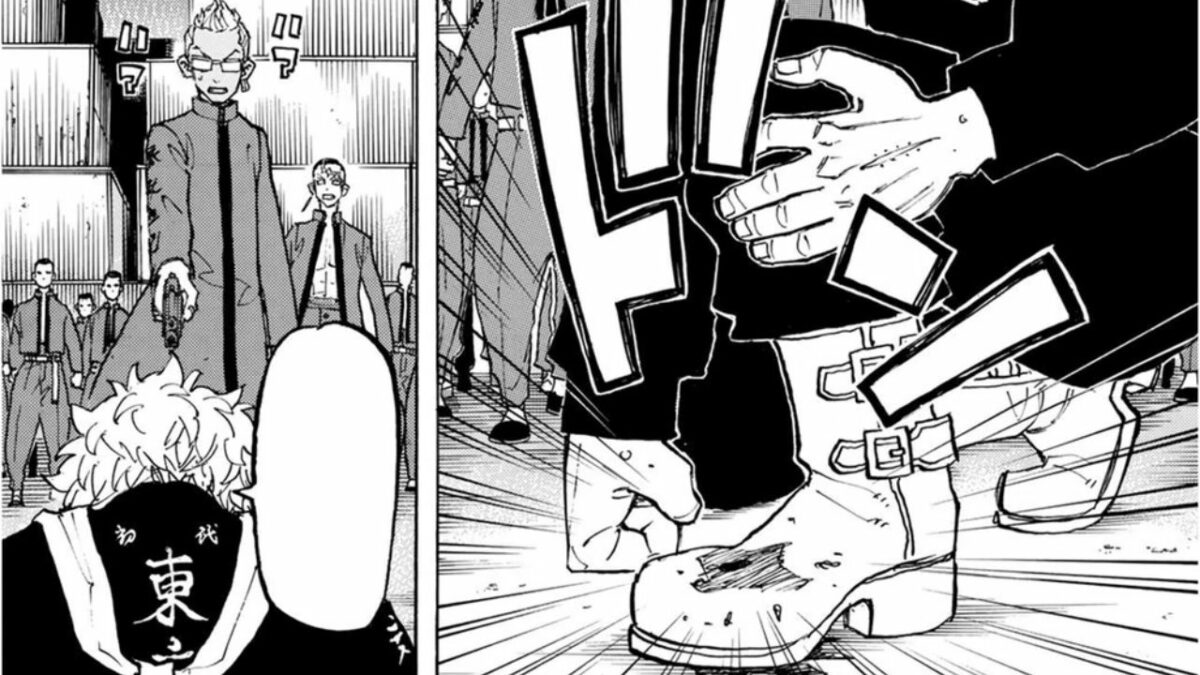
Okay, let's talk about something that probably had you clutching your pearls (or maybe just scratching your head): Kisaki's tears in Tokyo Revengers. Specifically, that moment when he shoots Takemichi. It's a scene that's stuck with a lot of viewers, and for good reason. It's not just a villainous act; it's a complex, emotional moment. Figuring out why he cried unlocks a deeper understanding of Kisaki's character and the whole twisted web of the story.
Why bother dissecting a fictional character's tears? Well, understanding character motivations, especially in complex stories like this, helps us engage with the narrative on a richer level. It's not just about watching cool fights; it's about understanding the 'why' behind the actions. It’s the difference between passively watching a story unfold and actively participating in deciphering its meaning. Plus, let's be honest, it's just plain interesting!
Ultimately, unpacking Kisaki's tears boils down to understanding his warped worldview. He's not just evil for evil's sake. His actions, however twisted, are driven by a deeply rooted sense of inferiority and an insatiable desire for power and recognition, all stemming from his unrequited love for Hina. Shooting Takemichi, the supposed obstacle to his ambitions, is a culmination of years of planning and manipulation. The tears suggest a mix of emotions: relief that his plan is (seemingly) succeeding, guilt (however minuscule) about the immense cost of his actions, and perhaps even a flicker of self-pity. He's sacrificed everything, including his own humanity, for this moment, and the weight of that sacrifice is finally hitting him.
Must Read
Think about it this way: Kisaki's actions are a perfect example of a character study. In educational settings, analyzing moments like this can be incredibly valuable in understanding narrative structure, character development, and thematic exploration. In literature classes, for example, students can debate the different interpretations of Kisaki's tears, supporting their arguments with textual evidence from the manga/anime. In psychology classes, his motivations can be used to illustrate concepts like ambition, obsession, and the impact of childhood trauma. In daily life, it can help us to better understand the motivations behind people's actions, even if we don't agree with them.
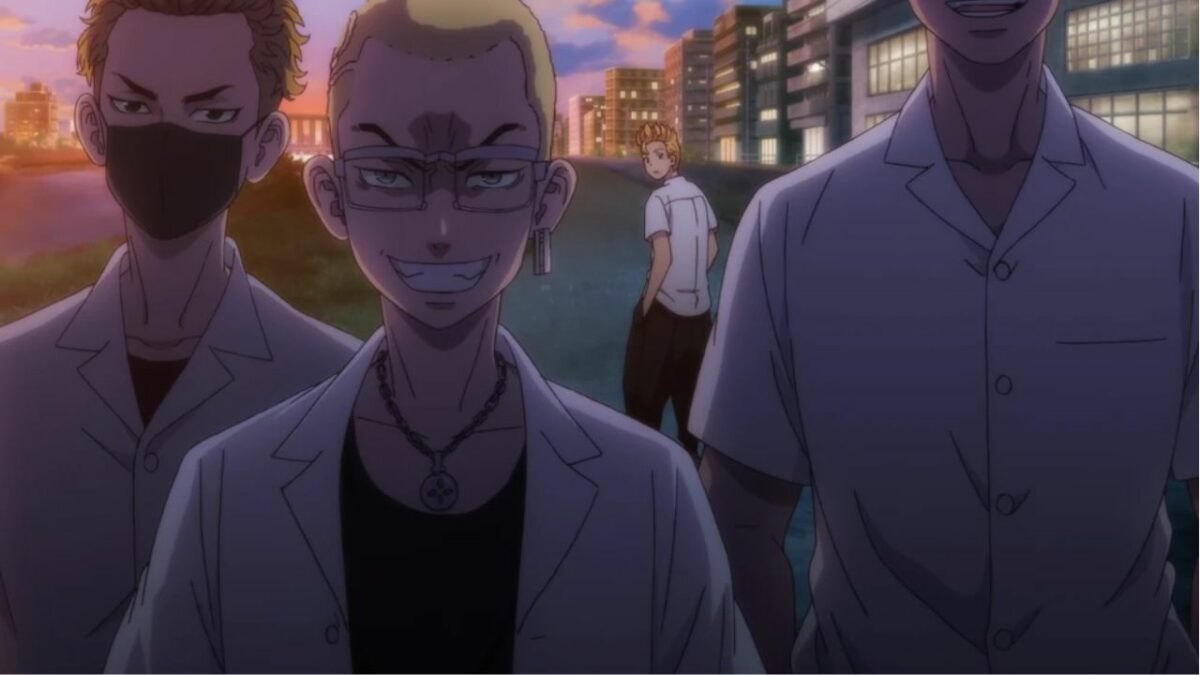
So, how can you explore this further? Start by rewatching the scene itself. Pay close attention to Kisaki's facial expressions and body language beyond just the tears. Read fan theories and analyses online (but be warned, spoilers abound!). More importantly, consider Kisaki's backstory and his relationships with other characters, especially Hina and Takemichi. Ask yourself: What does he truly want? What is he willing to do to get it? And what are the consequences of his choices?
Ultimately, Kisaki's tears aren't just a random detail. They're a window into the soul of a deeply flawed character. By exploring them, we gain a richer understanding of the story and its themes, and perhaps even a little bit about ourselves. Don't just dismiss him as a one-dimensional villain; dive deeper and you'll find a fascinatingly complex individual wrestling with his own demons, even at his most monstrous moments.